


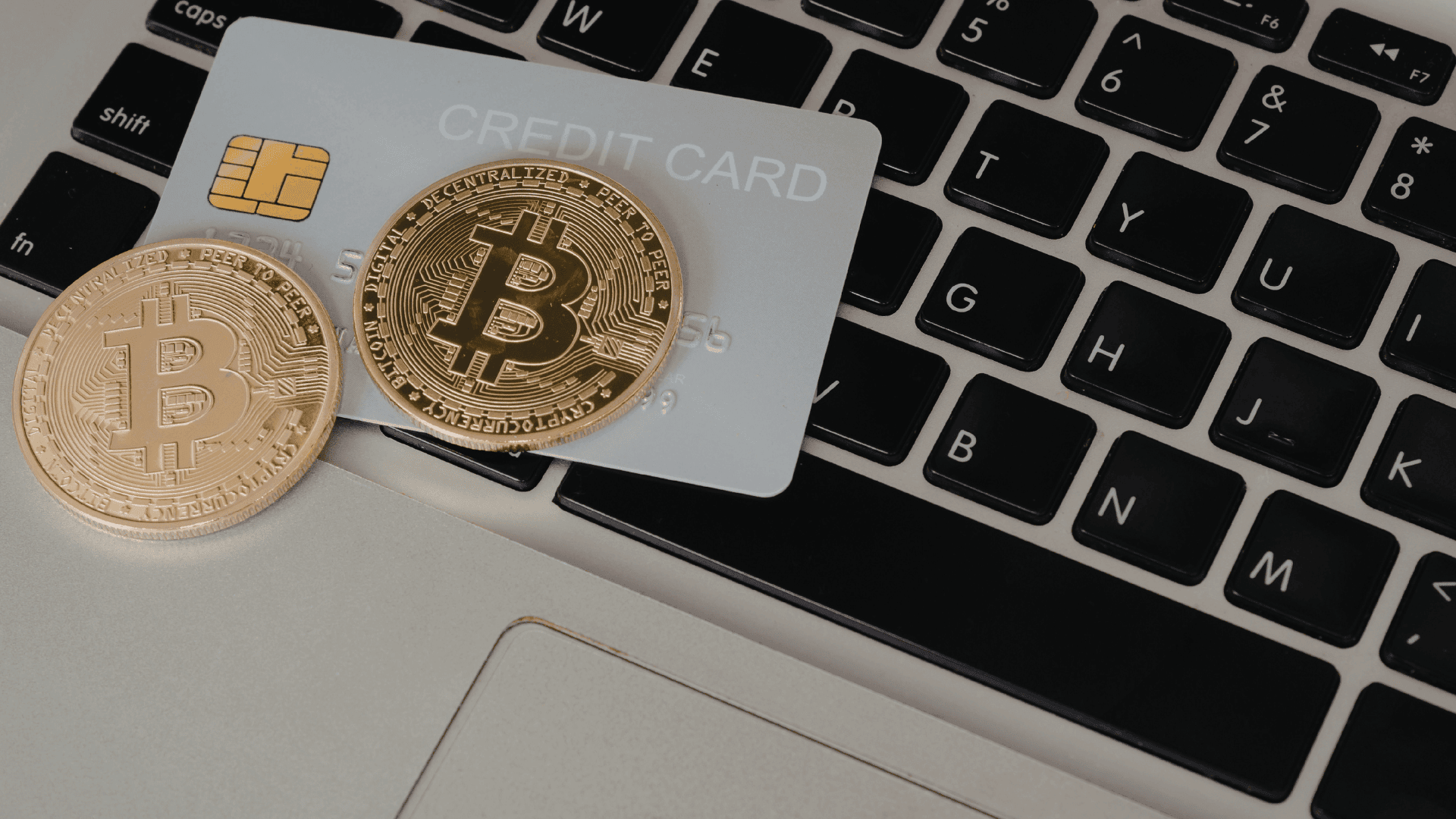
For a lot of people, cryptocurrency is still thought about in a certain way. You may know the basics of it – it’s something you buy and you watch it go up or down. Or, perhaps you’ve heard of it and meant to look into it, but just never really got round to it.
What probably isn’t in most people’s minds, is that it’s something you can use to book your next flight to Europe or tickets to that upcoming festival.
In fact, an entire ecosystem is emerging, allowing ordinary people to use crypto as a form of payment. Think travel, events, experiences, accommodation. It’s certainly worth knowing about, right?
How Did We Go From Speculation To Spending?
In the early days of Bitcoin, using crypto as a payment method was usually one of false starts. A merchant would announce that they accepted Bitcoin, only to abandon it a couple months down the line. Why? Because hardly anyone used it and the price volatility meant a headache for the accounting department.
In theory, the technology was there yet in practice, it was slow and clunky – just not quite feasible.
Fast forward a few years and things have come a long way. For a start, payment infrastructure dramatically improved. The introduction of stablecoins solved a lot of the volatility problems, given that they are pegged to the value of traditional currencies.
And, probably most importantly, the number of people who had significant amounts of crypto were at the point where a real market of people wanting to spend it began to formulate.
Some surveys show that up to 22% of US travellers are interested in paying for travel with crypto, while Europe and Asia are also seeing the rapid adoption.
The UK May Have Fewer Holders, But They Have Bigger Wallets
A 2025 report from the Financial Conduct Authority (FCA) revealed that 8% of UK adults currently own crypto which is roughly 4.5 million people. The number came down from 2024 where it was 12%, converting to 7 million people. It seems like that drop wouldn’t be good for the sector but in reality, that isn’t quite the case.
The FCA noted that while small-value holdings were on the decline, large-value holdings were doing the opposite. Put simply, the casual dabblers in crypto were dropping off but those holding more are left, and are more likely to be financially comfortable crypto users willing to spend it on something meaningful.
Something that is also interesting is the split in what UK crypto holders actually own. 57% own Bitcoin, the most commonly held asset. Ethereum takes second place at 43% and 21% hold Solana.
Does Bitcoin’s dominance matter? It does concerning the travel and booking space specifically because it’s the most widely accepted. The majority of platforms will accept Bitcoin, even if they are more selective regarding everything else.
More from Cryptocurrency
- USA₮ Turns Times Square Green With St. Patrick’s Day Brand Activation Introducing Digital Dollar Payments
- Can I Book Flights And Hotels With Crypto?
- VCs Investing In Crypto In 2026
- Why Is The UK Still Turning To AI For Crypto Advice?
- 6 Benefits Of Using IDO Launchpads
- How Infrastructure Became Central To The Hatu Sheikh Web3 Strategy
- What Does a Crypto Launchpad Actually Do?
- The True Significance of a Token Generation Event (TGE)
The Platforms Leading The Crypto Charge
Travala has become the reference point for what a crypto-first travel booking platform looks like when it’s done correctly. The platform enables users to pay for travel anywhere in the world using more than a hundred cryptocurrencies or traditional payment methods.
It even has a loyalty token called AVA which, when you use to pay, can unlock up to 10% cashback in Bitcoin or AVA tokens for eligible members. For those who travel frequently, it’s a pretty compelling proposition.
Alternative Airlines, on the other hand, takes a slightly different approach. They integrate with payment providers to allow travellers to pay for flights across six hundred airlines. The advantage here is that if you want to fly on a specific carrier, there is a good chance that Alternative Airlines can make it happen while letting you pay in crypto.
The Next Frontier For Events And Entertainment
Aside from travel, the events and live entertainment space is also undergoing a transformation. In fact, crypto payments and blockchain ticketing are solving some longstanding problems.
If you have tried to buy a concert or festival ticket in the UK, you would be familiar with how the secondary market works. The tickets will sell out in minutes and then reappear on resale sites. The actual artists and event organisers see none of that secondary revenue and fans end up paying exorbitant amounts for tickets they can’t even verify.
But, NFT-based ticketing platforms use dynamic QR codes and blockchain verification make it much harder to exploit duplicated tickets. Any entry is validated by checking that the ticket genuinely belongs to the person holding it and hasn’t been used before.
Are People Actually Using Crypto To Book Things?
The answer is – yes. There is a large group of people out there who have accumulated crypto as an investment and actually want to use it for something.
There is a psychological distinction between using something that has appreciated compared to spending pounds out of your salary. That makes it easier to spend crypto on things such as travel or concerts that one might otherwise feel guilty for splashing out on.
Paying with crypto also makes things significantly easier for digital nomads and international travellers. Moving money across countries and dealing with multiple currencies as well as foreign transaction fees can all be largely eliminated by using crypto. Having one digital wallet that works everywhere is a godsend.
And lastly, it can benefit people who simply value their privacy. Those who don’t feel comfortable sharing their card details with third parties and being at risk of payment fraud. It’s a modern reality yet payment with Bitcoin benefits from blockchain security where every transaction is recorded and resistant to fraud.
So the next time you’re booking a holiday or event, it might be worth checking whether your Bitcoin can do the job.