


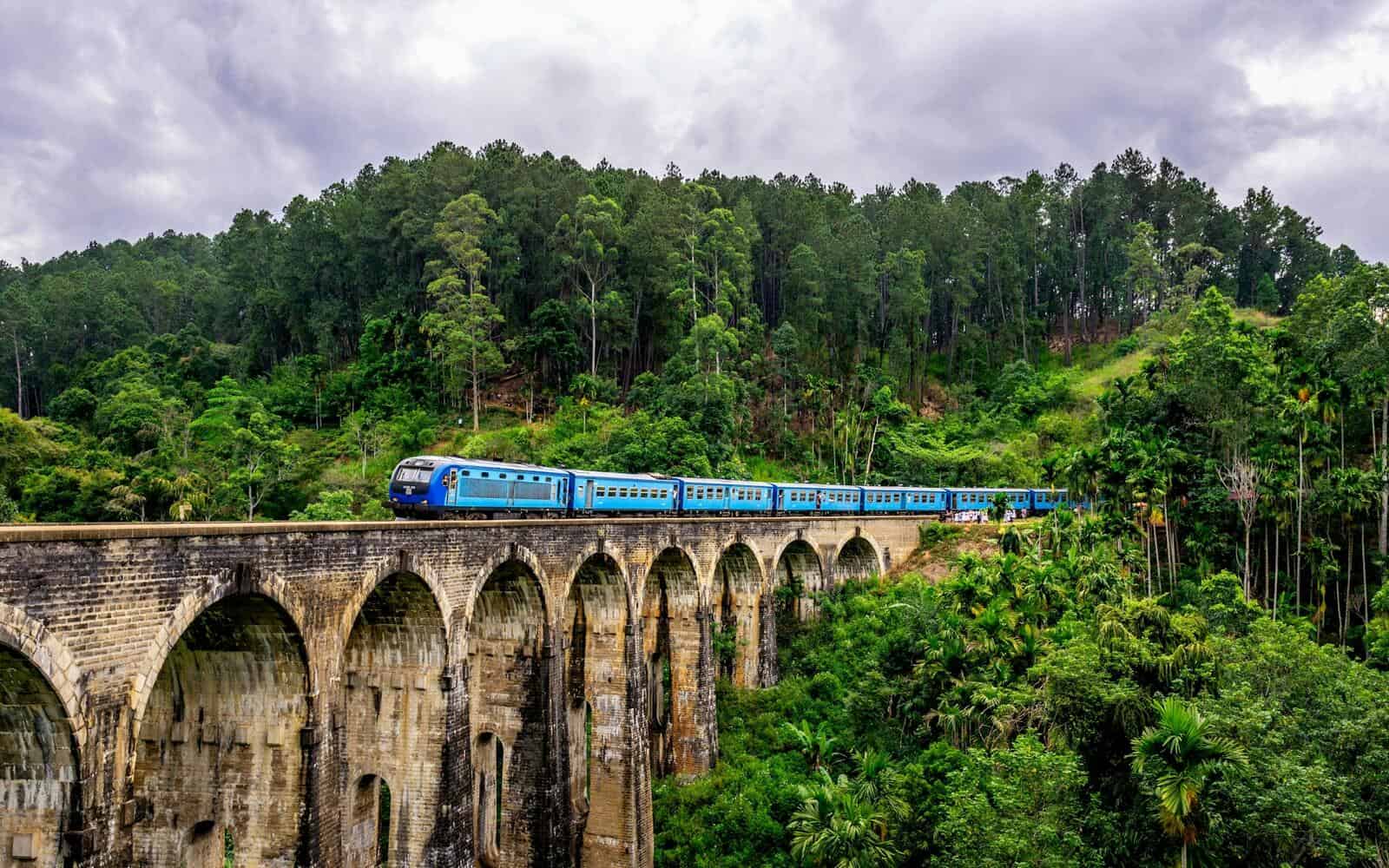
Sri Lanka, the beautiful island country just south of India, has officially launched its own digital nomad visa.
As of this month, remote workers can live on the island long-term whilst still working for their overseas clients or companies.
The launch of the visa is designed to attract more higher spending, longer-term visitors and solidify Sri Lanka as one of the world’s best remote worker hubs.
So, how do you get the visa? And what actually does it get you?
What Is Sri-Lanka’s Digital Nomad Visa?
Sri Lanka’s digital nomad visa is a one-year residence visa for remote workers, freelancers and business owners who earn income from outside Sri Lanka.
Importantly, the visa will only be issued if the receiver agrees not to take up local employment.
Visa holders can live in the country as if they are a full resident, allowing them to rent property, open a local bank account, enrol children in private or international schools and access co-working spaces.
The visa has to be renewed once a year and will only be re-granted if applicants continue to meet the eligibility criteria.
Who Is Eligible For Sri Lanka’s Digital Nomad Visa?
In order to be considered for the visa, applicants must:
- Be 18 or over.
- Work remotely, either as a self-employed individual or employed by a foreign employer. Business owners are not allowed to take on clients within Sri Lanka.
- Have no Sri Lankan income.
- Meet the income thresholds (more on this shortly).
- Pass all health, security and background checks.
Applicants can also apply for their spouses and dependents to come in under the same visa.
More from Guides
- What Is Data Sovereignty?
- 10 Amazing Features Of A Smart Stadium
- How Tech Startups Are Solving Water Scarcity
- Top Alternatives To Booking.com For Accommodation And Travel
- Top Alternatives To Expedia For Travellers
- How To Freeze Business Credit (And Should You?)
- How Does Fracking Actually Work?
- Best Crypto Risk Analyst Jobs You Can Do From Anywhere
What Is The Minimum Income Needed?
Given Sri Lanka’s relatively low cost of living, the income needed for the visa is quite affordable compared to other options.
For Sri Lanka’s visa, each main applicant has to earn at least $2,000 per month. Within this, they are allowed 2 children as dependents, but have to prove they earn an extra $500 per month for each additional child after this.
As part of the process, applicants have to prove that this level of income is earned from overseas clients.
How Much Does The Visa Cost?
Each time the visa is granted, it’s valid for one year. The visa fee is $500 per year for the main applicant, spouse, and each dependant and is non-refundable.
What Documents Do You Need To Apply?
To apply for Sri Lanka’s digital nomad visa, applicants have to submit a full document pack to Sri Lanka’s Department of Immigration and Emigration.
This must include:
- The full visa application form.
- A formal request letter for the visa.
- A passport that is valid for at least six months.
- Two recent passport-sized photographs.
- Marriage certificate (for spouse).
- Birth certificates (for dependants).
- A security clearance form.
- A medical clearance report.
- A police clearance certificate issued within the last three months.
- International health insurance valid in Sri Lanka.
- A recommendation from the Ministry of Digital Economy.
- Proof of minimum monthly income and where it comes from.
Once approved, the visa is valid for a year.
What Are You Allowed To Do On The Visa?
Unlike a tourist visa, digital nomad visa holders can:
- Live in Sri Lanka long-term, without needing to leave the country for the whole year.
- Rent accommodation anywhere in the country.
- Open a local bank account.
- Use co-working spaces.
- Enrol children in private or international schools.
Importantly, the terms of the visa clearly state that digital nomads cannot work for a Sri Lankan company or earn income with clients locally. All the money that comes into their bank account must be from abroad.
Why Now?
Digital nomad visas have been hugely popular over the past few years. Countries like Spain, Portugal, the UAE and Estonia all have them.
But why? Well, post-pandemic, many countries wanted to attract foreign workers to help boost their economies. For low-income countries, this influx helps pool in more foreign money, which can help local businesses drive more revenue.
For Sri Lanka, a country that has battled a sovereign debt crisis since 2022 and experienced huge economic contraction, the digital nomad visa is a way to further boost the economy.
And with demand for digital nomad visas on the up, it’s no surprise that news of its arrival has garnered a lot of attention.
Sri Lanka’s Visa
Sri Lanka’s digital nomad visa is a great option for any remote worker that wants to live in and explore this beautiful and culture rich country.
With an affordable income requirement and a low cost of living, it’s a great option for anyone looking to slow down and stretch their budget as far as possible.
So, if you’re a remote worker that dreams of days on the beach and country sides full of tea trees, then this visa might just be what you’re looking for.