


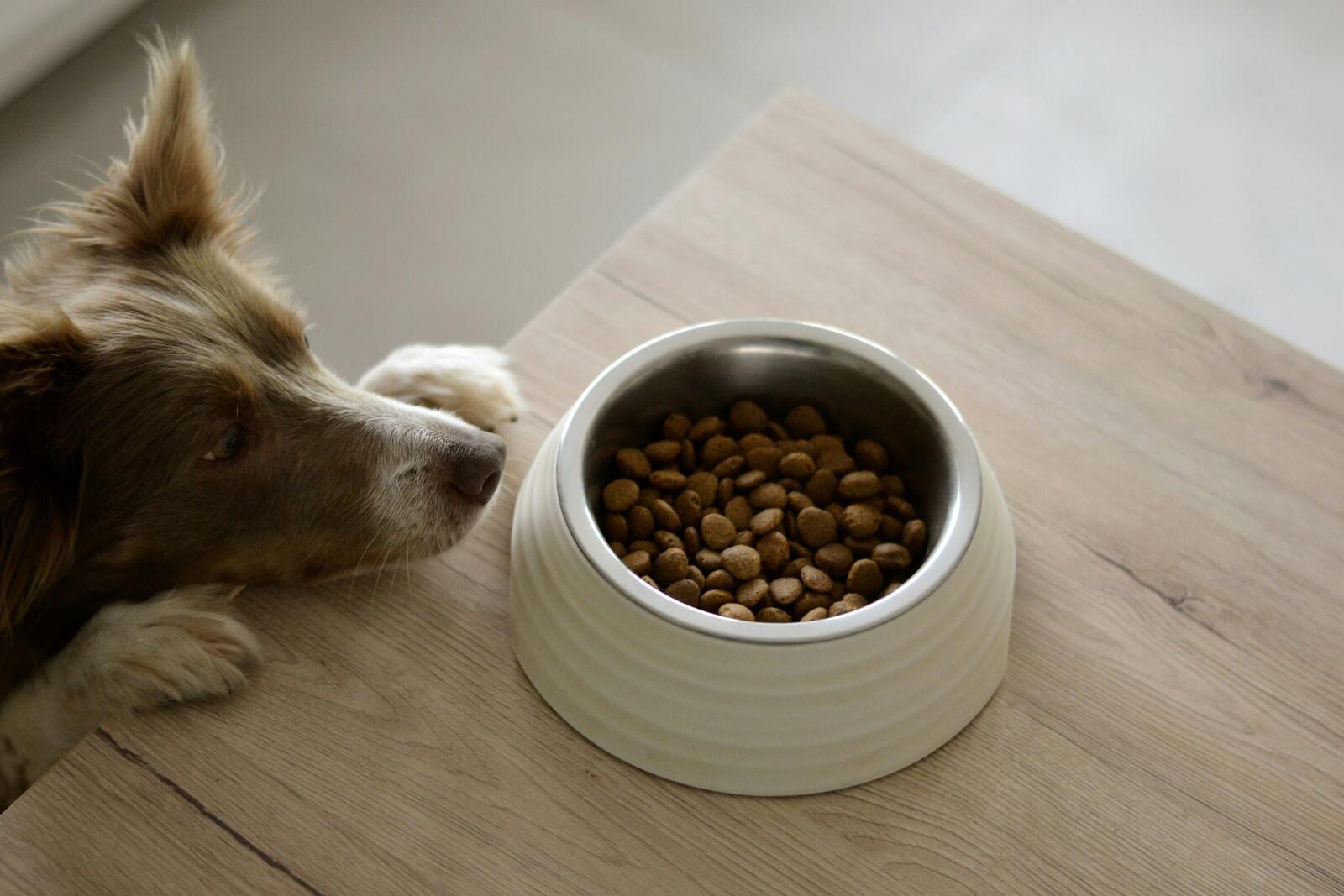
Startup jargon has always been a little quirky, and that doesn’t seem to be something that’s likely to change anytime soon. “Pivoting” sounds like something from a boardroom presentation, and “Unicorn” sounds like something from a fairytale. Well, it does come from fantasy land, after all.
And then there’s dogfooding. A little less Disney and a lot more “Punkd”.
It sounds less like a business strategy and more like a questionable dietary choice. But despite the strange name, dogfooding is actually one of the most valuable practices a startup can adopt. And actually, it is based on the idea of eating. Well, kind of…
In simple terms, dogfooding means using your own product yourself. If you’re building a project management platform, you manage your projects on it. If you’re creating a note-taking app, you take your own notes with it. And i you’re building an AI tool, your team uses it as part of their daily workflow.
The idea is quite simple. If you wouldn’t use your own product, why should anyone else?
Where Did The Term Come From?
The phrase “eating your own dog food” has been around for decades, but it became particularly popular in the tech world through Microsoft, where employees were encouraged to use the company’s own software internally. Essentially, the concept is based on the idea that the fastest way to identify problems was to experience them firsthand. Find it yourself, before your consumers do.
And since then, dogfooding has become a staple practice across the startup world. Companies like Microsoft, Google, Slack and GitHub have all famously relied on internal usage before releasing products more broadly.
More from Guides
- Why Does Your Phone Battery Get Worse Over Time ? The Tech Behind Battery Degradation
- Am I Owed a Tax Rebate? A PAYE Checklist For UK Employees
- Your Startup Just Got Acquired, What Happens To Your Team’s Visas?
- Inside The Technology Tracking Products From Factory To Customer
- Is The Anti-Unicorn (Zebra) Movement Starting to Grow?
- What Is AI Debt?
- The Warning Signs To Look For Before Buying From An Online Store
- What Is Customer Acquisition Cost?
Why Do Startups Love Dogfooding?
The biggest advantage of dogfooding is that it creates an incredibly fast feedback loop. Instead of waiting for customers to complain about a confusing feature or a frustrating bug (and perhaps leave a bad review in the process), founders and employees encounter those issues themselves. That means problems are often spotted and fixed before they reach paying customers.
It also helps startups focus on the mot important issues at play. When you’re using your own product every day, you quickly learn which features are genuinely useful and which ones looked impressive in a pitch deck and on the surface but actually add very little value in practice. Dogfooding forces founders to prioritise usability over novelty, because they’ve actually experienced it themselves.
There’s also a credibility factor that needs to be considered in the testing process. Investors, customers and partners tend to feel more confident when a team genuinely relies on the product it’s selling. It highlights and advertises belief in the product and confidence in its value.
But, Of Course, Dogfooding Isn’t Perfect
Like most startup advice, dogfooding comes with a catch: founders aren’t normal users and they’re never going to use anything in the same way an ordinary customer or consumer would.
They know every shortcut, every workaround and every hidden feature because they built the thing. They know what issues to keep a lookout for, whether consciously or subconsciously, and they’re more likely than anyone else to pick up when something is out of place. What feels intuitive to the team may be completely baffling to someone seeing the product for the first time.
And this is why dogfooding works best when it’s combined with external testing. Internal feedback can help identify obvious issues, but real customers often reveal problems founders never considered. The best startups use dogfooding as the first stage of testing, not the only stage, and that’s the real trick.
The Best Startup Products Often Start With Dogfooding
Interestingly, plenty of successful startups were effectively dogfooding before they even realised it.
Slack was born because its founders needed a better way to communicate internally, Basecamp emerged because its creators wanted a better way to manage projects, and Countless SaaS businesses started because founders were solving their own frustrations first.
That’s often where the strongest startup ideas come from. Real problems experienced by real people and ultimately, solved by real businesses.
After all, it’s much easier to build a solution when you understand the problem intimately. Not to mention the fact that you’re far more likely to be motivated to be successful.
Should Every Startup Be Dogfooding?
Not all startups should necessarily be doing anything as a rule. Of course, some products are easier to dogfood than others, so the process is more natural in such cases. For instance, a founder building accounting software can probably use it themselves, whereas a founder building software for surgeons or airline pilots probably can’t.
However, whenever possible, using your own product is one of the most effective ways to understand its strengths, weaknesses and blind spots. It turns founders from builders into users, which is often exactly what’s needed. That and a pinch of honesty.
Because at the end of the day, dogfooding isn’t really about testing. It’s actually about determining whether it’s something you would actually use yourself, and not only that, but why, one way or the other.


