Most London drivers know the drill: join the queue at the car wash and kiss goodbye to an hour of the weekend.
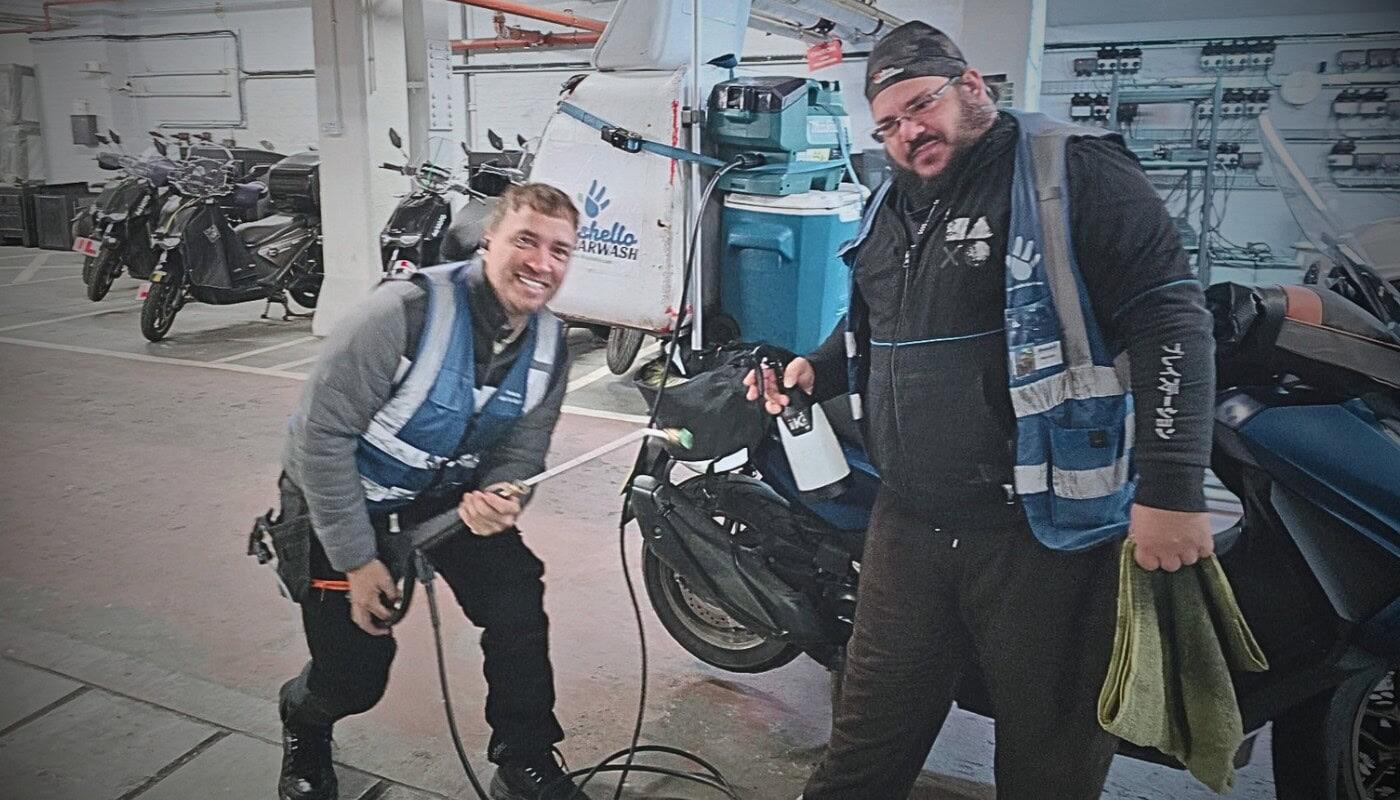
James Allen decided the car wash should come to them instead, on the back of a scooter. His company, Washello, started in 2016 as an idea scribbled on a piece of paper. It has since grown into a mobile valeting business trusted by thousands of drivers across the city, without a penny of outside investment.
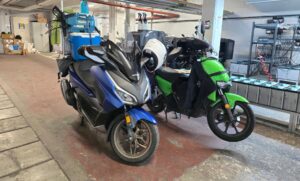
Ditching the van is the secret sauce, and it keeps prices starting at £19.95. Washello now runs two scooters, one petrol and one electric, and more than 3,000 bookings have come through its website since November 2022. While the rest of London packed away the hosepipe during this summer’s Thames Water ban, Washello kept on washing, thanks to the water its riders carry to every job.
Even London’s black cab drivers are on board, with Washello now Freenow’s official valet partner in the city. And if James gets his way, car washing is only the first job he’ll strap to a scooter.
James shared with us what it takes to run a valeting business from a scooter and why being different gives him the edge.
You started with a 12V pressure washer bolted to an old pizza delivery scooter, charging £5 a wash between Deliveroo shifts. What did those early days teach you?
When I started, I just needed a few customers to see whether the concept worked. I left flyers on people’s cars asking them to call me, and having people ring up to demand I take them off was a punch in the gut for my confidence.
The lesson I had to learn was that my prices should reflect the value of the service. Raising them to something affordable but fair was the way forward. Bookings became steady once I had a good, trusted customer base. Thanks to word of mouth and the WhatsApp groups we were being mentioned in, business kept trickling in.
How does running on scooters keep a full valet at £89.95 when other London services charge £130 or more?
Because we use scooters, we save on a lot of costs, such as fuel, the congestion charge and ULEZ. Insurance and running costs are far lower than a van’s. We also get through London traffic quicker and don’t take up a parking space outside the customer’s home or workplace.
Those savings go into the price, which is how a full valet stays at £89.95. We’re also upfront about the fact that we can’t deal with heavy mud or sand. That leaves us with the jobs we can do confidently and well.
Can you talk us through what’s packed onto a Washello scooter today, and how you run a full valet on battery power?
The scooter carries a Makita battery pressure washer and a 40-litre water tank on wheels, which goes behind the rider. A Milwaukee wet and dry vacuum and all the cleaning equipment go in a large delivery box on the back. Finally, there’s a rotary polisher under the seat for scratches and polishing jobs.
Everything runs on batteries. I carry two Makita batteries for the pressure washer and five Milwaukee batteries for the vacuum and polisher, so there’s no generator and nothing to plug in at the customer’s property. We bring our own water too, and use between 20 and 40 litres per car.
How did the Thames Water hosepipe ban affect demand, and how important is the eco-friendly side of the business to you?
The good news is that the hosepipe ban brought in new business. We were unaffected, so people started looking into new ways of getting their car cleaned.
Using endless water on a car and washing harsh chemicals into the ground has never been a good look. People feel good about using a company that doesn’t waste water or use harmful chemicals, and that’s an important ethos for us.
How did the work with Freenow’s electric black cabs come about, and what’s it like cleaning a cab between fares?
Our introduction came through Freenow’s yearly event, where drivers who attended the conference were rewarded with a car valet from us. Because our prices are reasonable, the partnership grew into special rates for their drivers.
Even if a driver only has a 45-minute break, they can call us out, and we’ll fit the clean around them. Cleaning a cab between fares is about getting as much done as possible in a small window of time. We want to get the cabbie back on the road as soon as we can, which means getting every last McDonald’s chip out from between the seats.
You’ve cleaned more than 5,000 cars and brought on a second rider without outside investment. What has been the hardest part of growing the business?
It’s challenging, because every penny that’s spent on advertising campaigns and leaflets comes out of your own pocket. But in return, you value the rewards more, and the accomplishments feel richer for it.
Advertising on Google has never really worked for us. Mobile car cleaning isn’t something many people actually search for, and because our margins are so tight, it ends up costing us more than we get back. We much prefer speaking to people who approach us and handing them a business card.
Leafleting is rare for us and not especially eco-friendly. When I do it, I use the kind of hanger hotels use for their Do Not Disturb signs. They work great, because you can hang them on a car door handle and they don’t blow away.
What’s the most memorable job you’ve done so far, and what did it teach you about London drivers?
Cleaning an Aston Martin DB6, and being trusted with that opportunity, is the one I remember.
It was in my first few years, and it was terrifying. One scratch or slip could have meant thousands of pounds to put right. It was also in an underground car park, so using lots of water wasn’t an option. I took my time and went panel by panel, and the results were great. After that, the owner had me clean his Jaguar E-Type.
It taught me that just because you don’t look like the competition doesn’t mean people will treat you differently. If anything, being unique gives you the edge.
If car valeting is just the start, what’s the next service you’d like to put on two wheels?
We can go anywhere with this idea: window cleaning, bin cleaning, driveway pressure washing. It’s more about knowing the skills than the equipment. If we can fit it on the back of a bike, why can’t we build a business around it?
What would you tell someone starting a business with no money?
Oh, easy. Research your competition, advertise what you can do with the tools you have, and find a way to undercut them on price. The main thing is to always be willing to give a full refund if people aren’t happy.
What does a normal working day look like?
I’m part of the 5am club. I have contract clients first thing, so I have to be there cleaning vehicles before the sun rises. Then my day of bookings starts at about 9am. Winter is a little easier, as we have to finish when the sun starts going down.
How do you use technology to run a two-person business?
Everything is automated.
Orders come in and are distributed according to who is working in which area, and each slot has a set length so we don’t tread on each other’s toes with bookings. Our booking calendar has a lot going on in the back end, but it’s incredibly simple for the customer.
Before AI, I used people from Fiverr to build and fix my site, which cost a fortune. I had a vision and I stuck to it. AI came in a little too late for me, but it’s tidied up a lot of loose ends and helps me spend money on what’s important.
Where do you want Washello to be in five years?
I’d like Washello to keep expanding, with local people operating in their own areas, and maybe branch out to a different city. Additional services could be added too, but that would be more attainable with investment in the future.
However big we get, I’ve never agreed with zero-hours contracts or sketchy employment contracts. I want to invest in my staff, have them grow with the company, and keep a family atmosphere.