


Kanoo Pays is a Bahamian “Super app” with an integrated multi-tender digital wallet, a CBDC (central bank digital currency)/ Sand Dollar payment platform dedicated to transforming financial services in the Caribbean and beyond by offering secure innovative payment solutions tailored to businesses and individuals. We’re licensed by our Central Bank and are very proud to have been the first licensed payment institution to process, integrate, and interoperate secure (CBDC) payments.
Tell Us About Yourself
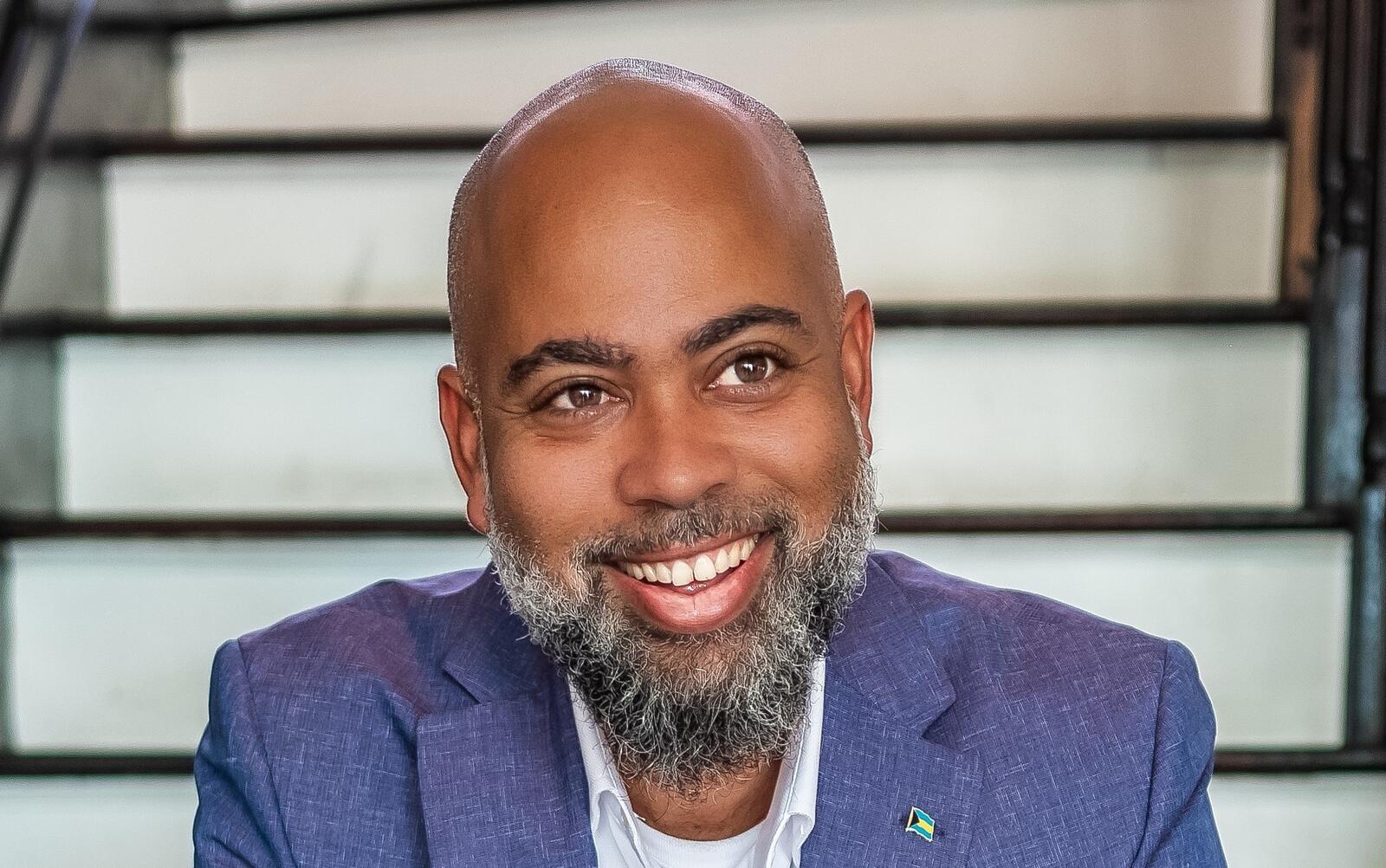
I am a former Olympian, having proudly represented The Bahamas in swimming at the 2000 and 2004 Olympics, a highlight of my athletic career. Beyond the pool, I’m a devoted husband and father of three. Professionally, I’ve explored a variety of roles, but I am most passionate about payment solutions. This passion naturally led me into the fintech industry, where I’ve focused on simplifying and driving innovation in the financial services space.
What Has the Company Journey Been So Far?
Kanoo Pays’ journey officially began in 2019, setting out to tackle the financial service gaps hindering financial inclusion across the Caribbean. Each island faces its unique challenges, such as limited access to foreign currencies like the US dollar and faces the ongoing impact of physical bank de-risking. Sadly in 2019, The Bahamas was devastated by Hurricane Dorian, a tragedy that left many people displaced and struggling to access necessities. In response, we’ve provided financial aid to the most vulnerable families, which was a lifeline to many.
More from Interviews
- Interview With Joe Gillam, Co-Founder Of Soul Spaces
- A Chat With Alexander Kihm, Founder And CEO Of POMA AI
- A Chat With Jason Day, Head Of EMEA At Luma: How Agentic AI Is Rewriting The Rules Of Creative Production
- A Chat With Yahya Hmida, XWorld: Building An Enterprise AI Company With No Outside Funding
- A Chat With Antonio Barradas, Epassi And Zest: Why Choice Alone Isn’t Enough For Employee Benefits
- A Chat With Laura Harrison, Education Lifeguards: Rethinking Teacher Wellbeing This World Mental Health Day
- A Chat With Luca Steinmetz, FARAWAYHOME: How AI Search Is Rewriting The Rental Listing
- A Chat With Lucid Software’s Jamie Lyon: Why Shared Context Is Becoming AI’s Real Competitive Edge
How Do You Think Kanoo Pays is Disrupting the Sector In a New Way?
Kanoo Pays is disrupting the fintech space by focusing on accessibility and inclusivity. We’re catering to the traditional banking clientele and those who have been excluded from financial services for too long. We’re also pushing the boundaries with innovative solutions like offline payment capabilities and our pioneering wearable ring payment technology. The wearable payment device market is projected to reach $133.09 billion by 2034, which is remarkable. However, the truly exciting aspect is the number of people who will finally have the opportunity to be included in the financial services sector.
How Do You Think Kanoo Pays Is Changing People’s Lives?
Kanoo empowers underserved communities by providing access to essential financial tools they’ve long been without. Through our Super App, we equip Bahamians with the ability to manage their finances more effectively, reducing their reliance on cash. This is particularly vital in areas with limited access to traditional banking services, such as North Andros, where the only ATM was recently vandalized. By partnering with local merchants, we ensure that people in remote locations can shop and conduct transactions without the need for physical cash.
What Does the Future Hold for Kanoo Pays?
The future for Kanoo centres on growth, innovation, and deepening strategic partnerships, particularly across the Caribbean and Africa. Our recent conversations with Afreximbank, when they visited The Bahamas recently, underscores the increasing alignment between African and Caribbean fintech ecosystems. This partnership presents exciting opportunities for fintech companies like ours to tackle financial exclusion by leveraging cross-border financial infrastructure and expertise.


