


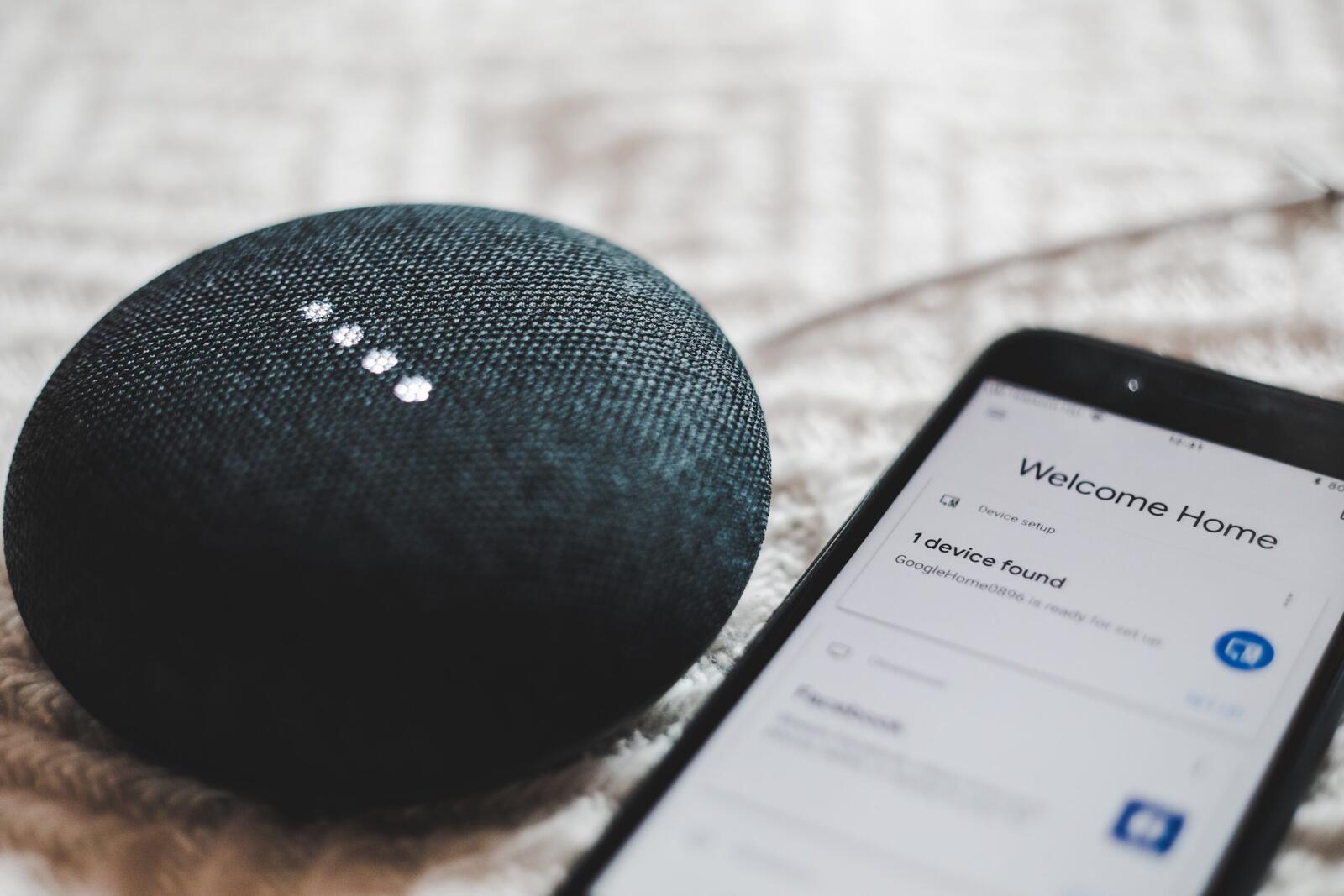
Smart homes are transforming how we live, and leading this change are two major platforms: Apple Home and Amazon Alexa. Both are useful, but as with every product, different features cater to different users. Here’s a look at the two most popular smart home devices, and what they both can and cannot do.
Apple Home: The Ecosystem Advantage
Apple Home, driven by the HomeKit framework, integrates effortlessly with Apple devices. Its strength lies in creating a cohesive environment where iPhone, iPad, and Mac users find familiarity and ease of use.
Interface and Interaction
Apple Home’s interface aligns with Apple’s renowned design aesthetics – simple, elegant, and user-friendly. It offers an intuitive control experience through the Home app, available on all Apple devices.
Privacy at Its Core
Privacy is a cornerstone of Apple’s philosophy. Apple Home excels in safeguarding user data, providing encrypted communication between devices. This focus on privacy is a significant draw for security-conscious users.
The Universal Connector
Amazon’s Alexa Home is celebrated for its versatility and broad compatibility. It’s designed to function across a diverse array of devices, not limited to Amazon’s own Echo series.
A World of Compatibility
Alexa Home’s real charm is its extensive compatibility with many smart devices. From lights to thermostats, cameras, and more, Alexa can integrate with an impressive range of products, making it a more adaptable choice for a diverse smart home setup.
More from News
- I Woke Up To A Meta Account. When Did I Agree To That?
- Vidoser Launches AI-Powered Platform To Streamline Creator Marketing For Brands And Agencies
- Office Freedom Named Agency Of The Year And Deal Of The Year 2026
- A “Power Event” At Google Cloud’s London Region Affected Revolut And European Banks – What Happened?
- Anchor Launches Action Index, Cutting Computer-Use Agent Token Costs By 100X
- Anthropic Selects Build Circle As A UK Partner To Help Supercharge AI Realisation For Clients
- An OpenAI Engineer Is Charged Over A $14 Recording Device – What Does It Say About Security At AI Labs?
- Mhance Acquires CPS And City Dynamics To Strengthen Its Copilot, Modern Work And Business Solutions Capabilities
Voice Control
Alexa’s voice control is notably advanced. It can handle a variety of commands and queries, backed by Amazon’s vast information network. Alexa’s ability to learn user preferences enhances the overall smart home experience.
User Experience and Integration
Apple Home users enjoy a streamlined experience, especially if they are already part of the Apple ecosystem. The synchronisation across devices is smooth, albeit with a narrower range of compatible smart devices.
Alexa Home, conversely, may not offer the same level of integration within a specific ecosystem like Apple’s, but it compensates with its ability to connect with a wider variety of brands and devices.
Smart Automation and Routines
Simplified Automation with Apple
Apple Home’s automation features are straightforward, allowing users to set up basic routines easily. While not as extensive as Alexa’s, they offer efficient control for everyday tasks.
Alexa’s Customisable Routines
Alexa stands out with its highly customisable routines. Users can create complex scenarios and automations, providing a tailored smart home experience that can adapt to varied lifestyles and preferences.
Choosing What Suits You Best
Deciding between Apple Home and Alexa Home comes down to individual preferences and existing technological commitments. Apple Home is ideal for those deeply invested in Apple’s ecosystem, offering a seamless and secure experience.
Alexa Home, with its wide-ranging compatibility and customizable routines, is suited for users seeking flexibility and variety in their smart home setup. Both platforms have their unique strengths, making the smart home journey exciting and personalised.


