


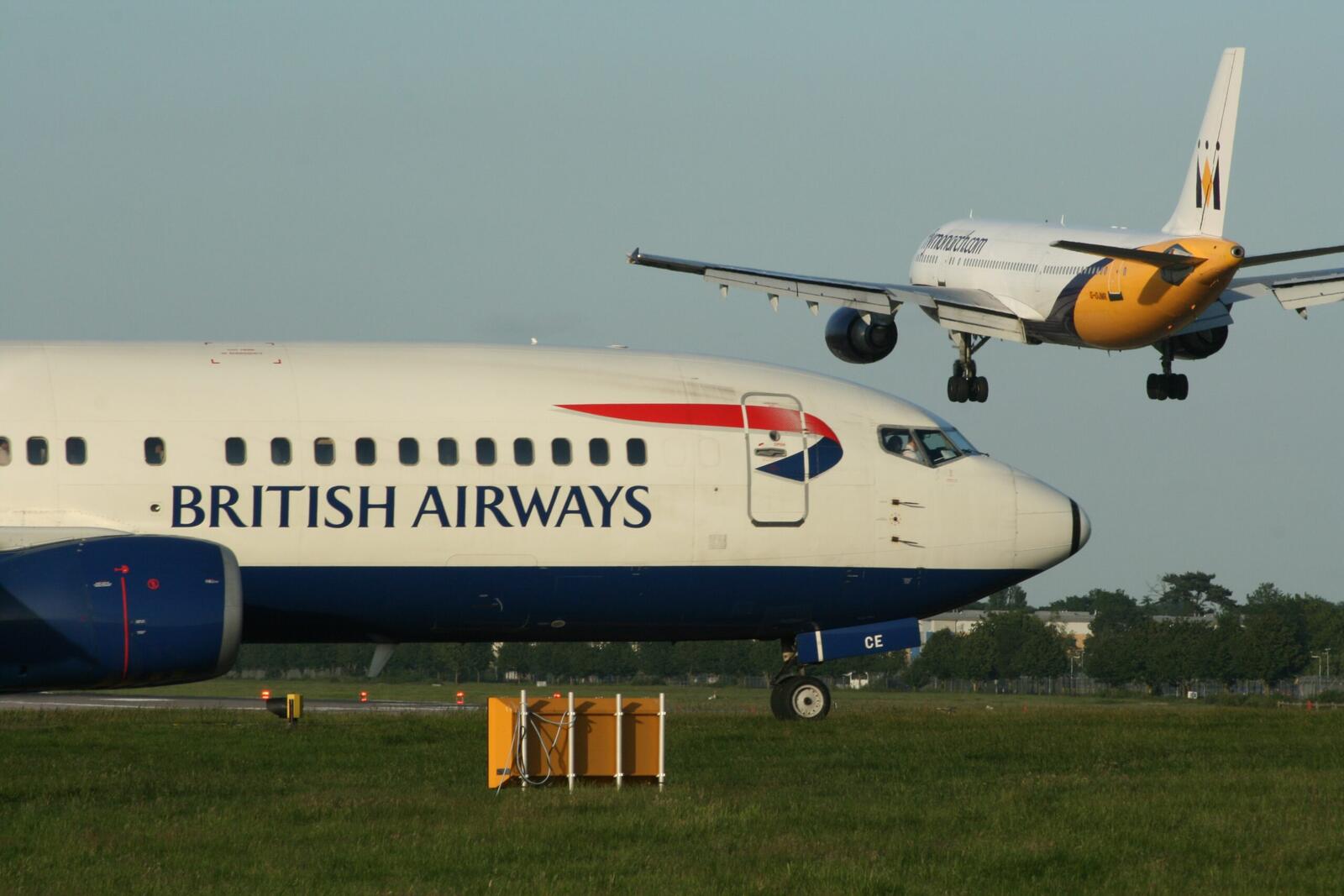
On Thursday, passengers at Gatwick Airport faced a situation that no one ever wants to experience. A shortage in air traffic control staff brought flights to a standstill. Michael O’Leary, Ryanair CEO, called the incident unacceptable. “This is a blatant failure to adequately staff UK ATC,” he stated, showing no restraint in his criticism.
The Numbers Tell the Tale
Air traffic controllers cancelled 42 flights, stranding more than 6,000 passengers for the day. Some had no choice but to sleep on the airport’s uncomfortable chairs and floors overnight. Flights diverted to other airports, such as Manchester and Birmingham. International flights from Wuhan and outbound to destinations like New York also faced disruptions.
Industry Leaders Speak Out
Many airline leaders didn’t hesitate to express their dissatisfaction. Julia Lo Bue-Said, CEO of Advantage Travel Partnership, made her opinions very clear. “This kind of disruption doesn’t just inconvenience travellers. It places financial strain on airlines and travel agents, not to mention the damage to reputation,” she argued. EasyJet, another affected airline, was quick to issue an official apology, expressing regret for the turmoil caused to their passengers.
NATS in the Spotlight
The National Air Traffic Services was at the heart of the problem, and its worth remembering two weeks ago, a similar situation happened because of a technical glitch in their system. Ryanair’s Michael O’Leary directly targeted the higher-ups. “The Chief Executive of NATS should resign,” he said, adding fuel to the fire.
NATS Fights Back
NATS did not remain silent. They announced that they had been following a staffing plan created in collaboration with Gatwick Airport last October. They also mentioned that the plan has resulted in a 17% increase in staff since last summer.
More from News
- Anchor Launches Action Index, Cutting Computer-Use Agent Token Costs By 100X
- Anthropic Selects Build Circle As A UK Partner To Help Supercharge AI Realisation For Clients
- An OpenAI Engineer Is Charged Over A $14 Recording Device – What Does It Say About Security At AI Labs?
- Mhance Acquires CPS And City Dynamics To Strengthen Its Copilot, Modern Work And Business Solutions Capabilities
- What Can Startups Learn From HSBC’s AI-Driven Job Cuts?
- Moterra AI Achieves Select Partner Tier In Anthropic’s Claude Partner Network
- GoDaddy Launches Web App Hosting With API For AI Coding Tools
- 7 In 10 Consumers Have Never Investigated What’s Inside Their Smartphone
Passenger Reactions
Passengers expressed their frustration across socials. Sarah Thompson, a passenger meant to fly to New York, commented, “I’ve planned this trip for months, and now it’s completely ruined.” Ahmed Khan, also stranded, declared, “This is unacceptable. I had a connecting flight to catch, and now I’ll miss it.”
The Real Cost
The disruption didn’t just inconvenience passengers; it also hurt airlines financially. Industry experts estimate that the airlines might face millions in losses. These costs include compensation claims, added operational expenses for diverted flights, and the sheer logistics of getting schedules back on track.
Questions Remain
This latest episode raises important questions about the reliability of NATS and Gatwick Airport’s management. With public trust now on shaky ground, stakeholders in the aviation industry demand immediate steps to prevent another mishap.
Aftermath and Remedies
In the wake of the disruption, Gatwick Airport announced that they would conduct an internal review. Industry experts, including Julia Lo Bue-Said, believe that stricter regulations are the need of the hour. “Immediate action is needed. We can’t afford another incident like this,” she said.
Passengers Brace for More
While plans and reviews are in the works, passengers are left wondering whether they should risk flying through Gatwick Airport again. Alice Smith, a frequent flyer, sums it up: “Until they prove they can prevent these issues, I’m considering other travel options.”


