


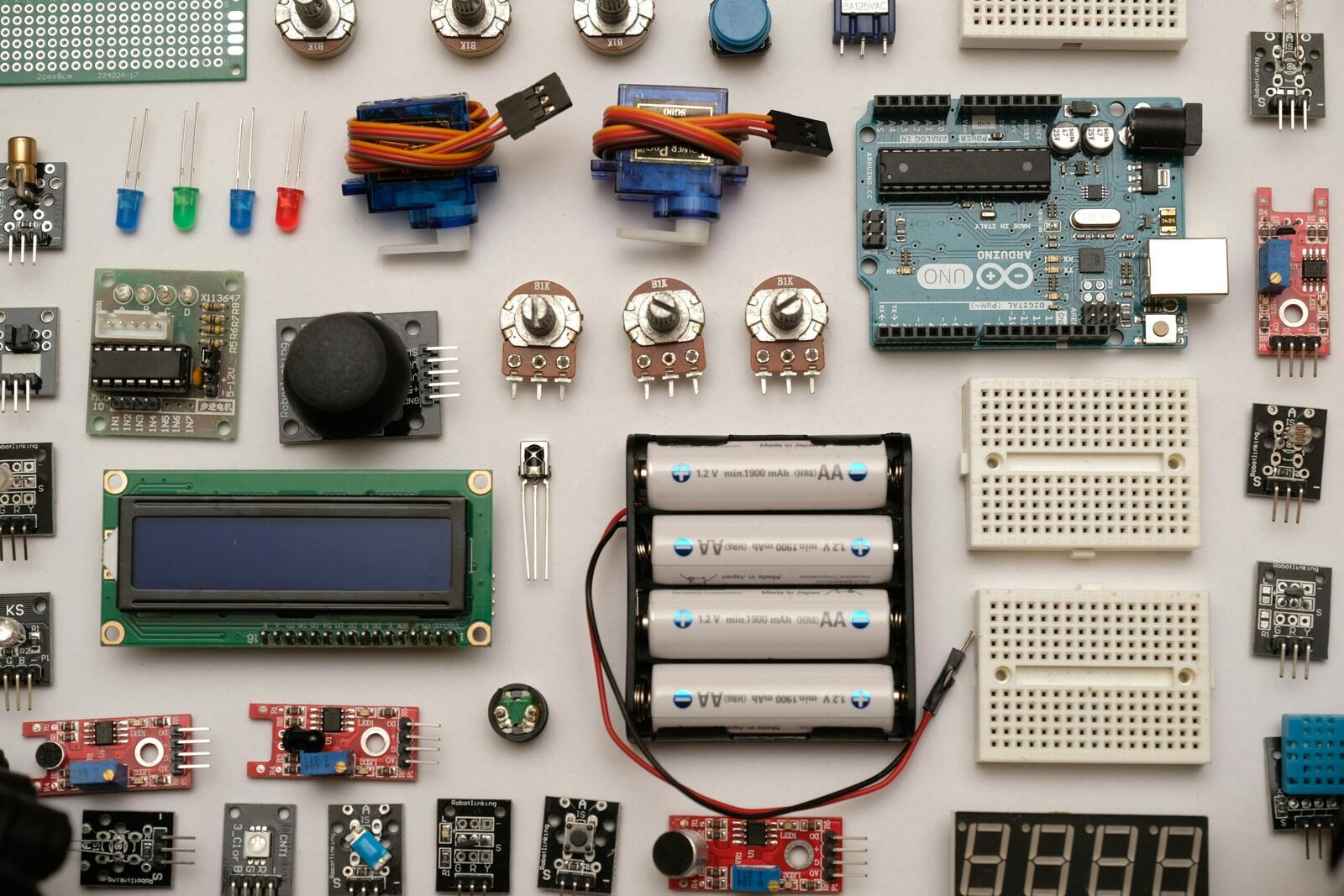
World IoT Day takes place on 9 April and began in 2010 through the IoT Council. It was created as an open invitation for people to chat about connected technology in everyday settings, with events and summits held all over digital and physical spaces.
Participation is open to anyone, from engineers and founders to local communities, with people hosting meetups and panels (even informal discussions, of course) that look at how connected devices fit into daily life and what changes may come next.
In 2026, these conversations connect directly to the reality of connected systems embedded in our everyday lives. It’s a conversation almost every industry needs to join in on.
How Big Is The UK IoT Scene Right Now?
The latest snapshot from The Data City that came out this February looks at data from Companies House, Dealroom and Innovate UK to describe the UK Internet of Things sector.
The report defines IoT as a system of devices, sensors, software and technologies that connect and share data without human input, covering your everyday consumer products such as smart home devices and wearables, as well as fundamental systems used in essential services.
The Data City platform tracks more than 5 million UK companies and uses over 400 sector classifications built from real time analysis of company websites, creating a detailed view of activity within areas like IoT.
Companies often operate in more than one vertical at once, with the report stating that each company appears in 1.4 verticals on average, which gives a sense of how connected technology falls into different parts of the economy at the same time.
Investment data from Dealroom deals with funding rounds from early stage backing through to IPO, while employment data tracks how company teams change over time, building a detailed snapshot of activity within the sector.
Why Are Network Changes Causing Problems For Many?
The shutdown of UK 3G networks in 2025 has forced manufacturers to revisit how their connected devices stay online over long lifecycles, especially when those devices were designed around older connectivity standards.
ByteSnap Design explains that 2G networks are expected to stay in place until at least 2033, although operators have already started to reduce capacity as spectrum is reassigned, which creates complications for devices that depend on stable long term connectivity.
More from News
- Why Are Digital Nomads Leaving The UK, And Where Are They Going?
- Are Hiring Tasks Turning Into Unpaid Labour For Companies?
- Artemis II Is NASA’s Mission, But Is Control Of The Moon Quietly Shifting To Private Companies?
- Is Your CV Alone Enough To Get Hired Today? Experts Weigh In
- Not Only Does AI Save Business Travellers Money – It Also Saves Business Costs
- Is Microsoft Copilot Venturing Into A New Industry?
- Only 10% Of EU Startups Make It to Series A. What Are They Doing Right?
- Are We Seeing New Generation Of Social Apps In 2026?
Many IoT devices are still in use for even over a decade, especially in areas like remote monitoring systems, which creates problems when network changes occur during that lifespan.
Dunstan Power, director at ByteSnap Design, describes the situation simply. He said, “The sunsetting of 2G and 3G networks has created a genuine minefield for companies developing embedded products. It’s no longer just about hardware; manufacturers are facing a complex choice between multiple migration paths while simultaneously navigating new compliance headaches like the Cyber Resilience Act (CRA).”
The company has introduced a Cellular Migration Fast-Track service to support the move from legacy standards to newer cellular networks (LTE-M, Cat-1Bis, 4G, etc.) with engineers flagging that delays often come about when teams reach certification stages that require repeated testing and redesign.
What Technical Issues Are Bringing Slow Progress?
Certification requirements cause a lot of delays, as cellular devices must pass programmes such as PTCRB or GCF before they can connect to public networks, and each failed cycle can add months to development timelines while costing tens of thousands of pounds.
Hardware updates are another issue in the cases where changing a cellular module often requires adjustments to radio frequency design. There, even small differences in layout or materials can affect performance and certification outcomes.
Power supply design also needs attention, as newer modules can generate short bursts of current that require careful handling, with firmware updates needed to support new modem interfaces and network behaviour.
There are laws such as the UK Product Security and Telecommunications Infrastructure Act and the EU Cyber Resilience Act that introduce requirements around secure updates and authentication, as well as vulnerability management.
Power explains how the company is working through these issues: “The new Cellular Migration Fast-Track service helps to streamline and accelerate the cellular migration pathway. By plugging our specialist connectivity capability into an existing team, we can resolve the technical uncertainties that cause projects to drift, helping manufacturers move from a stalled prototype to a production-ready launch in a matter of months. We offer end-to-end engineering support from firmware development, PCB design right through to production.”
Where Does This Leave The UK On IoT Day?
World IoT Day in 2026 comes as UK companies deal with the day to day reality of keeping connected devices running, where network changes and tighter compliance rules are forcing teams to be more intentional about how they run and maintain their systems for the long run.
The Data City snapshot speaks of a sector that moves from consumer devices to industrial systems, supported by funding activity and employment data. ByteSnap Design’s guidance, on the other hand, looks at the technical work that’s needed to keep devices connected and compliant over long lifecycles.
Conversations taking place today are likely to be based on maintaining and upgrading legacy devices and systems, while meeting new regulatory requirements without delaying product timelines. Attention might be fixed on practical execution and long term reliability.