


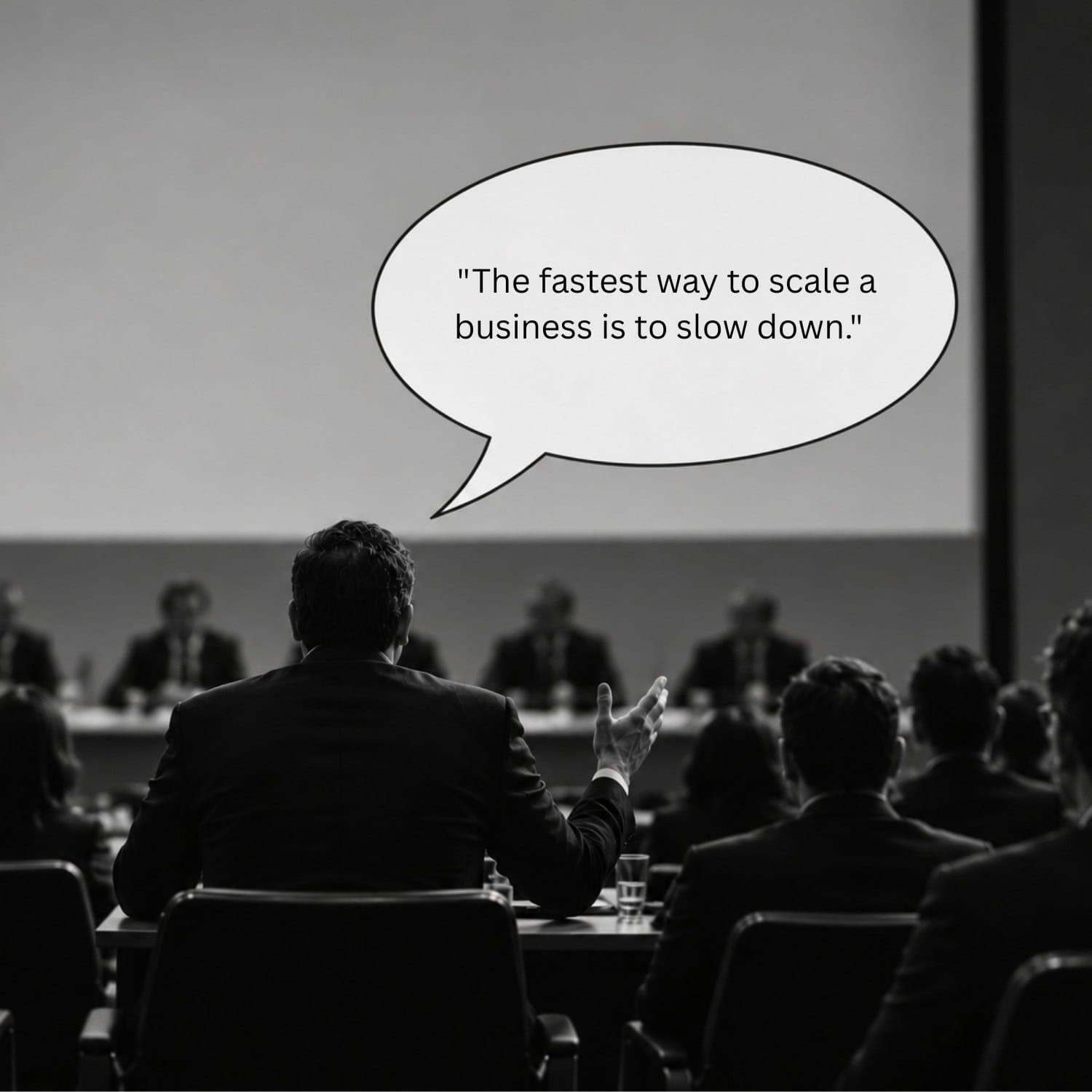
“The fastest way to scale a business is to slow down.”
Disagreement is a natural part of life; or at least, it should be. It’s normal, healthy and, frankly, necessary. Having different opinions from our friends, colleagues and industry peers is no bad thing. In fact, some of the most valuable conversations happen when we don’t see eye to eye.
The trouble is, we’re not always very good at having them. As opinions become increasingly polarised, it’s tempting to stick with people who think like us rather than engage with perspectives that challenge our own. Our social circles and social media feeds can make this even easier, surrounding us with familiar viewpoints and reinforcing what we already believe. Before long, it can feel as though everyone sees the world the same way we do, simply because we’re rarely exposed to evidence that suggests otherwise.
But echoing the same opinions back and forth doesn’t get us very far. It risks widening existing divides, entrenching assumptions and shutting down the very conversations that might help us see things differently.
That’s where Quite Contrary comes in. TechRound’s new series is all about hot takes, unpopular opinions and perspectives that might raise a few eyebrows or make people question what they thought they knew. Each edition begins with one deliberately contrarian viewpoint, before opening the conversation to the wider TechRound community.
This Week’s Contrarian
This week’s hot take comes from John Messer, Founder and Managing Partner of Copilot Capital, who believes that contrary to popular belief, sometimes the best and fastest way to scale a company is to first slow it down.
Do you think John’s opinion is accurate or should businesses attempting to grow be bold and scale quickly?
John Messer, Founder and Managing Partner of Copilot Capital

John Messer is the founder of Copilot, an investment firm backing European software businesses with €5–15m ARR. Before founding Copilot, he spent 15 years in lower mid-market investing at Tenzing, Alchemy and Inflexion. He now focuses on helping bootstrapped founders scale their businesses and become leaders in their categories.
John’s Hot Take
“The fastest way to scale a business is to slow down.”
“Growth-stage businesses are often built on speed and founder instinct, but the leadership behaviours that work at €5m–€15m ARR are rarely the same ones needed to scale towards €50m ARR. Across our software portfolio, we’ve seen founders unlock the next stage of growth by making decisions that initially felt counterintuitive: hiring a first CFO or CRO instead of more individual contributors, restructuring sales around enterprise customers rather than pursuing every opportunity, and replacing founder intuition with scalable operating models and KPIs.
“In one of Copilot’s portfolio companies, SecureFlag, stepping back from day-to-day operations gave the founders the time to launch two new AI products. Another, Priceshape, used the same shift in focus to develop its own AI agent. Counterintuitively, slowing down in the right places creates the foundations for faster, more sustainable growth.”
Our Contrarians:
- Jamie Stewart: Founder and CEO at Binq
- Yann Cramer: Professor of Management Practice, Entrepreneurship and Innovation at ESSEC Business School
- Marco Fiori: Managing Director at Bamboo
- Jay Jung: President and Founder at Embarc Advisors
- Alex Goryachev: AI Advisor and Wall Street Journal Bestselling Author of Fearless Innovation
Jamie Stewart, Founder and CEO at Binq

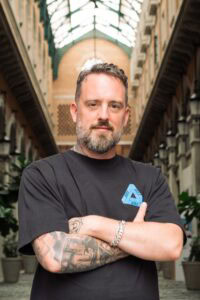
“This shouldn’t be an unpopular position, especially given the old adage about working smarter, not harder. We can all slip into the trap of being a busy fool, so taking a step back to look at the big picture is often the best possible thing you can do to drive a business on to bigger and better things. Yes, you must work hard, but clarity is also vital when building a business. I see too many founders caught up in the day-to-day stresses such as admin and cashflow management, so growth becomes something to focus on after surviving the day. But each day is a new battle when running a business. It’s essential to offload the boring stuff so you can focus on the build.”
Yann Cramer, Professor of Management Practice, Entrepreneurship and Innovation at ESSEC Business School

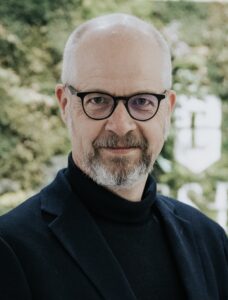
“Scaling is a moment of professionalization. In order to replicate success, the scale-up has to build expertise, not only in product, but also in customer acquisition and success, and in the functions needed to support growth.
“The startup is akin to an amateur sports team: everyone is on the pitch, there are no substitutes and no staff; when someone gets hurt, others have to change position on the spot. As it scales, the team becomes a club: players specialize; more get hired in each specialty to augment the capacity not just to win a few matches but to perform throughout the season; staff are recruited in support functions to take care of people and finances. The journey to elite club will be long, but it has to start with that shift.
“It’s not about slowing down delivery; it’s about taking the time to build a system.”
What advice would you give founders who are reluctant to give up control or step back from day-to-day operations, even when doing so could help their business scale?
“Don’t allow yourself to become the bottleneck in your company’s scaling journey.”
Marco Fiori, Managing Director at Bamboo

“Do it as soon as you can. If you’re still unsure, do it anyway and see what happens, as you can always take back control if you feel the decision has been taken too early. Often it’s the ambiguity that’s worse than the change itself.
“Just make sure you set clear expectations of what you want, find ways to coach your team, understand what they need to empower them and be patient if your people if it takes a little time.”
What advice would you give founders who are reluctant to give up control or step back from day-to-day operations, even when doing so could help their business scale?
“Trust the fact that countless business owners have done the same thing before you to great effect.”
Jay Jung, President and Founder at Embarc Advisors

“Slowing down to speed up sounds counterintuitive, but I agree. There are moments in a business’s growth lifecycle, where doing more, faster, stops producing results. As an M&A advisor, I see a lot of bootstrapped companies get stuck in the $5M “valley of death.” Up to this point, these founders try to do everything themselves. At $5M, you have to make meaningful investments in the team and delegate if you want your company to continue to grow. Determining the roles that will drive the most impact, and recruiting, hiring, and training these employees takes time; time that keeps the founder from day-to-day work. Yet, once these roles are filled, the founder can focus time on strategic initiatives while the day-to-day work still happens.”
What advice would you give founders who are reluctant to give up control or step back from day-to-day operations, even when doing so could help their business scale?
“Founders should realize that even if they can perform every task in their company “better” than anyone else, there are only 24 hours in a day, so hire “more hours” and assign yourself the work that only you can do.”
Alex Goryachev, AI Advisor and Wall Street Journal Bestselling Author of Fearless Innovation
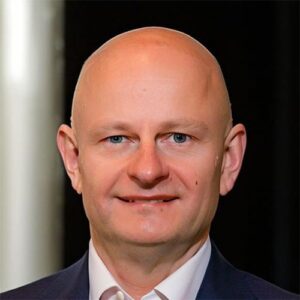
” I agree. At Cisco, I led startup engagement and innovation centers in 14 countries. Founder instinct gets a company started. To scale, the founder has to slow down and get out of the way. In every growing company I have worked with, the founder is the bottleneck. My advice for the Founders: The goal is to delegate. Explain how you make decisions so others can make them. Build a team that is better than you at the things you do worst. Accept that you will lose speed for a quarter or two while they learn. Then bring in AI to carry the routine work, so your people spend their time on judgment.”
What advice would you give founders who are reluctant to give up control or step back from day-to-day operations, even when doing so could help their business scale?
“Founders who stay indispensable are focused, and know how to delegate. Get yourself out of the daily operations, learn to trust others and focus on what matters most.”


