


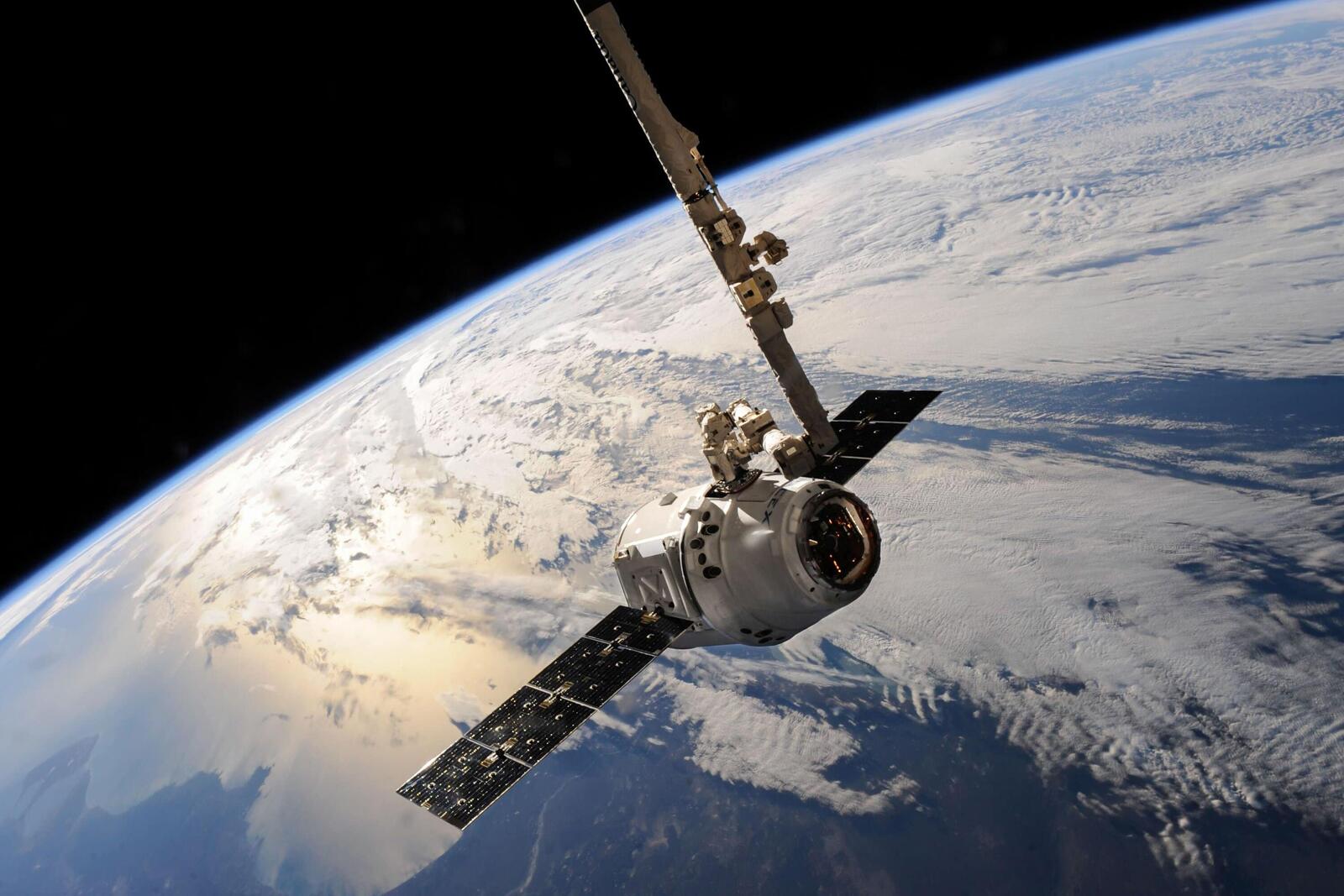
Norway may be better known for its maritime, energy and offshore industries, but it is also developing an increasingly ambitious aerospace and space-tech ecosystem. Norwegian startups are developing technologies that may define the next generation of space exploration, from reusable launch vehicles and rocket propulsion to satellite computing, astronaut equipment, and the utilisation of resources from space.
The country’s distinctive geography makes for an interesting base for aerospace innovation. Its access to the Arctic, a developed engineering base and expanding launch infrastructure offer opportunities for companies working on technologies for satellites, launch systems, human spaceflight and other extreme environments.
Why Do Aerospace Startups Matter?
The space industry is undergoing a major shift, which is why aerospace startups are important. Space is no longer the exclusive domain of governments and a few large aerospace contractors. Now smaller companies can build technology for satellites, launch systems, propulsion, robotics, communications, data analysis and human spaceflight.
Startups can also try things that are less feasible for established companies. They can solve very specific problems, develop new business models and commercialise technologies developed in universities and research institutions. The connection is particularly evident in the Norwegian ecosystem: Tycho Space Technologies, for example, was founded in the NTNU student and research environment, and Solstorm emerged from university rocket projects.
Entrepreneurship also drives growth across the aerospace supply chain. Rather than a single organisation having to develop every component of a spacecraft or mission, specialised startups can provide individual technologies that fit into a much larger ecosystem.
What Are Aerospace Startups Doing For Us?
Space exploration isn’t the only benefit of aerospace startups. Satellites enable communication, navigation, Earth observation, weather monitoring, environmental research, and disaster response. Satellites can help industries track oceans and agricultural activity, and more sophisticated spacecraft can gather data that would be difficult or impossible to gather from the ground.
Aerospace startups are also developing technologies that can be used on Earth. Progress made in robotics, artificial intelligence, materials science, sensors and communications and remote operations can be used in such industries as energy, defence, maritime operations and environmental monitoring
Most importantly, startups help convert space tech into commercially useful services. The growing diversity of the space economy is evident in companies developing satellite data, space resource utilisation, autonomous spacecraft, and human-machine interaction.
Why Do We Need Aerospace Startups?
As humanity’s reliance on space-based infrastructure grows, the need for aerospace startups will likely grow as well. More satellites mean greater needs for launch capacity, spacecraft components, communications systems, data processing and space-debris management. At the same time, ambitions for lunar exploration, commercial space stations, space manufacturing and eventually deeper-space missions present all new technical challenges.
Speed, specialisation and experimentation are what startups can bring to the aerospace industry to help solve these challenges. They can tackle issues that have been too small, too expensive, or too unconventional for bigger organisations to bother with.
Norway is well positioned to take part in this change. Its strong engineering and maritime industries, universities, Arctic knowledge and growing space infrastructure lay a strong foundation for new aerospace ventures. NIFRO’s current startup membership includes companies working across launch systems, space resources, propulsion, satellite technology, and human-machine interaction, showing how diverse Norway’s emerging space ecosystem has become.
More from Startups
- Founder Of The Week: Danny Jenkins
- Top 10 Agritech Startups In South Africa To Watch In 2027
- Startup of the Week: Rainbow Crops
- 8 Startups Crowdfunding w/c 28.09.2026
- Top Aerospace Startups In Saudi Arabia
- The Top 7 Debt Recovery Startups To Keep An Eye On
- Top AI Startups In Australia To Watch In 2027
- Founder Of The Week: Xile He
Norway’s Top Aerospace Startups To Watch
Norway has many startups that are making an impact in the aerospace industry. For startups it is an exciting opportunity to develop highly specialised technologies in Norway, while at the same time contributing to a much larger European and global space economy. Below are some of the promising startups to watch.
Space Lab

Space Lab is developing reusable orbital launch vehicles to help Norway and Europe gain more sovereign access to space. The company’s work ranges from propulsion to structures and launch operations. Space Lab wants to contribute to an entire Norwegian value chain for developing and deploying space systems, not just one part of a launch system. Its vision is to provide high cadence, responsive and cost competitive launches for satellites.
This makes the Space Lab a particularly interesting element in Norway’s developing launch ecosystem. As demand for satellites grows, more flexible access to orbit could be strategically and commercially important for European space companies.
Nåva Space
Nåva Space is developing next generation EVA space suits and astronaut equipment with a human-centred approach to aerospace. The Norwegian startup, established in 2023, aims to enhance how humans operate and live in space. It integrates technologies such as AI, biometrics, and adaptive life-support concepts, with a focus on astronaut safety, mobility, and performance.
An astronaut suit is much more than just a protective garment. They are part of the life support and mobility systems for astronauts that allow people to work where normal equipment cannot. Innovation in astronaut equipment will become increasingly important as missions get longer, including lunar and planetary exploration.
Solsys Mining

Solsys Mining is working in one of the more futuristic areas of the space economy: extracting resources found beyond the Earth. The company develops regolith simulants and resource beneficiation solutions to support the extraction, processing and utilisation of space resources. It combines mineral processing, engineering and consulting with space resources applications.
The idea is important because future missions might not be able to rely fully on resources brought from Earth. In the future, if materials such as lunar regolith can be processed locally, they could eventually support construction, manufacturing or other activities in space. Solsys Mining thus represents an emerging facet of aerospace that extends beyond just getting to space, looking at how humans might actually utilise the environments in space that they discover.
Tycho Space Technology

Tycho Space Technologies, based in Trondheim, is developing on-board computing and data processing technology for satellites. It was established in 2022 by former members of NTNU’s Orbit and SmallSatLab communities. Its TychoBoB platform is an AI board designed for direct data processing in low earth orbit. Tycho is also developing satellite systems that can operate autonomously and take on dynamic tasks.
Handling the information on the satellite itself means you don’t have to send loads of raw data back to Earth. This can make satellite missions faster and more efficient, especially when decisions need to be made quickly.
So, Tycho is at the intersection of satellite technology, artificial intelligence and edge computing, three fields that are poised to become more relevant as satellite constellations grow.
The Coring Company

The Coring Company is another Norwegian startup exploring technologies relevant for space-resource exploration and demanding field environments. Its work has been linked to ground investigation, field-work optimisation and space-mining applications. The company is also part of NIFRO’s Norwegian start-up ecosystem.
As interest in detecting and characterising resources on other planetary bodies grows, coring and subsurface analysis may become more relevant. But before resources can be mined, scientists need to know what’s really down there. The Coring Company’s expertise shows how technologies developed for difficult environments on Earth could be useful for future space missions.
Ntention

Ntention is building technology that makes interactions between humans and machines more intuitive. One of its most important aerospace applications is the Astronaut Smart Glove. The system is intended to enable astronauts to interact with machines via gestures and intention capture, potentially allowing an astronaut in a pressurised EVA suit to control equipment such as rovers or robotic arms.
This is a key area of aerospace innovation as conventional interfaces are not always feasible in space. Astronauts may wear bulky gloves, work under extreme physical constraints, and operate in situations where efficiency matters. Ntention is exploring a new approach to human-machine interaction in space by trying to make machines understand human intent, rather than requiring humans to adapt to complicated controls.
Solstorm Rocket Propulsion

Solstorm Rocket Propulsion is focused on Rocket propulsion and sustainable space transportation. The company was established based on rocket engineering projects at NTNU and has developed propulsion technology for smaller launch vehicles. NIFRO says Solstorm’s technology uses the solar wind and ionospheric environment to help push and de-orbit satellites after their missions. Previous company material has also highlighted the development of hybrid rocket engines.
One particularly important issue that Solstorm addresses is space junk. The increasing number of satellites in orbit makes safe disposal at the end of their operational lives increasingly important. Technologies that allow satellites to de-orbit or otherwise manage their end-of-life phase could thus help to maintain the usability of Earth’s orbital environment.
EmLogic

EmLogic is at the intersection of embedded systems, electronics and aerospace technology. NIFRO lists the company as part of Norway’s space ecosystem and its expertise in embedded systems and FPGA design makes it relevant for applications where reliability, processing capability and efficient hardware are essential.
The electronics required in spacecraft are highly specialised. Systems must work reliably in environments very different from Earth and spacecraft have constraints around power, weight, computing resources and communications. Companies such as EmLogic provide the specialist engineering expertise to turn sophisticated aerospace concepts into functional electronic systems.
O2XR

O2XR is a technology company based in Svalbard working in space, Arctic environments, 3D and VR technologies. The company was founded in 2023 in Longyearbyen and is focused on technology and innovation for extreme environments. Its space work has included documenting, filming, and providing logistical support for human spaceflight activities, as well as developing technology for imaging and filming around crewed spacecraft missions.
The Svalbard location is of special interest. The Arctic offers challenging environmental conditions that can be useful test beds and operational experience for technologies designed for comparable harsh environments. The O2XR project shows how Norway’s Arctic expertise can intersect with its ambitions in space.


