


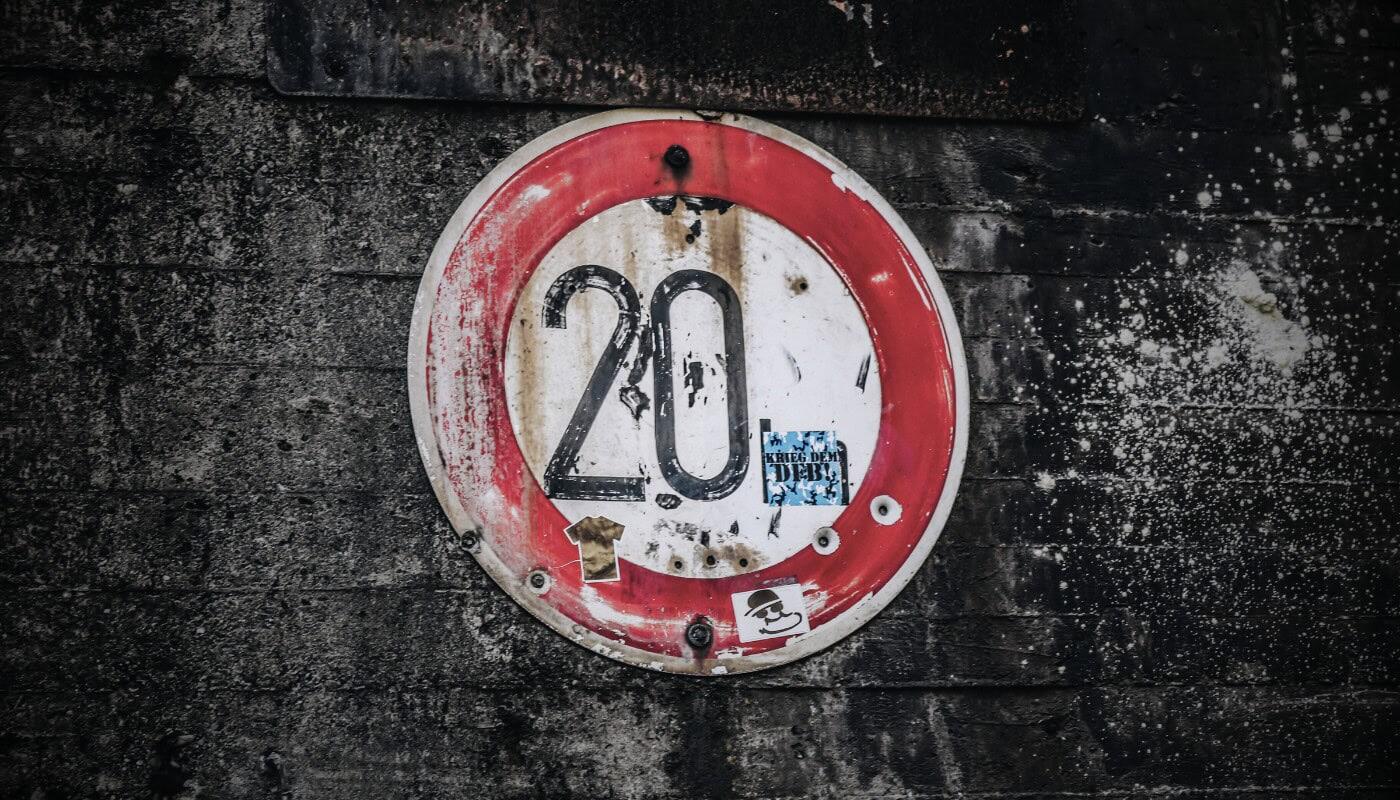
Bake a speed limit sign in the sun for a few years, let the paint crack and a human driver would still recognise a 30 limit without a second thought. Point a high-tech computer vision system at the very same sign and the software might misread it.
It turns out that beating even the sharpest self-driving vehicle algorithms takes just a bit of artificial rust. Designed by researchers at Kyung Hee University and Seoul National University of Science and Technology, an AI system named Adversarial Wear and Tear proves that machine perception remains remarkably easy to fool.
Here’s the detail that makes this interesting: for more than a decade, Google has used reCAPTCHA to extract exactly this kind of labelled data from Street View imagery. It does this by requesting users to click all the traffic lights, select crosswalks, and identify the storefront signs from a selection of blurry images.
Google acquired reCAPTCHA in 2009 and redesigned it in 2012 specifically to turn human puzzle-solving into free labelling for its Maps and vision systems. Billions of solved CAPTCHAs later, a sign that’s faded or cracked can still break the class of model all that labelling was meant to train.
How Algorithms Learn To Age A Sign
AdvWT uses a StarGAN-v2 generative model trained on side-by-side images of pristine and harshly damaged road signs.
The algorithm maps out a damage style profile that captures realistic wear such as fading, cracks, rust, peeling paint and grime while keeping the underlying meaning intact. The system then fine-tunes subtle tweaks inside that weathering profile, producing signs that appear completely ordinary to people but trigger systematic errors in target vision models.
In a human study with 32 participants, AdvWT-generated images were rated as highly natural, closely matching the perceived realism of actually damaged signs. When pitted against eight distinct vision architectures across two road sign datasets, spanning lightweight models such as ResNet-18 and MobileNet alongside complex transformers, the system achieved almost flawless success rates.
The engineered decay showed high transferability, so images tailored to fool a target routinely tricked completely different systems. Printed versions tested in real-world environments held up under changing angles, distance shifts and harsh lighting, confirming that the flaw translates from the lab screen to the roadside.
The method marks a break from earlier visual techniques. Previous attempts to fool vision models relied on obvious stickers, posters or unnatural overlays that stood out to any attentive observer. AdvWT mimics standard environmental wear, lingering in physical spaces until local crews repair the sign while giving motorists no indication that something is amiss.
Why Billions Of Labels Didn’t Fix This
AdvWT points to a frustrating truth in machine learning, namely that sheer volume of training data is still no substitute for durability.
Common datasets, including the wide range of Street View libraries categorised with reCAPTCHA, simply lack enough examples of cracked, faded or rusted signage. Adding more labels boosts baseline test scores, but it leaves models unprepared for the long tail of physical decay found on real roads.
AdvWT shows that ordinary weathering can push an image straight into a vision model’s failure zone, even though human drivers read the same sign without a second thought. This highlights the shortfall between hoarding massive amounts of training data and gathering data that actually reflects what systems encounter on roads.
What Does This Mean For Autonomous Vehicles?
Advanced vehicle safety setups combine cameras, radar, lidar and map overlays to ensure one misread sign doesn’t result in catastrophe.
However, the vulnerabilities still compromise safety margins. Correlated misclassifications in difficult driving environments such as night-time rain or heavy glare degrade software stability and force overly hesitant driving. Should regional infrastructure age at the same rate, a model susceptible to visual decay risks failing across an entire municipality instead of misreading just one random piece of metal.
Safety certification for driverless systems now hinges on demonstrating that perception software handles actual physical decay, instead of spotless test images. By pinpointing how easily natural wear breaks model logic, AdvWT moves beyond theoretical research to target the core of safety approval.
From Flaw To Patch
The utility of AdvWT isn’t just breaking vision models. Its two-way model can actually digitally repair worn signage in raw image collections, making them easier to annotate. Even better, exposing AI vision setups to AdvWT-generated weathering greatly improves their accuracy when encountering aged infrastructure. That turns the research into a truly valuable diagnostic and training tool rather than just a breakdown of technical flaws.
What the study leaves open is where safety boundaries ought to be set. If physical damage causes an algorithm’s certainty to dip below an acceptable level, a vehicle could defer to map history, slow down out of caution or prompt human intervention.
AdvWT offers a way to calculate exactly how different types of decay undermine vision architectures, giving the industry the evidence base needed to set sensible rules. The real question is whether carmakers establish those standards proactively or wait for a public failure to force action.


