


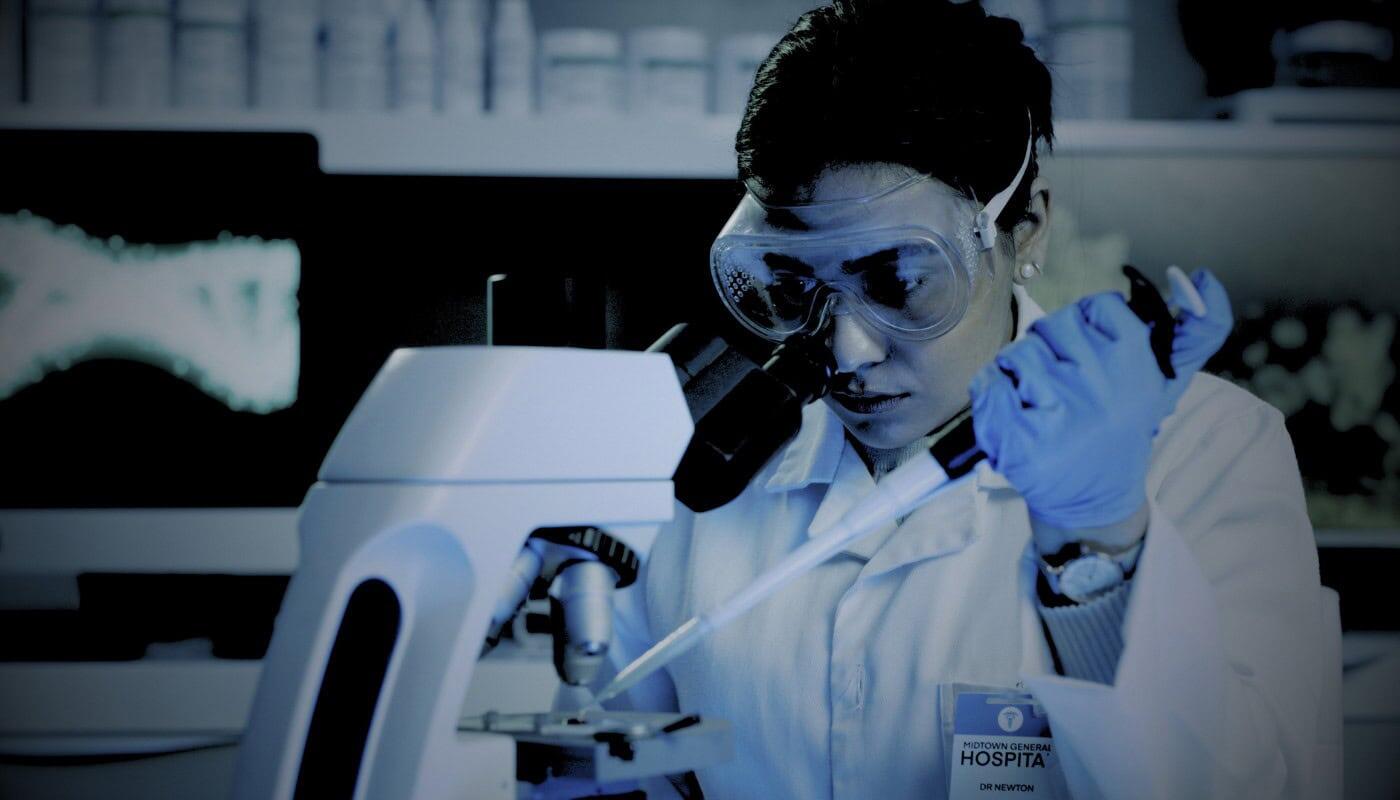
Patience is often the biggest asset in biotech. With therapeutics taking 10 years to land in patient hands and diagnostic tools spending years in rigorous testing, the entrepreneurs who make a lasting mark are seldom those making the most noise at the start.
Women are very much among those staying the distance. Even though female executives hold a mere 18.7% of biotech CEO positions worldwide, founders across Spain, Kenya and Colombia are pioneering new diagnostics, medical devices and targeted treatments for neglected health conditions.
The Numbers Behind The Names
Female-led biotech businesses secured 15% of total sector funding in 2025, up from 8% the previous year, but this surge mostly relied on just three big deals. Without those deals, female founders received only 6% of early-stage venture money, which pays for the leap from lab bench validation to real patient care.
Women-led startups also accounted for only 11 of 72 biopharma acquisitions in 2025. But when the Bayer Foundation Women Entrepreneurs Award drew 1,172 applicants from 124 countries to choose 15 winners, it brought attention to the deep pool of talent operating beyond traditional financial hubs.
The women on this list show that talent in practice. Many are building for settings the big players overlook, from rural clinics in Kenya to parts of Colombia and Venezuela with little access to mammography.
More from Tech
- The F1 Technology Gold Rush: The Growing Value Of Motorsport Partnerships
- Designed for Every Mind, Or Just the Average User? How Technology Is Rethinking Cognitive Accessibility
- Top Agtech Startups In Ireland To Watch In 2027
- The Convenience Paradox: Is Technology Giving Us Time Back?
- The Supersonic Comeback: Can Modern Aviation Solve Concorde’s Biggest Problems?
- Are We Taking Noise Cancellation Too Far? Why Open-Ear Audio Technology Offers An Alternative
- Apple’s First Foldable Is Cracking For Some Owners – What Does It Show About Launching New Hardware To Stay Competitive?
- Beyond Roblox: Are Digital Platforms Addressing Online Grooming?
The Top 8 Women In Biotech To Watch In 2026
Plenty of women are changing biotech right now, and these eight, working across diagnostics, gene therapy and global access, are some of the ones to watch.
1. Judit Giró Benet, Co-Founder And CEO Of The Blue Box

Judit Giró Benet started her bachelor thesis at the University of Barcelona in 2018 after hearing about dogs that can sniff out disease, and wondered whether an engineer could copy the trick. It became The Blue Box, an electronic nose that reads a urine sample, backed by a Scientific Reports paper and a 2020 James Dyson Award.
The business has raised €4.6 million and is preparing for a clinical trial. The goal is to support traditional mammograms for women with dense breast tissue, a group for whom, Giró says, mammography accuracy can drop below 50%. Her work earned her second place in the Rising Innovators category at the European Prize for Women Innovators 2026.
2. Neide Vieira, Co-Founder And COO Of IPLEXMED
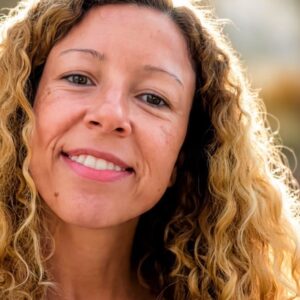
With more than 18 years of research experience in molecular and cellular biology across four countries, Neide Vieira co-founded IPLEXMED out of the University of Minho. Based in Braga, the venture uses graphene biosensor technology in its NEXAGUARD platform to bring rapid, lab-grade infection diagnostic testing directly to field settings.
The platform has reached technology readiness level six, and Vieira has raised more than €650,000 in competitive funding and holds multiple patents. She placed third in the EIT Women Leadership category of the European Prize for Women Innovators 2026.
3. Salma Tammam, Founder And CEO Of Reme-D

After completing a PhD in nanomedicine at the University of Bonn, Salma Tammam spent more than 15 years in research, including a tenure as an associate professor at the German University in Cairo. A nationwide shortage of imported PCR kits during the pandemic prompted her to lead a joint initiative creating budget-friendly local alternatives, laying the groundwork for Reme-D.
The business uses freeze-drying to manufacture molecular diagnostic tests that withstand heat above 30°C without cold-chain storage and return results in less than 15 minutes. Backed by a $1.45 million pre-Series A round led by Anara Impact Capital, the venture has supplied over 550,000 tests across Egypt, Kenya and Sudan.
4. Dr Alice Muhuhu, Founder Of Aurora Health Systems

Working in a rural Kenyan clinic in 2019, Dr Alice Muhuhu watched patient after patient miss crucial follow-up visits, returning too late for early help to make a difference. The shortage is acute: Kenya counts around 30 cardiologists for upwards of 50 million citizens, and has fewer than 6% of facilities equipped to handle heart conditions.
Her answer is MoyoECG (moyo is Swahili for heart), a portable AI-enabled ECG that works without internet or mains electricity, with early pilots cutting interpretation from about 30 minutes to under five. Aurora Health Systems has worked with over 100 clinics. Muhuhu is a Bayer Foundation Women Entrepreneurs Award 2026 winner and was a finalist for the 2026 Africa Prize for Engineering Innovation.
5. Ifeoluwa Dare-Johnson, Founder And CEO Of Healthtracka

Ifeoluwa Dare-Johnson founded Healthtracka in 2021 to make diagnostics easier in Nigeria. People book a lab test online, a phlebotomist collects the sample at home and results arrive digitally. By its $1.5 million pre-seed round, led by Ingressive Capital and Hustle Fund, it had handled 7,000 bookings for 5,000 users across seven cities.
Dare-Johnson also founded the Banking on Women’s Health Conference and published the State of Women’s Health Report for Nigeria in 2025. She completed a Sloan Fellows MBA at MIT in 2026 and says Healthtracka has reached breakeven.
6. Maria Artunduaga, Founder And CEO Of Samay

Maria Artunduaga’s path into biotech was anything but straightforward. She completed a genetics postdoc at Harvard and earned a place in a plastic surgery residency at the University of Chicago, making her the first woman from a Latin American medical school to achieve that feat, before retraining in public health and technology. Her grandmother’s death from COPD ultimately inspired her to build Samay.
Samay’s Sylvee patch uses acoustic sensors and AI to catch small airway damage years before spirometry can. The company has raised about $7 million, half of it non-dilutive, holds 24 patents in 16 countries and won MedTech Innovator’s Global Grand Prize in 2024 out of 1,300 companies. It’s now running clinical trials in Colombia ahead of FDA clearance.
7. Valentina Agudelo Vargas, Founder And CEO Of Salva Health

Valentina Agudelo Vargas designed the first version of Julieta at 21 as a university class project. It’s now a portable AI-powered device built to pre-screen for breast cancer where mammography is hard to reach, and Salva Health has reportedly screened more than 2,500 women in Colombia and Venezuela.
Agudelo won the Princess of Girona Prize in 2025, Salva Health was one of five winners of the 2026 WeXchange Women STEMpreneurs competition from more than 350 applications, and she’s a Bayer Foundation Women Entrepreneurs Award 2026 winner.
8. Sulagna Bhattacharya, Co-Founder And CEO Of Nanoscope Therapeutics
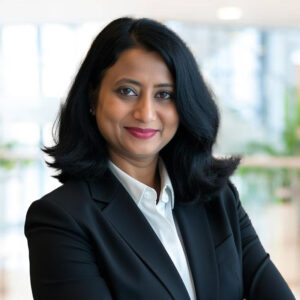
Sulagna Bhattacharya spent more than ten years in management consulting with Deloitte and Hitachi before co-founding Nanoscope Therapeutics, spurred on by inherited retinal conditions within her own family. The company’s lead therapy, MCO-010, uses optogenetics to restore sight regardless of the underlying genetic mutation, a field that gained new global momentum following the 2026 Nobel Prize in Physiology or Medicine.
The FDA is reviewing Nanoscope’s biologics licence application for retinitis pigmentosa, a Japanese application is under priority review and the therapy holds Fast Track and Orphan Drug status. Bhattacharya serves on the board of the Biotechnology Innovation Organization and won the EY Entrepreneur Of The Year 2022 Central Plains Award.


