


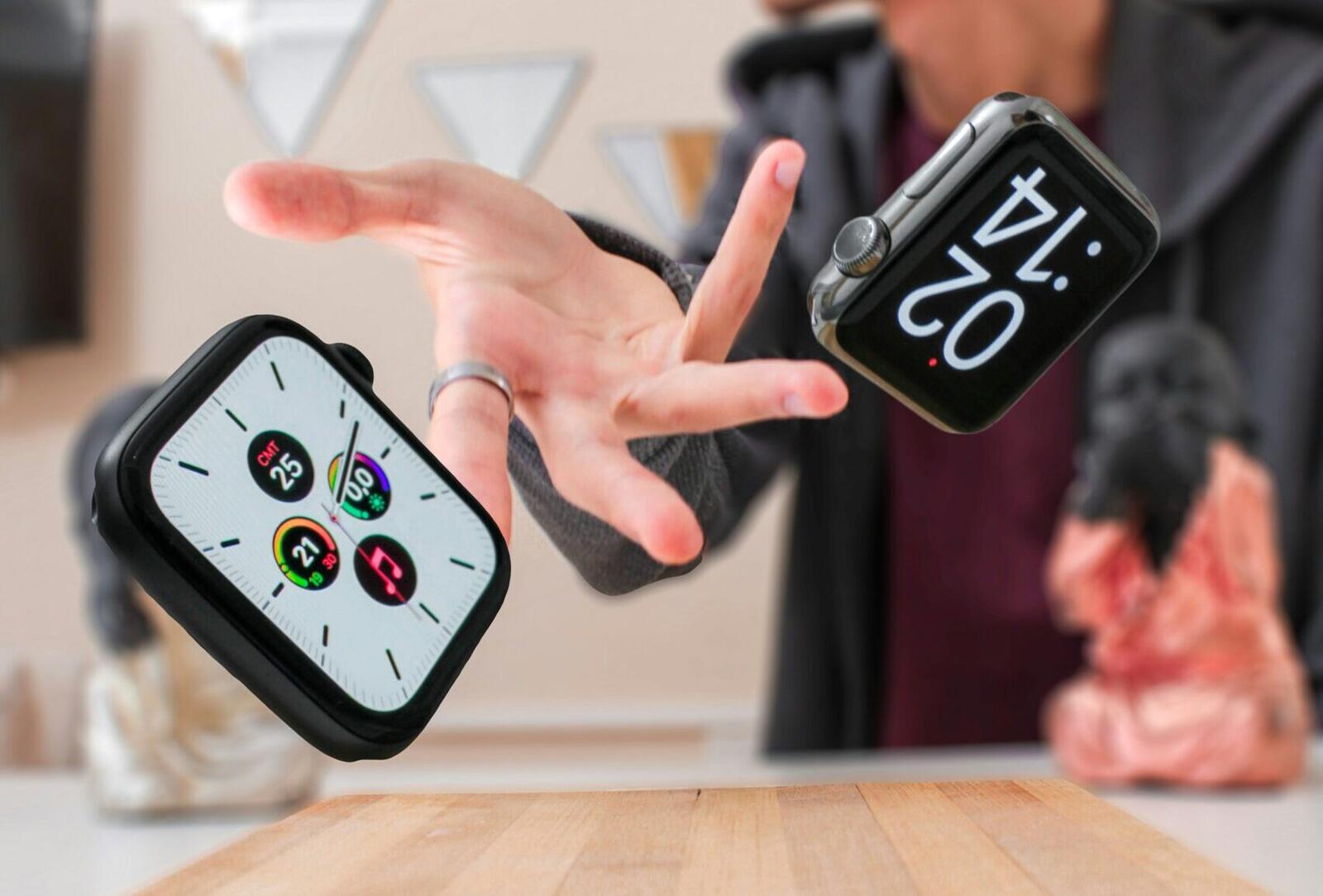
The latest research from the University of Rochester Medical Centre is capturing attention with its innovative way to monitoring Parkinson’s disease through smartwatches.
This study is conducted with the user favourites- the Apple Watch and iPhone- to observe symptom changes in individuals at early stages of Parkinson’s.
Jamie Adams, MD, Associate Professor of Neurology at the University, shares her insights and faith in the benefits of this technology: “Smartwatches provide real-time, objective snapshots of disease progression. We’re at the forefront with this approach, using devices people wear every day to monitor their health.”
What Insights Did The Study Provide?
The year-long WATCH-PD study brought out valuable data. Devices recorded variations in movement, tremor, and speech, taking note of specific changes like decreased arm movement and daily activity. This method of data collection has a continuous look at the condition, which is more difficult to do with traditional clinical assessments.
“This method allows us to capture day-to-day changes that often go unnoticed in standard medical exams, helping us create a clearer picture of how the disease develops,” said Adams.
What Are the Benefits Of Using Smartwatches?
Using smartwatches to monitor health has a few advantages:
Continuous Monitoring: It captures ongoing changes in symptoms, so that there is a full view on a patient’s health.
Easy Data Collection: Patients can have their health monitored without frequent hospital visits.
Quick Detection: It helps identify early signs of symptom escalation, which possibly could end up leading to faster and more specific responses.
More from News
- Two Thirds of Brits Are Telling AI Chatbots Their Secrets But Don’t Trust The Companies Behind Them
- Video Game Companies Are Abandoning “Buy Our Console To Play This” – Here’s Why
- UK Gambling Operators Face New Deposit Limit Rules From 30 September
- How A Ransomware Gang Hijacked A Rival Gang’s Website – And Is Now Extorting Them For “2.333% Of Their Net Worth
- Meta Promised Unmatched Privacy For Muse – So How Did Researchers Crack It So Quickly?
- Digital Avatars Are Bringing Deceased Artists Back To The Stage – Where Do We Draw The Line?
- Can Europe Solve Its Critical Minerals Problem Fast Enough To Support Its Tech Ambitions?
- Google Has Agreed To A £260 Million Settlement: Who’s Eligible For Compensation?
How Does This Change Future Treatment Approaches?
The integration of everyday technology could really change future treatment methods, in turn making it easier to evaluate and approve new therapies.
Diane Stephenson, PhD, Executive Director of the Critical Path for Parkinson’s consortium and co-author of the study, believes this approach is transformative: “This project demonstrates how combining technology with patient care can revolutionise our understanding and treatment of diseases.”
This cooperative effort makes sure that the study’s findings consider diverse perspectives, combining scientific rigor with patient-centered insights.
What’s To Expect For Further Parkinson’s Research?
Due to this being so successful when it came to results, the research team is extending the study for an extra 18 months of investigation, supported by the Michael J. Fox Foundation. The goal is to refine these digital tools so its used more in clinical trials.
“Extending our study will allow us to adjust these digital methods, potentially making them a standard tool in clinical settings, which could accelerate the introduction of new treatments,” mentioned Adams.
What Additional Benefits Do Smartwatches Offer for Parkinson’s Research?
Recent research has further demonstrated how smartwatches can provide more benefits in monitoring Parkinson’s disease that go beyond standard symptom tracking.
Innovative features explored in the study:
Environmental Interaction Tracking: The study explored how environmental factors like temperature and noise levels impact symptoms, using the integrated sensors in smartwatches.
Sleep and Activity Patterns: In looking at sleep quality and daily activity levels, researchers can see correlations between rest patterns and symptom fluctuations.
Medication Adherence Monitoring: Smartwatches were used to remind participants to take medication and subsequently track any immediate effects on symptoms.


