


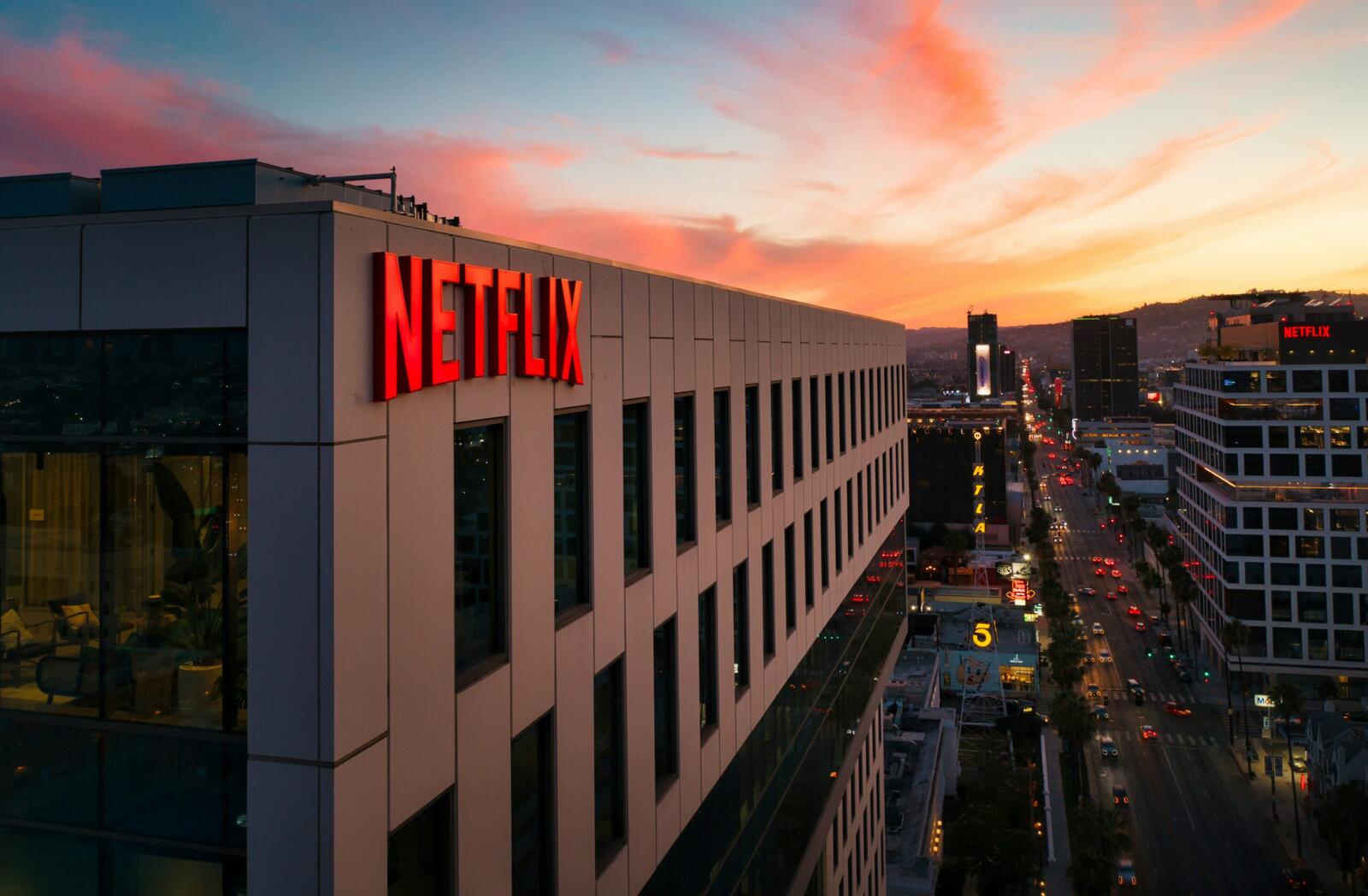
Netflix has done it again. Another price hike, another round of subscriber side-eyes and another signal that the golden age of cheap streaming may well be over. It was good while it lasted, right?
The streaming giant’s latest adjustment pushes its ad-supported tier to $8.99, its standard plan to $19.99 and its premium offering to a hefty $26.99 – not cheap, by any standards. On paper, the increases might seem incremental. In reality, they’re part of a broader shift that extends far beyond Netflix, and one that startups and tech companies should be paying close attention to.
Because this isn’t just about streaming anymore. Now, it’s about the evolution and potential limits of the subscription economy.
From Growth Hack to Revenue Engine
For the better part of a decade, Netflix helped define the modern subscription model. Low prices, high convenience and seemingly endless content made it an easy sell. It wasn’t just a product; it was a habit.
But like many tech companies, Netflix initially prioritised growth over profitability. Subscriptions were priced to attract and retain users, not necessarily to maximise margins. Now, that strategy is being reversed.
The company – alongside competitors like Disney+ and Amazon Prime Video – is entering a new phase. Now, it’s extracting more value from an already saturated user base. In startup terms, this is the shift from user acquisition to monetisation. And it’s happening everywhere.
“More Features” Means More Costs
Netflix justifies its price increases by pointing to added value. That is, things like live streaming, gaming integrations, improved personalisation and a more robust content pipeline.
From a product perspective, this makes sense. Tech companies are wired to iterate, expand and layer on new features. But here’s the catch: not all features are equally valued by users.
There’s a growing disconnect between what platforms build and what consumers actually want. Are users really subscribing for mobile games and experimental formats, or are they there for good shows at a reasonable price?
For startups, this is a critical lesson. More features don’t always equal more value, and bundling them into a higher price can backfire if users don’t perceive the benefit.
More from Business
- Five Themes To Watch At Singapore FinTech Festival 2026
- How Is The UAE Attracting More Businesses?
- Why Are Brands Turning To Pop-Up Stores Instead of Permanent Shops?
- How AI Video Indexing Is Reshaping Influencer Marketing And Creator Content Strategy
- What Is The UK Doing To Attract More Entrepreneurs?
- Is Singapore’s Small Market Actually Its Biggest Strategic Advantage?
- What Is The US Doing To Attract Entrepreneurs?
- How Have SHEIN And Temu Gamified Online Shopping?
Subscription Fatigue Is Real, And We’re Feeling It
Consumers today aren’t just paying for Netflix. They’re juggling multiple subscriptions – streaming, music, fitness apps, productivity tools, cloud storage and more. Honestly, it’s becoming hard to keep up.
Individually, each service feels affordable, but collectively, they add up.
This is where “streamflation” becomes more than a buzzword. It reflects a broader fatigue with recurring payments, especially as prices creep up across the board.
In emerging markets, the impact is even sharper. Dollar-based pricing, combined with currency fluctuations, can turn a modest increase into a meaningful financial strain, and what feels like a small bump in the US can feel like a steep climb elsewhere.
The result is that consumers are becoming more selective. They’re rotating subscriptions, downgrading tiers or shifting toward free, ad-supported alternatives.
This Is A Risky Bet on Loyalty
Netflix’s pricing strategy ultimately hinges on one assumption: that users are loyal enough to absorb the increases.
So far, that’s largely been true. The platform’s scale, brand strength, and content library give it a competitive edge. But there are limits.
At a certain point, price increases stop feeling incremental and start feeling excessive, and when that tipping point is reached, even the most entrenched habits can break.
For startups building subscription-based products, this is the real takeaway. Pricing power isn’t infinite; it’s earned, and since it’s been earned, that means it can be lost.
A Shift for the Subscription Economy?
Netflix’s latest move is a litmus test for the entire subscription model. If users continue to accept rising costs, it validates a future where platforms steadily increase prices to drive profitability.
But if churn starts to climb, it could force a rethink. We may see a shift toward more flexible pricing, clearer value propositions, or even a return to simpler, leaner products. In some cases, companies might need to prioritise retention over expansion – a reversal of the growth-first mindset that defined the last decade of tech.
But the thing is clear here: the era of ultra-affordable digital services is fading.
And Netflix isn’t just raising prices. It’s redefining what consumers should expect to pay for premium digital experiences, and whether users agree with that redefinition is another question entirely.
For now, the message to the tech world is simple: the subscription model still works, but it’s being stress-tested in real time, and not every company will pass.


