


Can you believe the conversation around AI and photography began with the moon and a phone?
Well, in 2020, Samsung’s S20 Ultra promised 100x “Space Zoom”, with images that captured crisp lunar detail. Those photos quickly spread online until 2023, when a Reddit user known as “ibreakphotos” posted a thread claiming “Samsung space zoom moon shots are fake, and here is the proof”.
The post went viral, and it created a sense of unease that many had felt. The images looked almost too perfect… The user wrote, “While these images are not necessarily outright fabrications, neither are they entirely genuine.”
So this brings in the question: where does the camera end and software begin?
Can Software Replace Expensive Camera Gear?
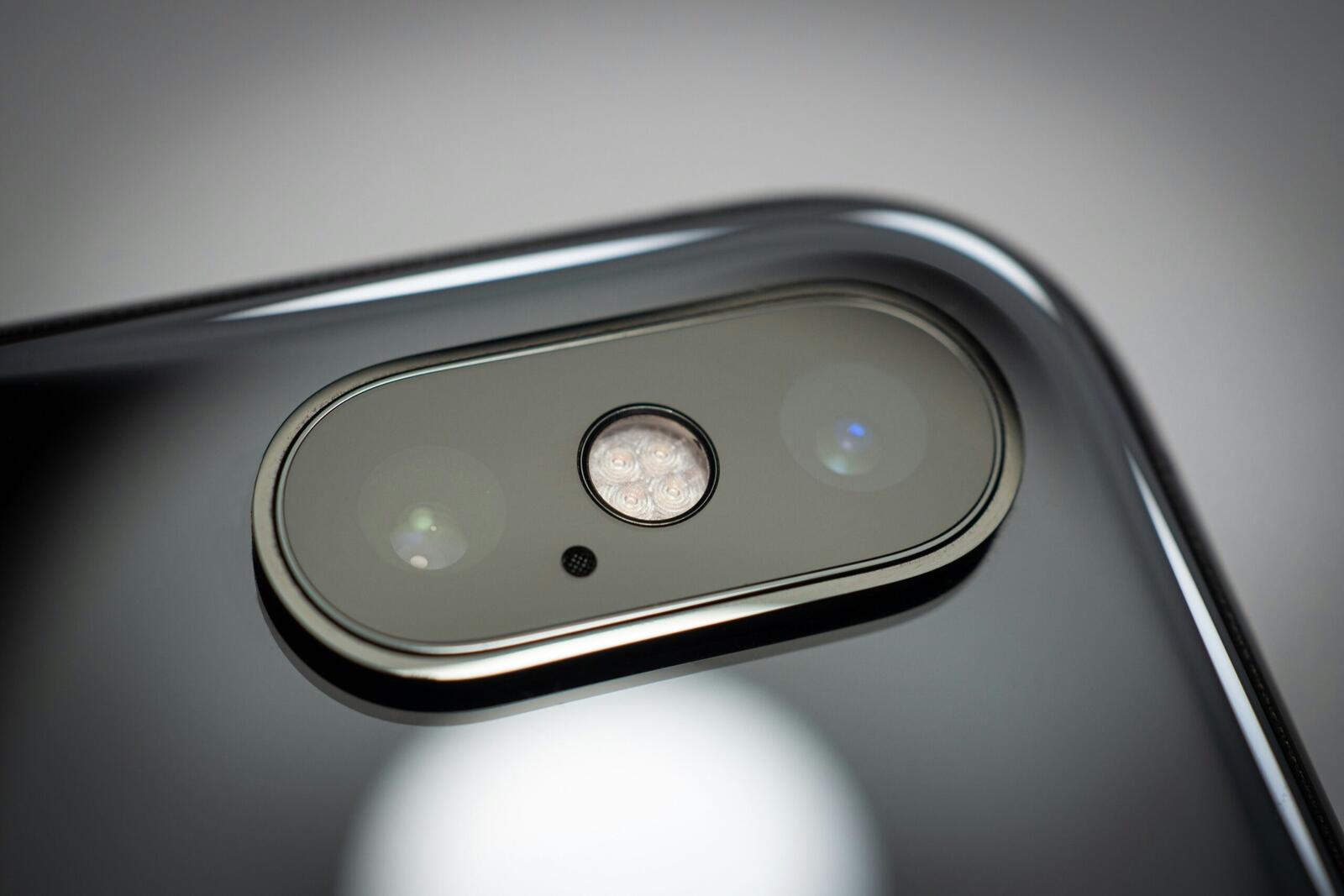
Impact Newswire reports that Google’s Pixel 10a mainly uses computational photography, so instead of relying on large lenses and thick camera bumps, the phone uses AI-driven reconstruction to build detail from flatter sensors. The report describes this as “a triumph of software over matter”.
It essentially captures less physical data so that it rebuilds through processing. Multi-frame synthesis and AI deblurring fill in gaps that hardware once handled.
This sounds appealing for those who cannot afford expensive cameras and equipment, right? A thin phone can now produce images that feel close to pro quality which completely changes who gets to access professional photgraphy because it lowers the cost of entry.
An Aftershoot survey of over 1,000 photographers gives a better idea of how deep this change really goes. It shows that more than 90% now use AI tools for editing and retouching and 80% use AI for selecting images. The report says “AI handles the heavy lifting, humans make the final calls”.
It also finds that 81% of photographers said they reclaimed work-life balance after adopting AI workflows. Editing that once took hours can now take minutes because AI cuts the time down.
This changes the value of expensive gear because if software can correct exposure, refine detail and even generate missing elements, then the difference between a £1,000 setup and a £5,000 one starts to feel a lot less significant.
More from Artificial Intelligence
- What Are The Real-World Risks Of AI Hallucinations?
- If OpenAI Goes Public, Will That Validate Or Burst The AI Bubble?
- Experts Comment: What If AI Isn’t The Threat To Education We Think It Is?
- Healthcare Isn’t Europe’s Biggest AI Adopter, But It Is Seeing The Best Returns
- Quite Contrary: AI Will Replace Certain Jobs, According To Philip Huthwaite
- UK SMEs Have Increased AI Spend By 1,000% – But Is It Actually Paying Off?
- UK Startups Are Stuck Between ChatGPT Demos And Production AI
- Dario Amodei’s Three-Step Plan For “Pacing The Frontier” Of AI Development Explained
Are Photographers Happy With AI Images?
Photographers are not entirely happy with this and Robert Triggs, Head of Testing and Data Science at Android Authority, says the difference is visible. He writes, “One thing that continues to draw me to using my mirrorless over all but the very best smartphone cameras is a more natural look to my pictures.”
He adds that even top phones show “telltale signs of overprocessing”, such as oversharpened skin or overly dark shadows, all things that are complained about a lot online.
A poll cited by Android Authority shows that 64% of respondents said they do not like modern phone camera processing and only 6% said it is great.
Triggs says this about the limits: “You can’t beat physics, and when it comes to taking brilliant pictures that feature real detail, you still need large pixels and high-quality optics to capture that light. AI cannot replace good hardware.”
That view is common within the photography community as many artists see AI-heavy images as less authentic. The discomfort is goes as far as how the culture is impacted, over and above being an issue for the equipment enthusiasts. Photography has long been associated with the idea of capturing reality but now, AI complicates that idea.
Does AI Make Expensive Cameras Less Worth It?
The answer depends on who is asking because for new photographers or those on tight budgets, AI opens doors. A mid-range phone or camera together with good software can deliver results that once needed costly equipment. The Aftershoot data shows that photographers are not abandoning tools, but building hybrid workflows where AI handles repetitive tasks.
High-end hardware keeps its place as devices with larger sensors and better optics will always produce the cleaner, more reliable data. That becomes important when images need to hold up in professional work.
On the business side of this, the Aftershoot survey finds that 60% of photographers are investing in premium client experiences instead of lowering prices. Only 7% plan to cut prices, even with AI saving time. This speaks to value existing as much in service and style as in the camera itself.
The camera is no longer the only sign of quality because now, the process behind the image carries equal value.


