


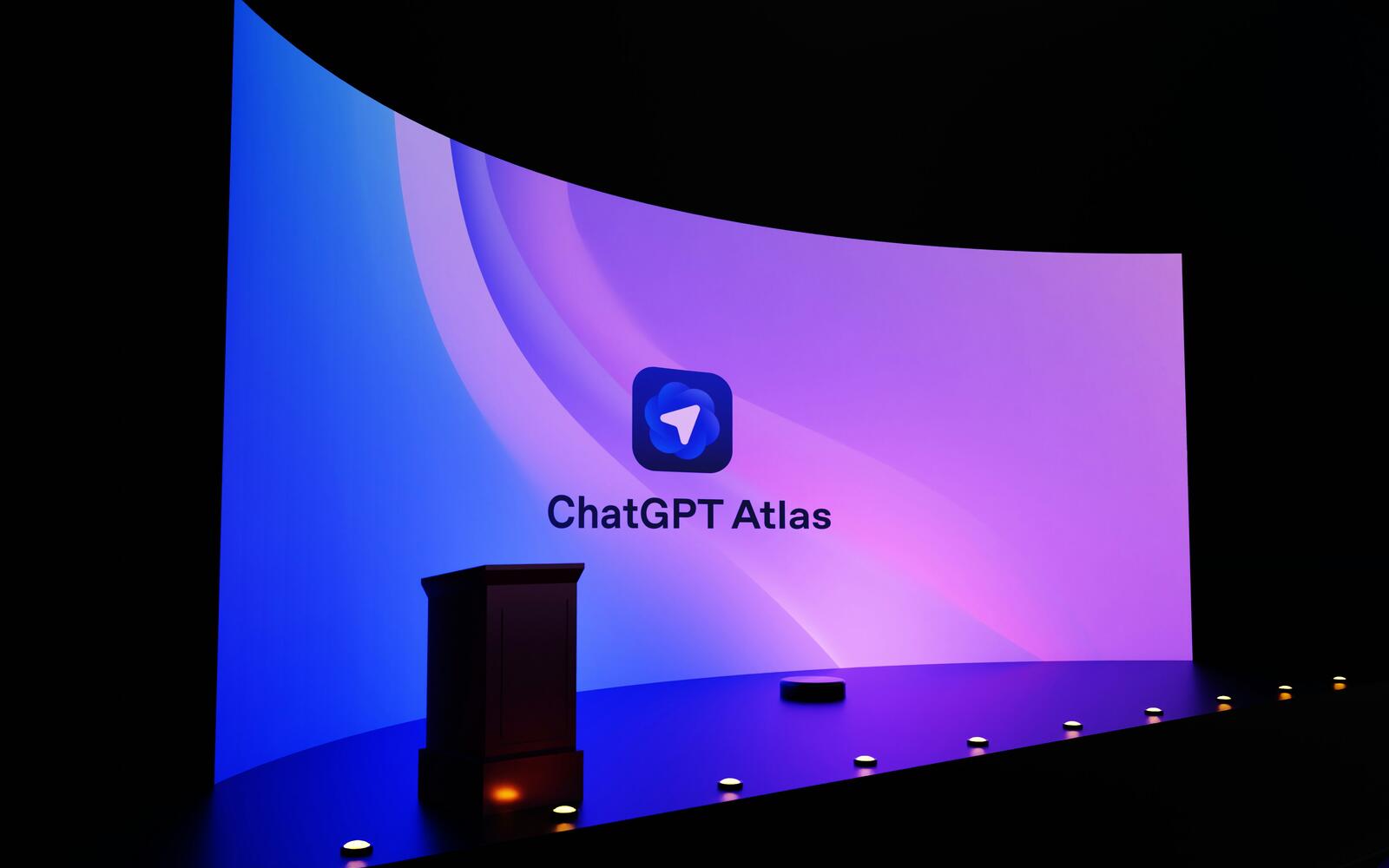
Almost a year ago, we were introduced to OpenAI’s browser feature, Atlas. Now, almost a year later, the company announced, “Atlas is scheduled to stop working on August 9, 2026. Before then, export or save any important Atlas data, including bookmarks and pages you want to keep. After that date, Atlas may no longer open, browse, or support browser-based agentic workflows.”
This was an interesting announcement given the fact that, not long before that, the company had announced its new ChatGPT model, GPT-5.6. The timing felt very “out with the old, in with the new”, especially since this new model promises a lot more than Atlas is currently offering. But before we get into that, let’s get into Atlas’ journey…
What Happened To Atlas?
A few months ago, OpenAI’s CEO of Applications, Fidji Simo, had plans for his team to cut down on what he referred to as “side quests”, which was likely also what led to the closure of Sora.
In the October Atlas announcement, the company explained, “With Atlas, ChatGPT can come with you anywhere across the web – helping you in the window right where you are, understanding what you’re trying to do, and completing tasks for you, all without copying and pasting or leaving the page. Your ChatGPT memory is built in, so conversations can draw on past chats and details to help you get new things done.”
OpenAI had plans to compete with Google directly, but it has since decided to move things around and keep ChatGPT as the main feature.
The company believes that this closure is more of a lesson than it is a failure. James Sun on OpenAI’s product team even said in a thread that discussed these updates, “All these capabilities were built on what we learned from Atlas users who took a leap of faith on a new browser.
“You taught us how agents can help make browsing and doing work on the open web better, and we are applying these learnings to these new products.”
More from News
- I Woke Up To A Meta Account. When Did I Agree To That?
- Vidoser Launches AI-Powered Platform To Streamline Creator Marketing For Brands And Agencies
- Office Freedom Named Agency Of The Year And Deal Of The Year 2026
- A “Power Event” At Google Cloud’s London Region Affected Revolut And European Banks – What Happened?
- Anchor Launches Action Index, Cutting Computer-Use Agent Token Costs By 100X
- Anthropic Selects Build Circle As A UK Partner To Help Supercharge AI Realisation For Clients
- An OpenAI Engineer Is Charged Over A $14 Recording Device – What Does It Say About Security At AI Labs?
- Mhance Acquires CPS And City Dynamics To Strengthen Its Copilot, Modern Work And Business Solutions Capabilities
Goodbye Atlas, Hello GPT-5.6
This was not all bad because, in that same thread, Sun spoke of some updates that are to be expected in the new model. Sun started the thread, saying, “Big drop today with 5.6, ChatGPT work, brand new desktop app, and more!”
He spoke of three major ChatGPT updates in the thread: an in-app browser, a cloud browser, and a side chat feature that works with Codex.
The in-app browser is a built-in web browser within the ChatGPT desktop app, meaning you do not need to leave ChatGPT to open websites, documents, or dashboards. It now has features people expect from a modern browser, such as multiple tabs, downloads, password managers, autofill, and full sign-in with passkeys – all the features you’d usually find on Chrome, for example.
James Sun says this makes it much easier to work with ChatGPT because you can open sources, documents, and citations produced by an agent without constantly having to go between apps or copy and paste links. The browser lets users review information and work with ChatGPT in one place.
The cloud browser gives your AI agent its own browser running remotely when using ChatGPT Work mode. Rather than only asking ChatGPT to search the web, users can ask it to carry out web-based tasks.
James Sun says it works well for searching websites with constantly changing information. So, things like looking up flight and hotel prices would work well with this feature.
Then, there’s the side chat, which brings ChatGPT and Codex into Google Chrome through a browser extension. Users can now open a chat next to the webpage they are viewing without switching back to the ChatGPT app.
A Busy Week For OpenAI
These are not the only big announcements this week. Just a few days before the launch of GPT-5.6, OpenAI introduced GPT Live, which the company says is a new way to interact with ChatGPT through natural spoken conversations. Users can interrupt or ask follow-up questions naturally while the conversation keeps flowing without needing to restart prompts.
All of these are an indication that, although the company has shut down some plans, growth is evidently still a very big priority at this stage. For now, we’ll be looking at how users end up interacting with the new features.


