


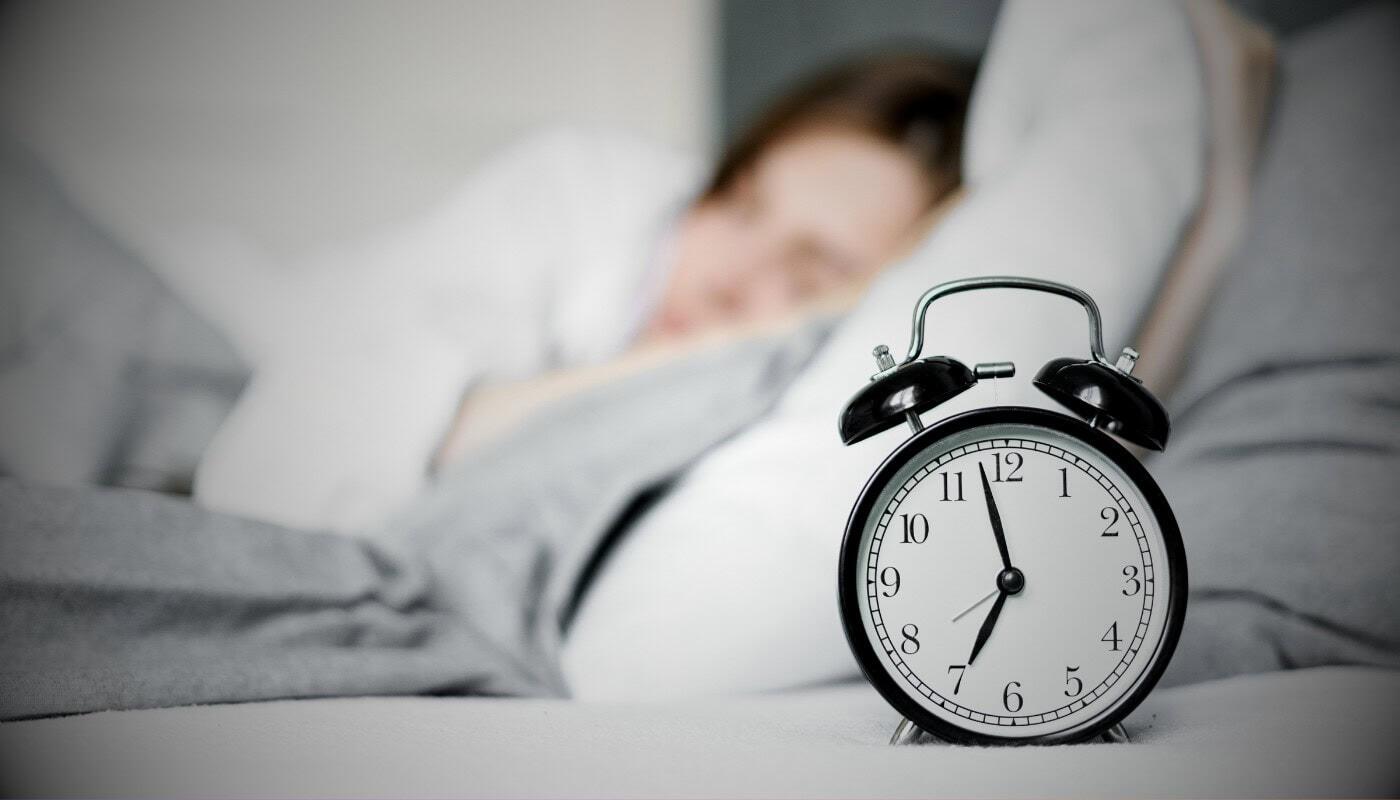
Struggling to sleep during a heatwave isn’t just uncomfortable – the NHS warns it can actually affect your health, leading to things like reduced alertness, impaired judgement and, in serious cases, even heat exhaustion. The challenge is clear and easy to identify: your bedroom is likely far too hot, potentially too bright and often rather noisy because of the fan you have had to resort to using.
The good news is that there are now plenty of clever tech products designed to tackle these exact issues, ranging from budget-friendly accessories to much more advanced connected devices. This is your essential guide to the categories, their purpose, the ideal user and the key checks before you purchase.
Why These Upgrades Are Worth Your Time
Most people approach heatwave sleep the same way: they buy a fan, open a window and hope for the best. That works up to a point, but it only addresses one part of the problem.
Temperature, light and noise all interact – a fan that cools you down also keeps you awake, an open window that brings in cool air also brings in street noise and a bedroom that finally drops to a comfortable temperature at 2am may still be flooded with light by 5am.
The categories below work best when you identify which of those three things is actually your primary problem, rather than throwing everything at the room at once. A £20 accessory that targets the right issue will outperform a £200 device aimed at the wrong one.
More from Tech
- Could Five-Minute Charging Change How We Think About EVs?
- The Tech You’d Never Think Had Anything To Do With F1
- 10 Technologies Transforming The F1 Fan Experience
- What Are The Biggest Technology Trends In Singapore?
- Can Single-Video Learning Solve The Biggest Obstacle In Commercial Robotics?
- Women In Tech: Top 8 Women In FinTech In 2026
- Ring Ring, The VoIP Future For Call Centres Is Calling
- 10 F1 Technologies That Are Way More Impressive Than They Look
Pick Your Problem, Then Pick Your Product
Ten categories worth knowing about, from cooling mattress pads to smart thermostats – temperature, light and noise.
1. Cooling Mattress Toppers And Pads
A cooling mattress topper sits between your mattress and bedsheet and works by conducting heat away from your body. The basic versions use gel-infused foam or specialised materials that stay cooler than standard memory foam. More advanced versions are water-cooled pads that circulate temperature-controlled water through a thin mat, controlled by a bedside unit. The water-cooled systems are more expensive but considerably more effective at maintaining a consistent sleep temperature throughout the night.
Who it suits: anyone whose primary problem is that their mattress retains heat.
What to look for: breathability ratings for foam versions, noise level for water-cooled units and whether it works on both sides of the bed independently if you share it.
2. Smart Fans With App Control And Scheduling
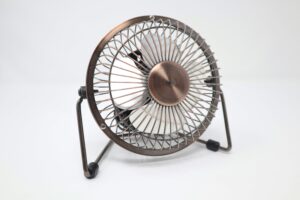
A basic fan does the job, but upgrading to a smart fan gives you handy features like scheduling and app control, plus extra modes that a standard desktop fan just cannot offer. The sleep-specific features worth looking for are a sleep timer, a gradual power-down mode and a noise level low enough not to be disruptive on its own. Some models include air quality sensors or connectivity with smart home systems. The app control is most useful for scheduling the fan to switch off after you’ve fallen asleep rather than leaving it running all night.
Who it suits: people who want airflow with more control than a basic fan offers.
What to look for: decibel rating at the lowest setting, sleep mode features and whether it connects to your existing smart home setup.
3. Temperature-Regulating Bedding

Experts consistently recommend bamboo, linen and cotton bedding for those who sleep hot, as these materials breathe well and draw moisture away from the skin. This isn’t the most glamorous category, but for many people it’s the most cost-effective intervention. The higher-end versions use phase-change materials that absorb heat as your body temperature rises and release it as you cool down – the same technology used in some outdoor performance gear.
Who it suits: anyone who wants a low-tech, no-device solution.
What to look for: breathability and thread count for cotton, long-staple bamboo over bamboo-polyester blends and TOG rating for duvets.
4. Pillow Speakers
If you like listening to podcasts or relaxing audio to drift off but dislike the idea of wearing earbuds, a pillow speaker is the answer. It is a thin, flat speaker that tucks under your pillow, keeping the sound to yourself so your partner can sleep soundly. They usually connect via Bluetooth or a standard jack and work perfectly with a sleep timer.
Who it suits: people who share a bed and want personal audio without headphones.
What to look for: comfort of the speaker profile under the pillow, connectivity type and volume range.
5. Smart Thermostats With Sleep Scheduling
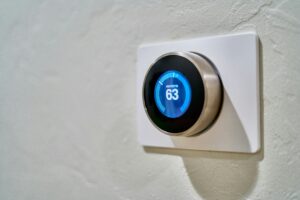
If you have air conditioning or a heat pump, a smart thermostat adds scheduling and remote control that makes a significant difference during a heatwave. You can set a sleep schedule that cools the room before you go to bed and eases back overnight to avoid overcooling. Without air conditioning, the smart thermostat is less relevant for heatwave sleeping specifically, though it’s still useful for broader home temperature management.
Who it suits: anyone with air conditioning who doesn’t already have a programmable thermostat.
What to look for: compatibility with your existing system, scheduling granularity, integration with other smart home devices.
6. Smart Blinds And Blackout Solutions
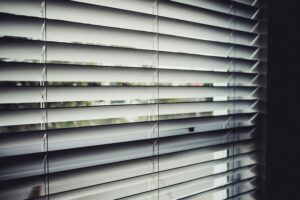
It’s significantly easier to keep a bedroom cool during a heatwave if you block sunlight throughout the day – which makes smart blinds that close automatically during peak hours and open at night a practical solution. For a lower-cost version, blackout curtain liners can be added to existing curtains without replacing them. The smart element is most useful if you’re not home during the day – you can set a schedule so the room is already cooler when you go to bed.
Who it suits: people in rooms with significant direct sunlight.
What to look for: motorised options with scheduling for whole-day management, blackout rating for curtain liners.
7. White Noise And Sleep Sound Machines

A dedicated white noise machine produces consistent sound that masks environmental noise – traffic, neighbours or the fan itself. Many offer a range of sounds including white noise, pink noise and nature sounds. These are particularly helpful during heatwaves because you’re more likely to have windows open or fans running, which introduces new noise sources. The dedicated devices tend to produce better sound quality than smartphone apps, though the difference is marginal if your phone is close to the bed.
Who it suits: noise-sensitive sleepers, parents of young children, light sleepers.
What to look for: sound variety, volume range, whether it loops seamlessly or has audible breaks.
8. Sleep Tracking Wearables

Sleep tracking wearables like the Oura ring or Whoop band monitor sleep stages, heart rate variability and skin temperature through the night. During a heatwave, the skin temperature data can show you when your body is actually struggling to thermoregulate, which helps identify whether the problem is the room temperature, your bedding or something else. The sleep stage data also shows how heat affects deep and REM sleep specifically. These aren’t temperature solutions – they’re diagnostic tools that help you understand what’s actually affecting your sleep.
Who it suits: data-minded sleepers who want to understand the problem before spending on solutions.
What to look for: accuracy of skin temperature sensor, quality of sleep stage detection, subscription cost.
9. Cooling Eye Masks And Gel Pillows
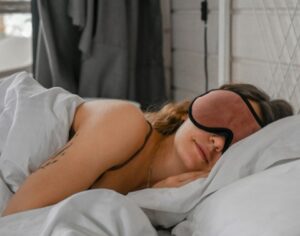
Gel eye masks can be chilled in the fridge to provide localised cooling around the face, assisting with sleep onset in warm environments. Similarly, gel pillows and pillow inserts remain cooler to the touch than foam or fibre alternatives – both low-cost solutions. The gel eye mask is particularly effective for those sensitive to both light and heat, as it addresses both issues simultaneously.
Who it suits: light sleepers who are also heat-sensitive, or anyone who runs hot primarily around the head.
What to look for: gel quality and how long it stays cool, whether the mask blocks light effectively.
10. Air Purifiers With Sleep Modes
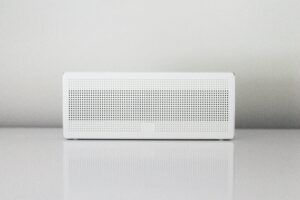
Air purifiers don’t cool a room, but a good one running on sleep mode can improve air quality and reduce background noise enough to make sleeping easier. Sleep mode typically means the fan speed drops to its quietest setting and any display lighting dims or switches off. The air quality benefit is secondary to temperature management but worth having if you’re opening windows at night and living in an urban area.
Who it suits: people with allergies, urban dwellers or anyone who wants cleaner air alongside better sleep.
What to look for: noise level in sleep mode, HEPA filtration, display auto-dimming.


