


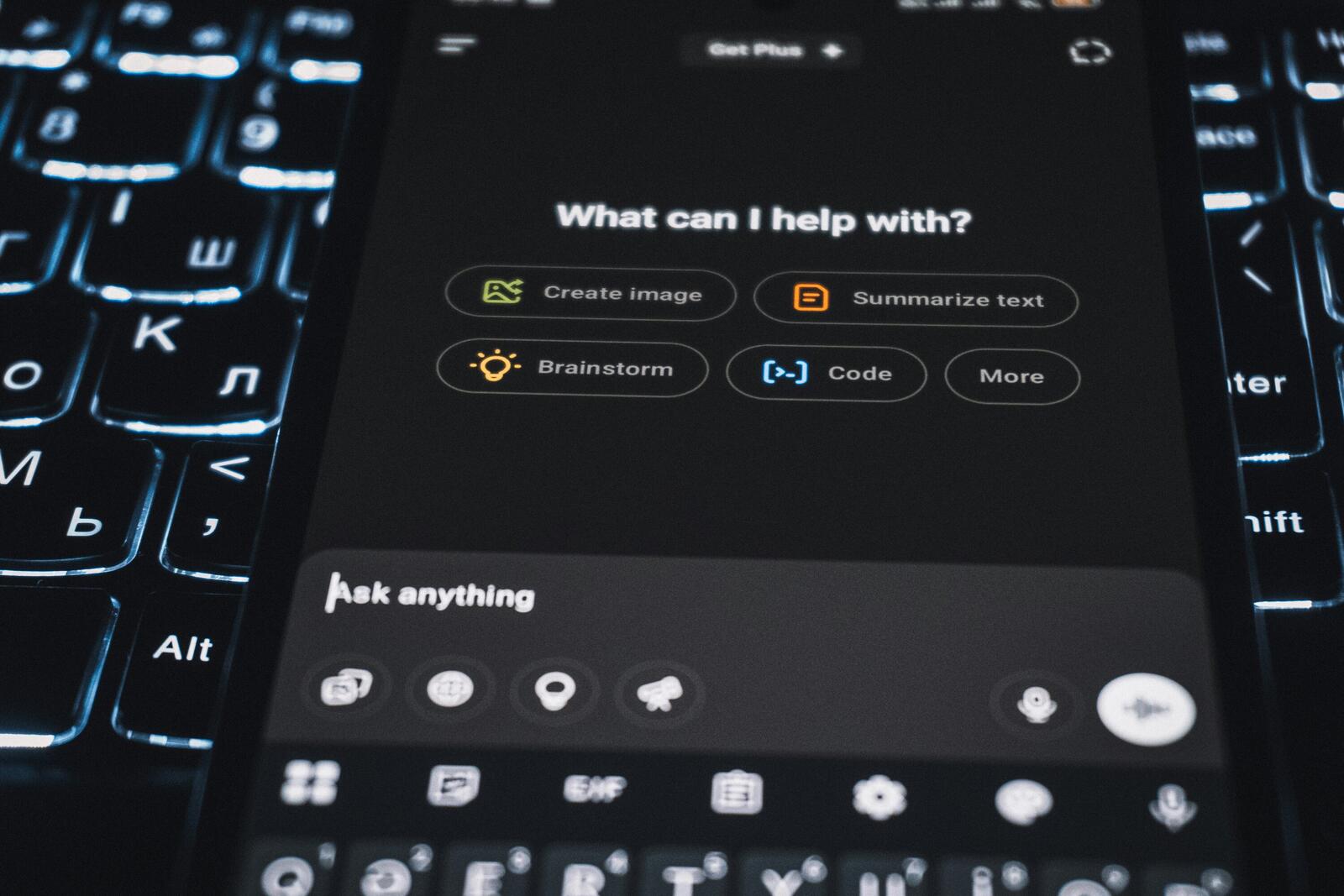
A Reddit post from five days ago has writers talking after one user found that ChatGPT no longer accepts requests to copy the writing style of well known authors.
Posting on the WritingWithAI subreddit, a user said they had spent months using the chatbot to help write a book before finding the restriction after returning from a break.
They wrote, “I’ve been writing my book for several months now, paid for a more advanced model. Took a break. Came back. Now Ms. GPT says she can’t generate content in the style of specific authors. My prompts were soooo specific and I got exactly what I wanted out of them.
“For example, ‘rewrite in the literary style of ‘author here’ with abundant dialogue and detail avoiding staccato prose’. That was my go-to. Or ‘please write and flesh out in the style of ‘author’ etc. they tightened the ropes. I have no idea how to get around this other than maybe feed it prose I already edited that’s technically mine?”
So, What Happens If You Ask ChatGPT Today?
According to Ars Technica, ChatGPT now refuses requests to write in the exact style of famous authors. It tells users it can write using the broad qualities of a writer’s work without copying their distinctive voice.
When Ars Technica asked for the opening of a story in the style of Stephen King, ChatGPT replied, “I can definitely write with the hallmarks of atmospheric, character driven horror and small town dread, but I can’t write in Stephen King’s exact style or closely imitate his distinctive voice. Here’s an original opening that captures a similar feeling while remaining its own…”
The publication found the chatbot gave the same type of replies for living authors such as J.K. Rowling and Amy Tan, along with deceased writers including Charles Dickens and Ernest Hemingway.
Earlier this month, analysis from No Latency found ChatGPT refused requests involving living authors but accepted style copying requests for deceased authors. Ars Technica found the chatbot now gives the same type of refusal across both groups.
More from Artificial Intelligence
- Big Tech’s AI Reckoning Arrives Today – Have The Billions Paid Off?
- Do AI Detectors Have A Commercial Incentive To Flag Your Writing?
- Custom AI Vs Off-The-Shelf AI: Which Delivers Better ROI For Growing Businesses?
- Are AI Detectors Doing More Harm Than Good In Universities?
- Claude Users Found Their Private Chats Online – What Does This Say About AI And Privacy?
- Can AI Save The Insurance Industry From The Wildfire Crisis?
- Why Are OpenAI and Anthropic Secretly Lobbying Against Open Source?
- Andy Burnham Launches New AI Taskforce To Drive Economic Growth
Why Is This Important News?
The wording may look like a small adjustment, but it could become important in copyright disputes because right now, OpenAI is defending lawsuits from authors who claim the company used copyrighted books to train its AI models. One lawsuit mentioned in the Ars Technica report refers to ChatGPT’s “uncanny ability to generate text similar to that found in copyrighted textual materials.”
Under US copyright law, protection usually applies to the specific expression of an idea instead of an author’s style on its own. Even then, AI generated writing could become a legal issue if it is considered substantially similar to an original work.
George Washington University Law School professor Robert Brauneis explained the difference to Bloomberg Law.
“We’ve never had a situation in which this personal style of individual creators could be imitated as well and as inexpensively as we now have with AI,” he said.
The Authors Guild has also published best practices for writers using generative AI. The document says, “Respect your fellow authors and do not use generative AI to purposely copy or mimic the unique styles, voices, or other distinctive attributes of other writers’ works in ways that harm the value of their works or attempt to profit from them. Apart from the ethical issues, mimicking a fellow writer’s unique voice or style could subject you to claims of unfair competition or copyright infringement.”
Do Other AI Chatbots Do The Same hing?
Ars Technica reports that ChatGPT is not alone, but AI companies have not all gone the same way.
No Latency found Google’s Gemini accepted requests to copy an author’s style. Perplexity AI refused those requests and redirected users in the same way as ChatGPT. Anthropic’s Claude and Microsoft’s Copilot accepted style copying requests, but both added comments recognising that the request could have legal questions.
OpenAI already has a policy for images since its DALL·E 3 model is designed to refuse requests for images in the style of a living artist so this would be the first official policy for written prompts.


