


The AI Boom has created a problem that has very little to do with AI itself, because the more powerful these systems become, the more electricity they need to use.
Data centres are already putting pressure on power grids in places where companies are racing to build them, which means that developing the next big AI model isn’t only about having enough chips, engineers and data; someone also needs to make sure there is enough electricity to keep the whole thing running.
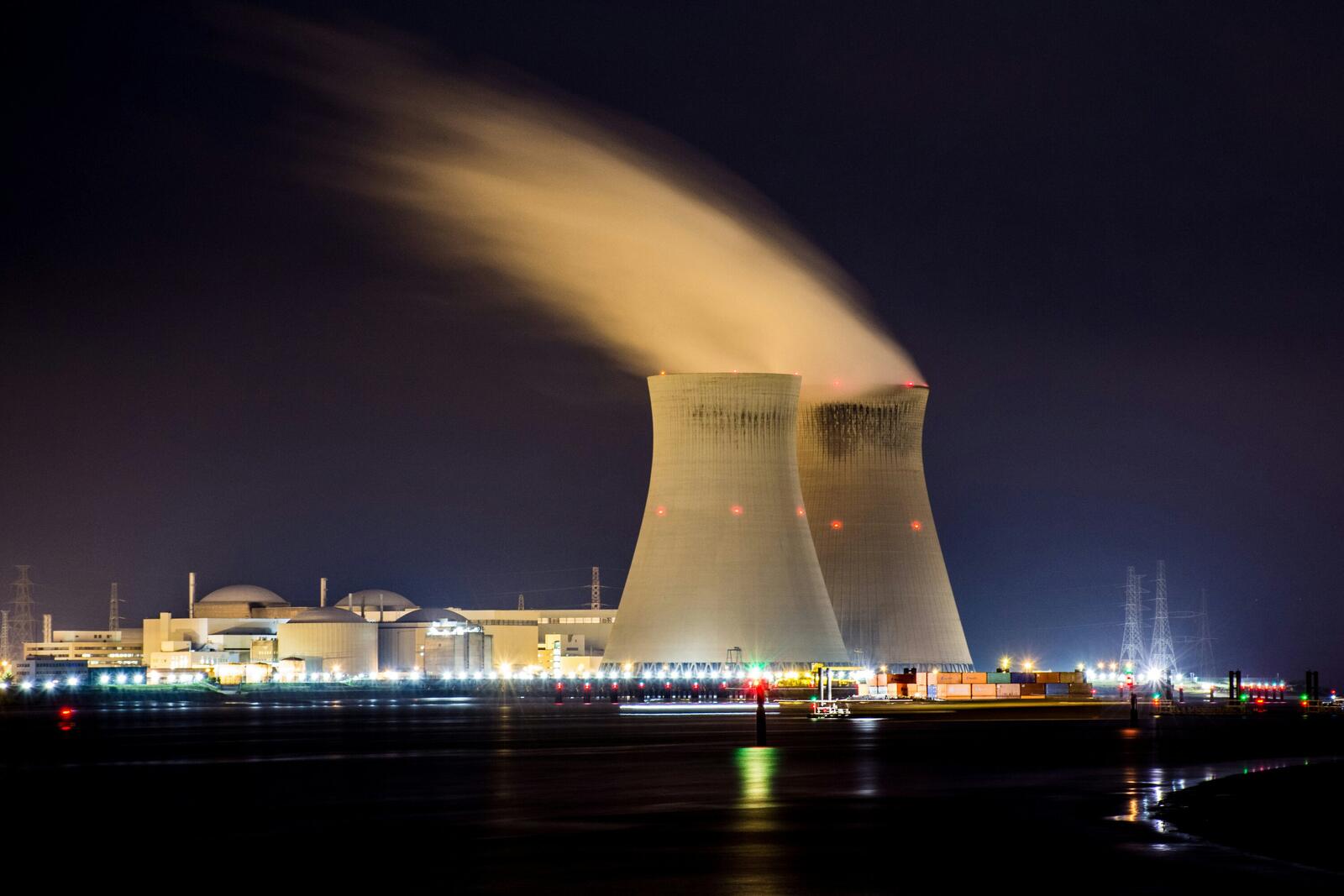
Nuclear power is now back in the loop, especially as the huge amount of electricity needed to run AI is giving companies a reason to reconsider it. Forbes recently reported that Microsoft, Google, Amazon and Meta are all putting billions of dollars into nuclear projects and agreements as they look for reliable electricity for their growing AI operations.
Why Does AI Need So Much Power?
Training and running AI models need large amounts of computing power, with specialised chips processing huge quantities of information across data centres. The electricity use doesn’t stop once a model has been trained. Systems still need to process requests whenever someone uses an AI service, whether they’re generating an image, asking a chatbot a question or using an AI feature built into another product (and if you’ve been saying “please” and “thank you” to your chatbot, apparently your good manners come with an energy bill).
All of that computing also produces heat, which means data centres need cooling systems to keep their hardware operating safely. As companies add more processors and build larger facilities, their electricity requirements rise as well, which puts data centres under more pressure to make sure they have enough power and making access to the grid a really important part of the AI race.
More from Artificial Intelligence
- Can AI Weather Models Accurately Predict Extreme Events Like El Niño?
- AI Was Supposed to Replace Us. Could Originality Be the One Thing It Can’t Compete With?
- The AI Governance Gap: Why Global Agreements Mean Little Without Corporate Action
- The Best AI-Native Gateways For Developer-First Teams In 2026
- What Does A Planned US “Freeze AI” Walkout Say About Public Attitudes Towards Big Tech?
- Why UK Allied Health Is Using AI To Cut The Paperwork
- Quite Contrary: Most Startups Don’t Have An AI Problem, They Have A Distribution Problem.
- AI Models Are Mentioning Your Brand, But Is Your Website Being Cited?
Why Nuclear Power?
Nuclear power has a quality that makes it appealing to data centres because reactors can generate electricity continuously, rather than depending on whether the sun is shining or the wind is blowing. A facility running thousands of processors doesn’t get to clock off when the weather changes, so a steady source of electricity can be valuable as companies expand their AI infrastructure.
Nuclear power also produces low carbon emissions during operations, which gives technology companies another reason to consider it while they try to increase their computing capacity without relying just on fossil fuels. The combination of reliability and lower operational emissions has helped put nuclear back on the table as companies work out how they can meet their growing electricity needs.
Big Tech Is Already Making Moves
Microsoft has signed a 20-year power purchase agreement with Constellation to support the restart of the former Three Mile Island Unit 1 reactor in Pennsylvania. The $16 billion deal will see Microsoft buy electricity generated by the reactor once it returns to service, which is expected to be in late 2027, giving the company a long-term source of power for its data centre operations.
Microsoft isn’t the only one, with Meta signing a 20-year agreement for electricity from Constellation’s Clinton nuclear plant in Illinois, while Amazon and Google are also behind nuclear projects. These aren’t small experiments either, with all four of these big tech companies putting serious money behind nuclear projects that could supply power for so many years to come.
Nuclear Has Its Own Problems
Nuclear power can’t easily be added to the power grid whenever another data centre needs more electricity, as new reactors require years of planning, regulatory approval, financing and construction before they can start generating power. That makes it harder for nuclear to keep up with an AI industry whose demand for electricity is growing faster than new reactors can be built.
Nuclear plants also come with their own challenges, from the high costs of building new reactors to managing radioactive waste and maintaining strict safety standards. While modern nuclear plants are designed with multiple safety systems, accidents can have serious consequences, which is one reason the technology has remained controversial despite its low operational carbon emissions.
Where Does Nuclear Power Fit?
Technology companies are already spending billions on nuclear power, so this clearly isn’t just a passing thought for the industry. Whether those investments can deliver enough electricity quickly enough is another matter, particularly when new reactors can take years to build.
AI can keep getting bigger and more powerful, but the infrastructure behind it has to grow with it. Nuclear could provide some of the reliable electricity that expansion requires, while other energy sources and the wider grid will still have their part to play.
For an industry that spends so much time talking about what AI will be able to do next, one of its biggest challenges could be making sure it has enough power to keep its lights on.


