


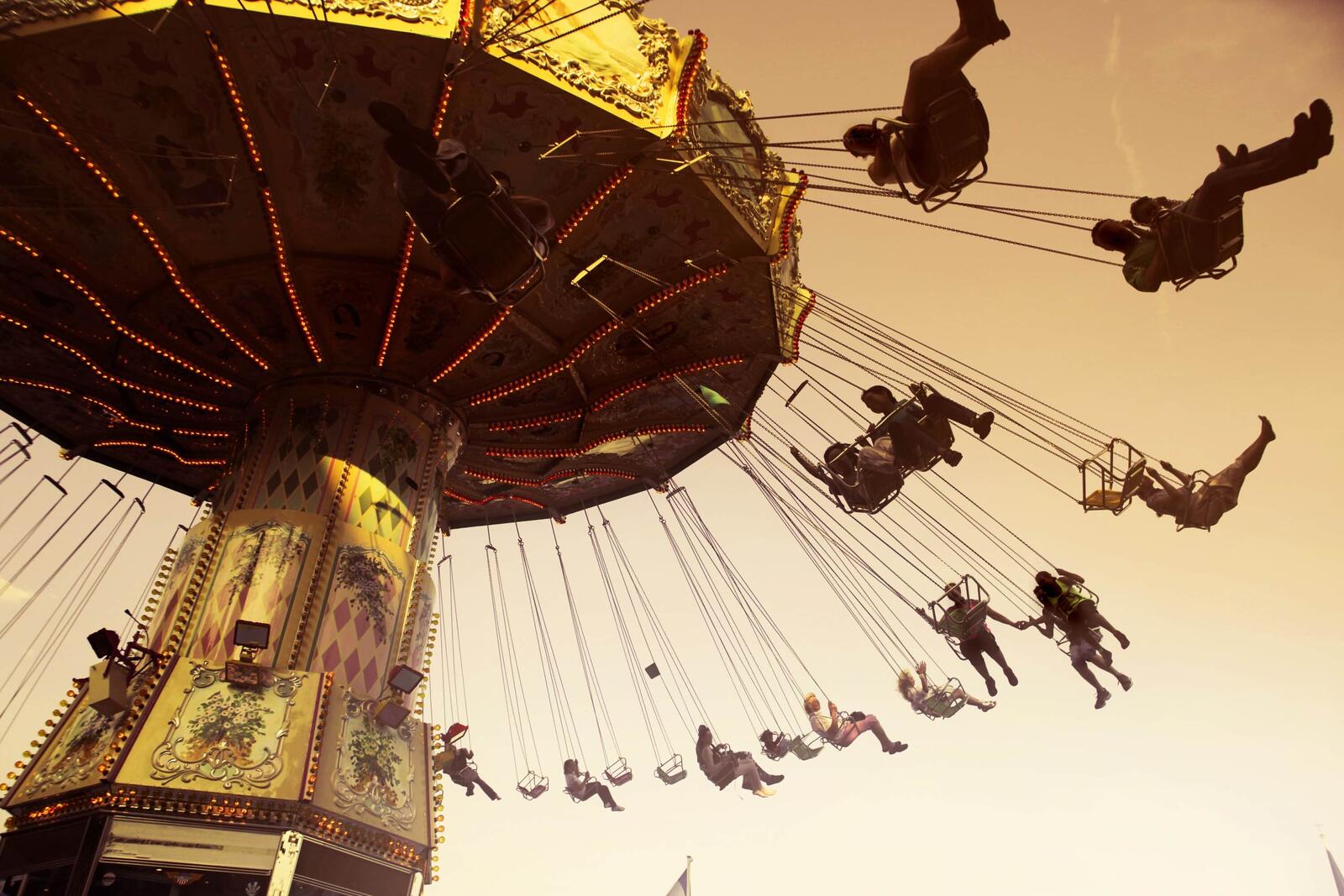
A rollercoaster can be flying around a track at 80mph one minute and sitting completely still the next because a sensor has detected something it shouldn’t. From the outside, it’s mostly track, trains and a lot of screaming, but there’s a lot of technology that decides when that the ride moves, when it stops and what happens around it.
Some of it is there to keep attractions operating safely, while other systems are designed to make a day at the park easier or to change what a visitor actually sees and experiences. From ride controls and sensors to projection mapping and mobile apps, there’s genuienly a lot more going on than the coaster flying overhead.
What Keeps A Theme Park Running?
Running an attraction involves a combination of engineering, technology and human oversight. The International Association of Amusement Parks and Attractions, or IAAPA, says ride design draws on physics, engineering and mathematics, alongside technologies including computer controls, advanced materials and magnetic braking systems. Its guidance also explains that central control units and sensors can monitor ride operation, with automatic shutdowns forming part of some systems.
The technology also sits within a larger safety process – at Alton Towers, ride operators complete 100 hours of supervised training before they can operate rides, while every ride must pass an annual inspection by an independently certified inspection body under the Amusement Device Inspection Procedures Scheme (ADIPS).
More from Tech
- Women In Tech: Top 10 Women In EdTech In 2026
- Why Is It So Hard To Put Tech Down? The Design Choices Behind Our Attention
- Can A Trading App Truly Be Risk-Free When Real Financial Habits Are On The Line?
- The Tech F1 Teams Use To Prepare For Unfamiliar Tracks
- Beauty Tech Explained: The Cosmetic Treatments Changing Aesthetic Medicine
- Could An App Help Families Manage Allergies More Confidently? ACE Launches Allergy Assist
- Wi-Fi 8 Is Arriving – What Does It Actually Change For Your Home?
- The Unexpected Role Of Consumer Tech In Space Engineering
1. Sensor Technology
Sensors allow ride systems to monitor what is happening while an attraction is operating. At Alton Towers, hundreds of sensors are positioned along its rollercoaster tracks, and the park says a ride can stop automatically if one of them is obstructed.
Heavy rain and leaves are among the reasons listed for stoppages, alongside guests using cameras or mobile phones during rides, illness and lost property within a ride area. This gives sensors a role beyond only detecting mechanical faults; they can identify conditions that shouldn’t be present and trigger a stoppage so the situation can be checked before the ride continues.
Sensor technology is also being developed for maintenance. In December 2025, IAAPA reported on condition-monitoring systems that collect information such as temperature, hydraulic pressure and vibration from ride components.
2. Computer-Controlled Ride Systems
Sensors are one part of a ride’s control system, but computers also have a role in monitoring and operating attractions. IAAPA says central control units can monitor rides, while computer controls and magnetic braking systems are among the technologies that have changed how modern amusement rides are designed and operated.
Computer modelling is used before a ride is even built. Designers can use modelling software to analyse a ride’s performance, structural integrity and G-force parameters, allowing different elements of a layout to be assessed during the design process.
For visitors, that work eventually becomes the part they actually feel: the launch, the turns, the braking and everything in between – the systems controlling all of those movements have to work with the physical ride and its safety mechanisms throughout the experience.
3. Predictive Maintenance and Machine Learning
Maintenance doesn’t always have to wait for a component to fail. Condition-monitoring systems can collect information while a ride is operating and give maintenance teams more data about the condition of individual components.
IAAPA reported in 2025 on sensors being installed on rollercoaster trains to monitor factors including temperature, hydraulic pressure and vibration. The system can send information to maintenance teams, while an additional machine-learning system can analyse the data and identify patterns associated with potential mechanical failures.
They also say that the sensors can be applied to water-park pumps and filters, aquarium life-support systems and existing rides, giving operators another way to monitor equipment while it is in use.
4. Queue and Visitor-Management Technology
Thorpe Park says its queue times are updated in real time using sensors at ride entrances, although the figures can change as ride operations and guest flow change. The information is available through the park’s app, allowing visitors to check waiting times before deciding where to go next.
Parks can also use operational data to see how visitors move around the site. IAAPA has highlighted data such as hourly attendance and queue heat maps, which can help attractions understand visitor patterns and make decisions about how the park is run
5. Projection-Mapping Technology
Projection mapping changes the appearance of physical scenery by placing digital imagery onto its surfaces. Instead of watching the visuals on a separate screen, visitors can see them projected across walls, objects and other parts of the environment.
The Curse at Alton Manor at Alton Towers uses advanced 3D projection mapping alongside audio and physical sets; the ride takes visitors through 12 scenes, with the technology helping create the different environments encountered along the route.
That gives attraction designers more freedom to change a physical setting without having to replace the entire set. The scenery stays where it is, but the imagery projected onto it can change as the experience moves between scenes.
6. Lighting, Audio and Special Effects
Not every technological effect needs a screen; lighting, audio and physical effects can all be used to completely change an attraction while visitors are inside it.
Alton Towers’ Hex has had its sound system replaced and uses wind machines, fibre optics, smoke machines and lighting as part of the attraction. The park has also installed new smell pods and refocused and repositioned lights around the sets.
Making The Magic Look Effortless
The next time a rollercoaster stops because of a leaf, a queue time changes on the Thorpe Park app or a room at Alton Towers suddenly smells different, there’s clearly a technical reason behind it.
What makes the technology so awesome is that it can work quietly in the background while the actual experience stays front and centre. A sensor can stop a train, machine learning can flag a component for maintenance and a projector can turn a fixed set into an entirely different scene, all while the visitor gets to do what they came for: enjoy the ride without even needing to know what’s making the whole experience possible.


