


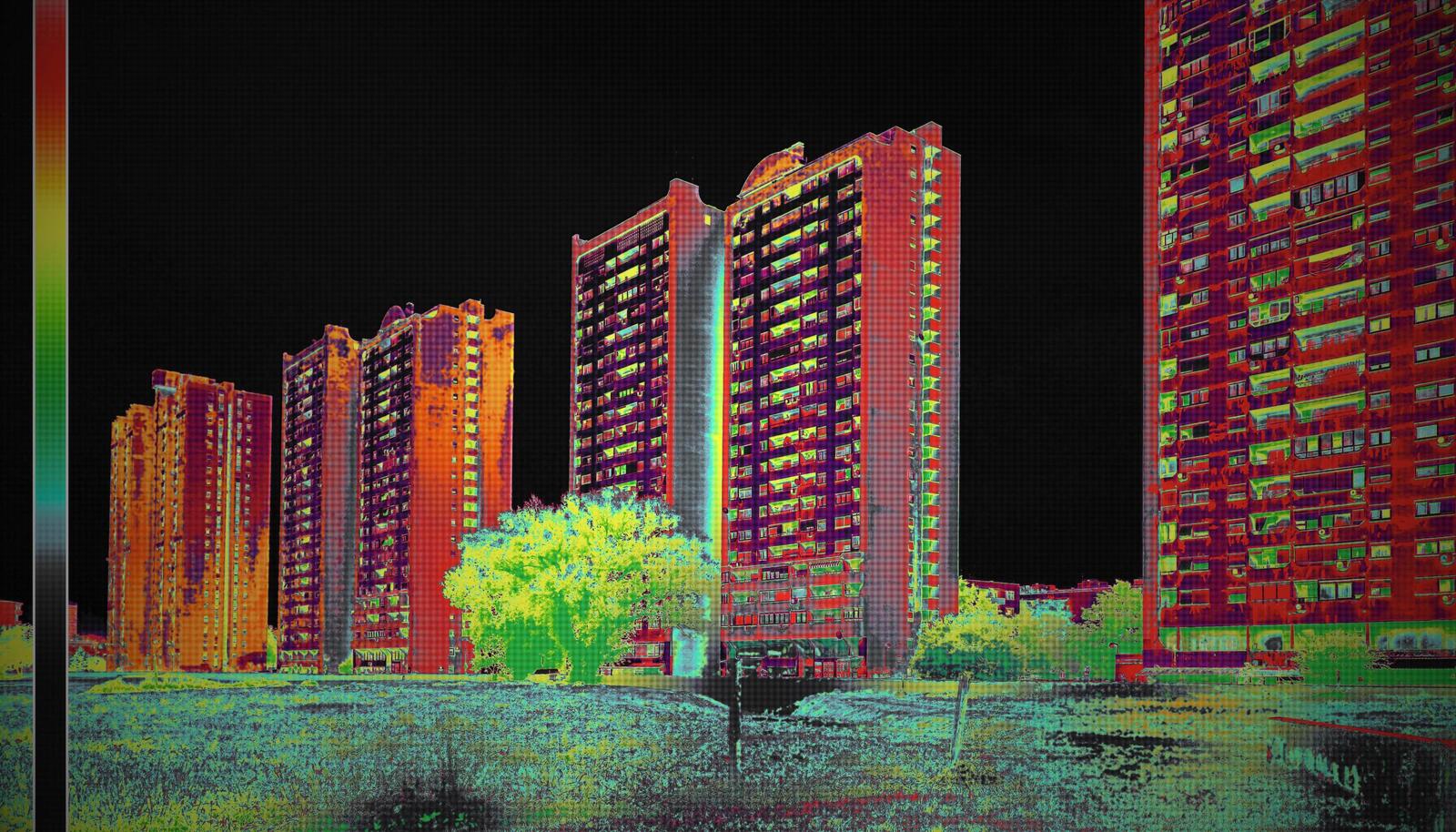
British space monitoring capacity just got a major boost.
SatVu launched HotSat-3 in October aboard a SpaceX rideshare mission from California, marking the firm’s third mid-wave infrared satellite. SatVu says the spacecraft will let it collect high-resolution thermal imagery of any location on Earth every 24 hours, day and night.
HotSat-3 is SatVu’s third build but only its second operational asset, joining HotSat-2 which entered commercial service in June. It still needs in-orbit commissioning, and SatVu hasn’t said how long that will take, so daily global coverage is a milestone, not a live service.
This kit isn’t built for finding draughty windows on residential homes. It’s heavy-duty thermal intelligence designed for governments, defence buyers and major industrial clients, which naturally raises some tricky questions about who is watching whom from above.
What Can A Heat Camera In Orbit See That A Normal One Can’t?
Built by Surrey Satellite Technology, HotSat-3 carries a mid-wave infrared camera that picks up emitted heat. That means it sees just as well in total darkness, spotting details that standard optical satellites miss completely, such as whether an industrial generator is running or a cooling system has gone quiet.
SatVu says the signatures it can detect include vehicle and vessel engines, gas flares, petrochemical plant components, data centres and the cooling plumes from power stations. It can also track the tempo of refineries and LNG sites, including shutdowns, restarts and maintenance.
Mapping heat loss from buildings is just one application for climate resilience, but it accounts for only a minor fraction of the commercial market.
Who’s Paying For All This?
SatVu names three core markets: defence and intelligence, economic intelligence and climate resilience.
Reported relationships include a European Space Agency Copernicus contributing mission contract valued at up to €3m over three years, participation in NATO’s Alliance Persistent Surveillance from Space programme, and procurement channels with the US National Geospatial-Intelligence Agency. Kongsberg has also agreed to use SatVu’s thermal data in its own geospatial and intelligence offerings.
SatVu says capacity on both satellites is already heavily subscribed, but buyer identities and contract values are undisclosed. That level of discretion comes with the territory in military markets. Furthermore, it highlights the extent to which defence startups rely on government customers who prefer to keep their operations under wraps.
More from Tech
- The Drone Technology Helping Farmers Cover More Ground In Less Time
- F1’s Pitlane Has Its Own Race, And Technology Is Driving It
- Top Deep-Tech Startups In Finland To Watch In 2027
- Are VoIP Calls Secure? Let’s Talk About Who Could Be Listening
- The Tech That Shapes F1 Car Performance From Circuit to Circuit
- From Alton Towers To Thorpe Park: The Technology Bringing Theme Parks To Life
- Women In Tech: Top 10 Women In EdTech In 2026
- Why Is It So Hard To Put Tech Down? The Design Choices Behind Our Attention
What Does Thermal Data Reveal, And Who Can Buy It?
The privacy worry here has nothing to do with peering into people’s living rooms. The imagery captures heat signatures and operational patterns as opposed to individual faces, meaning it involves tracking activity instead of direct identification.
The concern centres on persistent commercial monitoring of industrial sites and critical infrastructure, alongside questions about who holds the power to task the satellite, purchase the intelligence and resell the data.
The security side is the same capability seen from the other direction. Anyone who can buy or task this imagery can read the operating status of a site without ever going near it. That’s where the buyer list holds weight. With nobody named, there’s no public view of who is looking at which sites.
SatVu offers a catalogue withhold feature that lets tasking customers pay for an exclusivity window before imagery enters its public catalogue. That serves as an effective control for a sensitive buyer, but it also means what the wider market sees depends partly on who’s paying. It’s a familiar tension, much like the one running through the debate over tech firms and the military.
Regulation is still playing catch-up. The UK Civil Aviation Authority grants space licences strictly on the basis of national security, international law and the national interest, with power to add tailor-made conditions.
At the same time, official reviews of space policy point to outdated data security guidelines for Earth observation, and lawmakers are raising alarms over how sharper commercial imagery complicates privacy and defence.
Your Heat Gives You Away
Climate resilience is the easiest of SatVu’s three markets to like, and it’s a valid use of the technology. But the people paying shape what gets built. For startups building on top of thermal data, as Kongsberg is doing, the commercial opportunity is real, and so is the responsibility that comes with it.
Once HotSat-3 is fully commissioned and daily revisits begin, those questions will stop being theoretical, and the rules covering them are still being written.


