


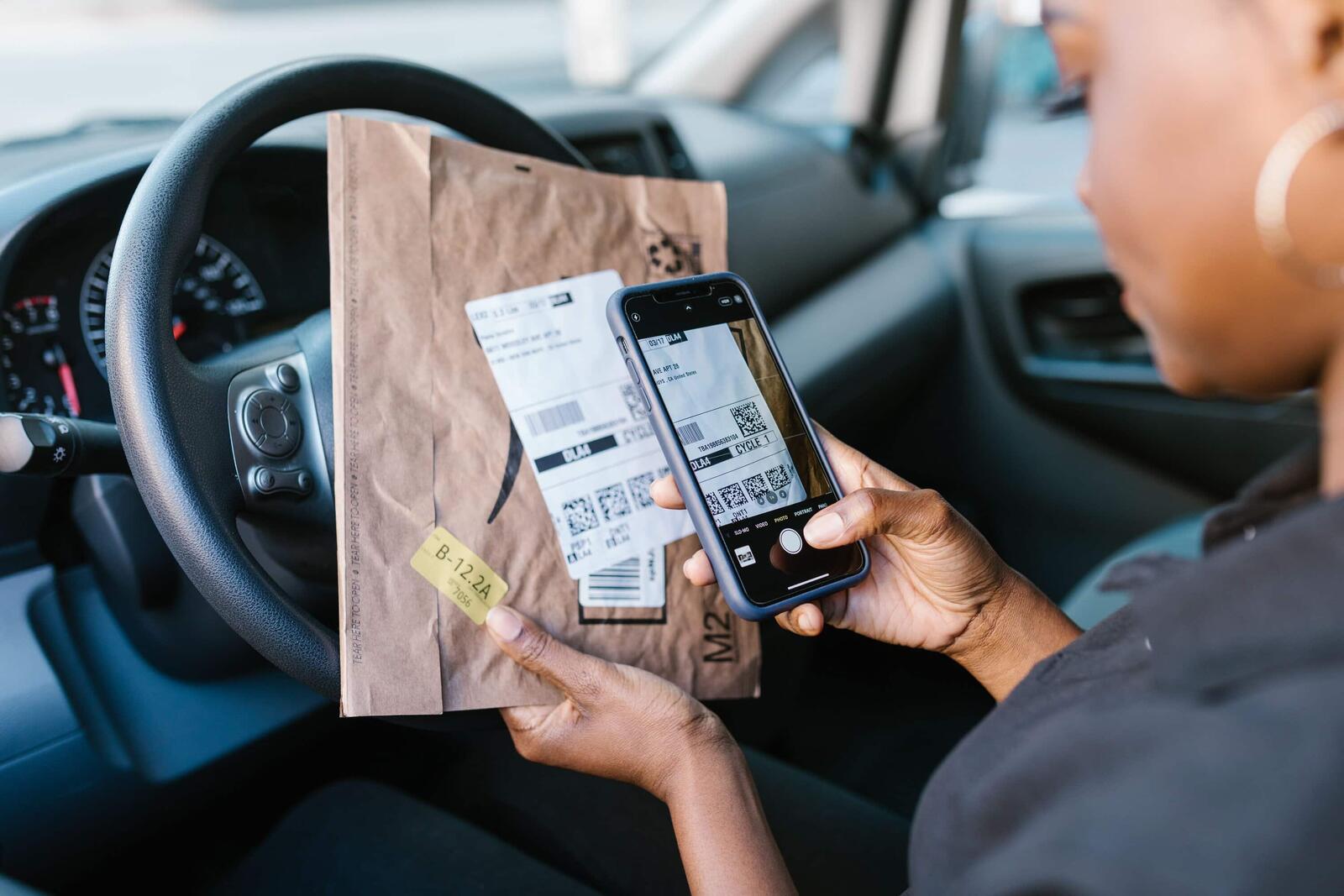
A smartphone can be assembled in one country, packaged in another and spend weeks travelling through warehouses and distribution centres before reaching our doorstep. Along the way, several businesses need to know where it is, who has handled it and whether anything has gone wrong in transit.
Product traceability helps businesses keep track of all this, using barcodes, sensors and software to record where a product has been and what has happened to it. It starts with giving products an identity that machines can read.
Every Product Needs A Name Badge
A barcode holds a number that a scanner can read in a fraction of a second. According to GS1, a global organisation that develops product identification standards, more than 10 billion barcodes are scanned around the world every day, also a fun fact: the first product scanned with a barcode was a pack of Wrigley’s chewing gum in 1974.
QR codes work in quite a similar way but can also link to online information. A code on a bottle of olive oil, for example, could give us details about where the olives were pressed, depending on what the business has made available.
A standard barcode usually identifies a product type, like a specific smartphone model, rather than one individual phone. Serial numbers can identify an item, while batch numbers link products made as part of the same production run. Each scan can then record an event, from a pallet leaving the factory to arriving at a warehouse, along with the time and location.
More from Guides
- Is The Anti-Unicorn (Zebra) Movement Starting to Grow?
- What Is AI Debt?
- The Warning Signs To Look For Before Buying From An Online Store
- What Is Customer Acquisition Cost?
- What Are Knowledge Graphs And Why Are AI Companies Using Them?
- What Is Human-In-The-Loop-AI?
- How to Make Hybrid Work Easier With Software
- What Is E-Waste And How Is Technology Being Used To Reduce It?
Where All The Data Ends Up
Scanners and sensors don’t do much good on their own, so their readings get sent to software that brings the information together. Dashboards show businesses what stock they have, which shipments are moving and which are running late. Manufacturers, distributors and retailers can also share information from different stages of the journey.
GS1 helps businesses label products and share information in a way that different systems can recognise. That makes it a lot easier for a retailer to understand the records sent by a supplier, even if they’re using a completely different software.
Records also earn their keep when something goes wrong. If a delivery goes missing or a batch arrives damaged, scans and sensor readings can help narrow down where the problem occurred. Collecting the data is only helpful if someone can look it up and act on it.
Proving A Product Is The Real Thing
Traceability also lets businesses look back at where a product came from. Digital records can link an item to its manufacturer, supplier or production batch. When there’s a recall, businesses can identify affected products and work out where they were distributed without clearing every shelf in the country.
Authentication systems can compare information attached to a product with records held by a manufacturer or another trusted source, helping flag suspicious or inconsistent details. A barcode or QR code on its own doesn’t prove anything, because a counterfeiter can print one just as easily as the original manufacturer, so whether a product is genuine or not really just depends on the verification system behind the code.
The Box Knows Where It’s Been
A product’s journey doesn’t end when it leaves the factory. The records attached to it can remain long after the product has been sold, used or thrown away. Sometimes, the story of a product lasts longer than the product itself.


