


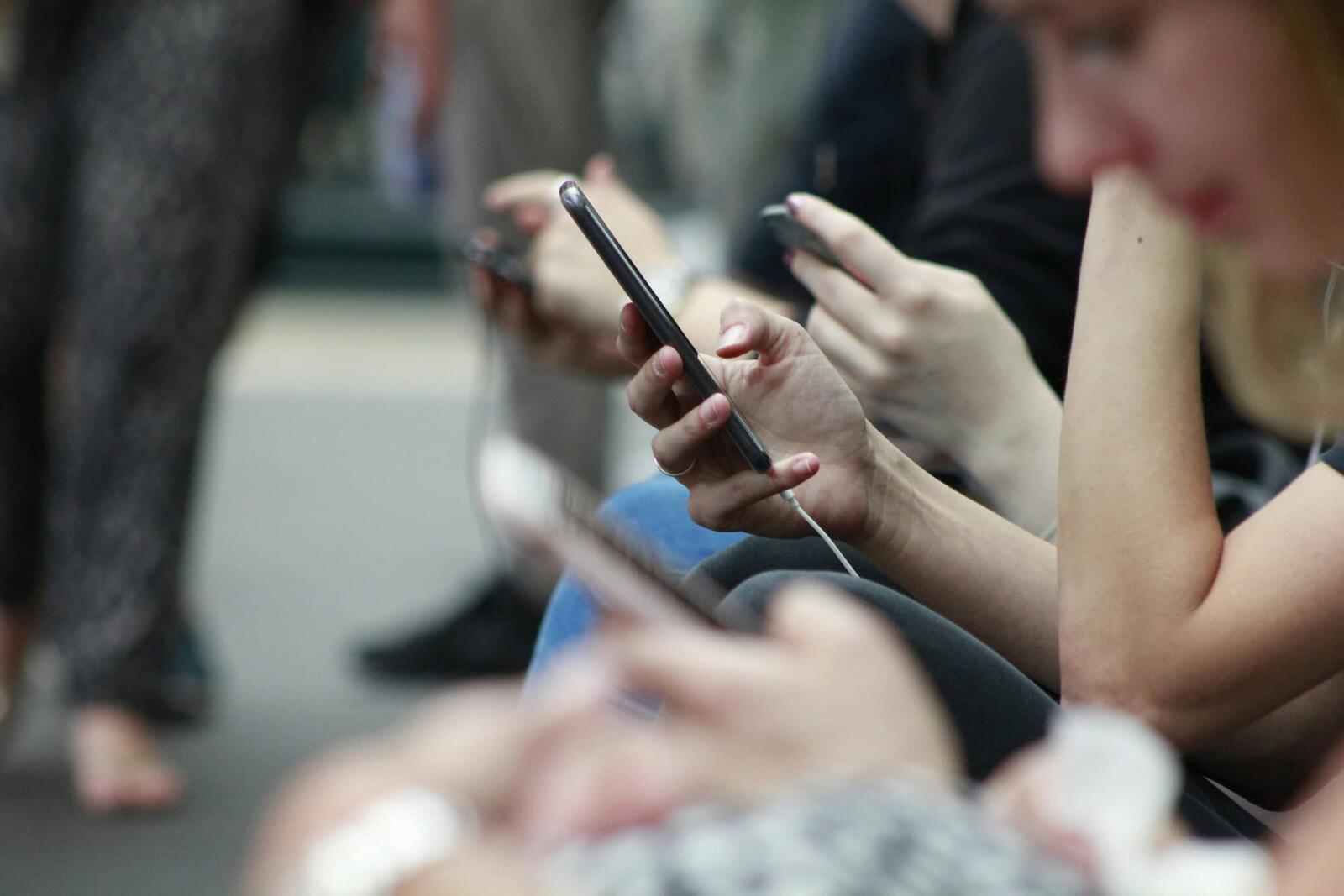
Most of us share plenty of information about ourselves online without thinking too much about it. This is partly because when it first became a thing, we didn’t think twice about what this might mean in the future, and now, it’s a habit, a part of daily life for most people. A birthday post, a photograph outside our home, the name of a school or workplace or a holiday update might seem harmless, totally innocuous, but although this information is being posted in little bits (rather than a point-by-point list of all your personal details), it can still come together to help someone build a surprisingly detailed picture of who we are. And the trouble is that it’s easier to do this than you may think.
But, does that mean someone can really steal your identity using nothing more than publicly accessible information from social media? Unfortunately, the answer is yes, although a few public posts will not necessarily give a criminal everything they need. Thus, the risk is often in how personal details can be pieced together and combined with information that’s obtained elsewhere to paint a more complete picture.
How Much Can People Learn from Your Social Media?
A public profile can reveal more than a name and photograph. Posts might disclose things like date of birth, where someone lives or works, family members, places they regularly visit and when they’re away from home. Photos and tagged posts can reveal details someone hasn’t shared directly. For instance, a “pack with me” Instagram story tells your followers you’re going to be away from home, and your Strava runs may point people to your place of residence (or at least very close to it).
Individually, these details may not seem particularly sensitive, but the problem is that together, they can help a criminal build a picture of someone’s routines and personal history. The UK’s National Cyber Security Centre has actually publicly warned that criminals can use information in a person’s digital footprint to steal their identity or make phishing messages more convincing.
More from Tech
- AI Teddy Bears, Roblox And The Growing Problem With Child Safety In Tech
- Top Robotics And Industrial Automation Startups In Estonia To Watch In 2027
- Fancy A Whiff? Digital Perfume Sampling Could Transform The Fragrance Industry
- The Technology Turning Everyday Homes Into Mini Power Stations
- When Banks Go Offline, What Happens To Your Money?
- AI Models Rarely Agree: What Does This Say About AI Accuracy?
- The Paradox Of Progress: Is Our Pursuit Of Technological Efficiency Making The World More Vulnerable?
- Pokémon Go Was Supposed To Help You Catch Pokémon – Now Its Data Is Helping Robots Navigate The World
How Criminals Can Use That Information
One common approach that people use to this end is social engineering. Rather than breaking into an account through a technical flaw, a criminal uses personal information to make contact seem trustworthy. A message might refer to a recent holiday, a family member or a company someone works for, making the message seem familiar and trustworthy. It could appear to come from a bank, colleague or friend, and encourage the recipient to click a link, share a password or hand over a verification code. And while most people know to never share this information witha anyone online, no matter who you think they are or how trustworthy they appear to be, many people still fall for these tricks.
That information can make targeted phishing incredibly convincing. A message that appears to know where someone works or which service they use can feel more legitimate than a generic request to reset a password, because plenty of people are left wondering how on earth anybody else would have had access to this information if they weren’t who they said they were.
Social media details may also help criminals guess passwords or answers to security questions, particularly if someone uses a pet’s name, birthday or school. The FBI’s Internet Crime Complaint Center warns that details shared openly online can help criminals guess passwords or security-question answers.
Another thing that criminals may do is use photographs and public details to create a fake profile pretending to be someone else who may be considered trustworthy. They might contact that person’s friends, ask for money or try to obtain more information, and if they happen to manage to gain access to the real account, they may even be able to view private messages and contact lists.
Of course, a fake profile isn’t necessarily the same as stealing someone’s identity to open a financial account or take out credit, but impersonation and account takeovers can be used to deceive others, gather more information or create opportunities for further fraud. Social media details may be just one part of the puzzle, combined with sensitive information obtained elsewhere, working towards a larger overall goal that is just as, if not more, nefarious as identity theft.
How Can You Protect Yourself?
The obvious solution isn’t just to stop using social media, but it should be enough to convince you to be a little more careful and a lot more deliberate about what you make public. Review your privacy settings and check who can see your posts, photographs, friends list and personal details; think twice before sharing your full date of birth, phone number, home address or information that could be used to answer security questions; and you should even be cautious with online quizzes that ask for personal details, too.
Avoid posting real-time updates that reveal when your home is empty (wait until you’re home and make it clear that the posts are delayed), and check what other people can see when they tag or mention you. Privacy settings help, but they can’t guarantee that information will stay private once it has been shared.
Always use unique, strong passwords for different accounts and enable multi-factor authentication wherever possible. Never share a one-time passcode with someone who contacts you unexpectedly (especially over the phone!), even if they appear to represent a familiar company and definitely not if they’re putting you under pressure to act quickly. If a message seems unusual, contact the person or organisation through a separate, trusted channel, and when in doubt, don’t engage.
Social media doesn’t have to give criminals everything they need to steal an identity, but sometimes, it simply gives them the clues that make the next step easier, and that might be just enough to do harm.


