


Every team on the F1 grid is allowed to listen to its rivals’ radio, which is a bit like being handed the other side’s half-time team talk and being told it’s perfectly legal to take notes. The problem is that a race weekend produces so much chatter that finding anything useful in it has meant pulling people off other jobs to sit with headphones on and hope for the best.
That’s starting to change, because AI can now transcribe dozens of channels at once and let engineers search them by keyword or by question. A stream of crackly audio that was once difficult to monitor and retrieve is turning into a searchable record of what the entire grid thinks about its tyres.
Teams Were Eavesdropping Long Before AI Arrived
According to RacingNews365, Mercedes had around 10 student volunteers at its factory in 2021 whose job was to listen to rival radio communications, transcribe them and pass anything useful up the chain to strategists at the track. Senior race strategy engineer Joseph McMillan explained that they turned up at weekends because “it’s cool”. Turns out, listening to your rivals’ radio used to be a job for students with a good pair of headphones and loads of patience.
A year later, Alpine began using software to automate much of the process. In a case study published by Microsoft, the team trained a model on audio from past races so that it could produce near real-time transcripts of every driver and race engineer; at the 2022 Dutch Grand Prix, chief strategist Matthieu Dubois typed the single word “window” into it and found a McLaren engineer asking Lando Norris to confirm that both safety car windows were open. The case study credits that search for Alpine’s call to bring Fernando Alonso in for fresh tyres, after which he finished sixth and half a second ahead of Norris, worth eight points in the fight with McLaren. That’s a better hit rate than most of us manage with our own email.
More from Tech
- Women In Tech: Top 10 Women In Cloud Computing In 2026
- Experts Comment: Are Technology Outages Becoming A Breeding Ground For Online Misinformation?
- AI Teddy Bears, Roblox And The Growing Problem With Child Safety In Tech
- Can Someone Really Steal Your Identity Using Information From Social Media?
- Top Robotics And Industrial Automation Startups In Estonia To Watch In 2027
- Fancy A Whiff? Digital Perfume Sampling Could Transform The Fragrance Industry
- The Technology Turning Everyday Homes Into Mini Power Stations
- When Banks Go Offline, What Happens To Your Money?
Forty Channels And Only One Pair Of Ears
According to CoreWeave, more than 380 000 words were spoken across the radio channels over the 2026 Monaco Grand Prix weekend. That came to over 50 hours of audio and more than 21 000 individual messages. Radio is a weird kind of data to search because a driver talking inside a helmet over a screaming engine can’t be analysed in the same way as a speed trace. The company describes F1 radio as hostile to standard transcription models thanks to engine noise, helmet acoustics, wind and team-specific shorthand.
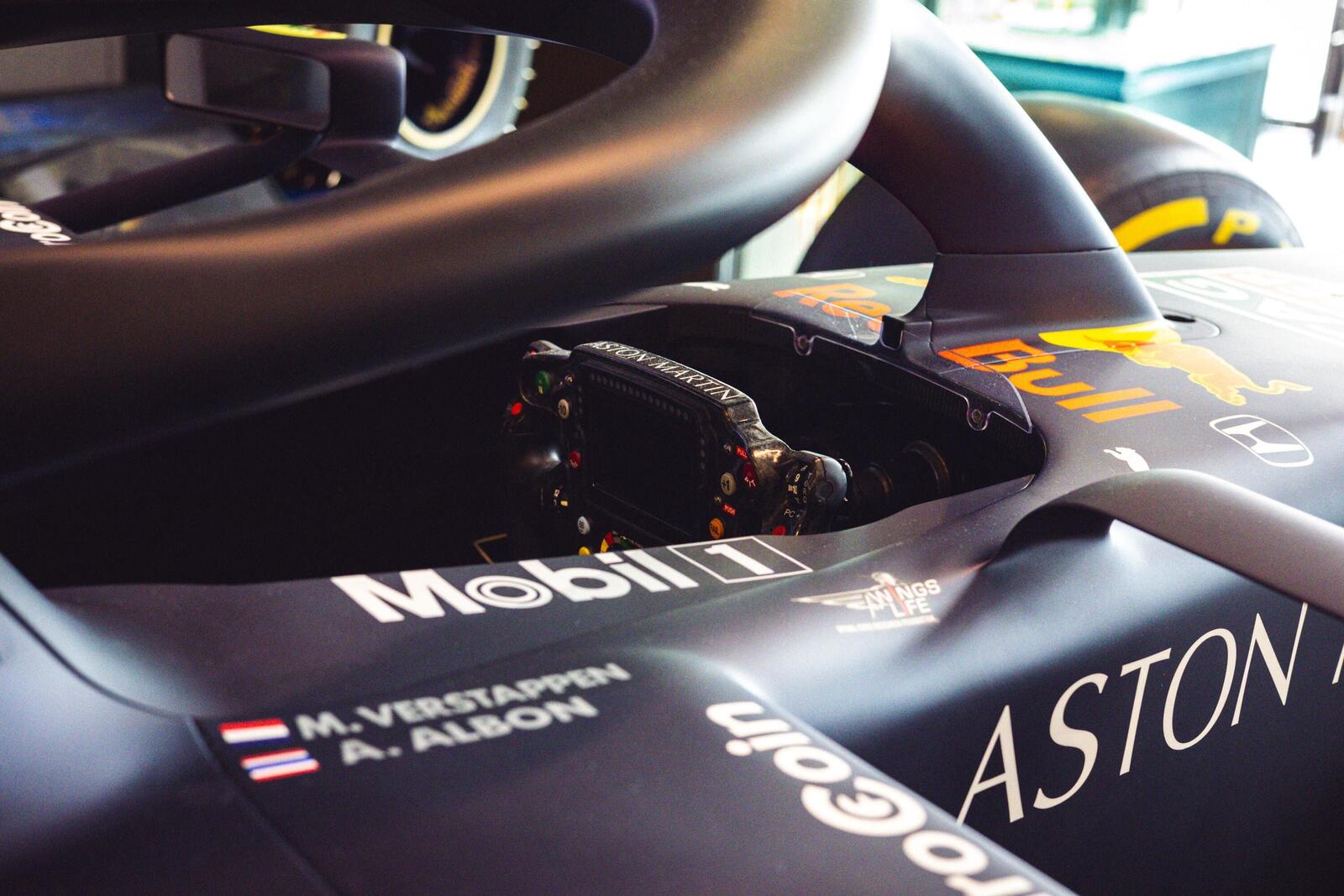
Aston Martin’s version, built with CoreWeave, covers 22 rival channels and more than 15 of the team’s own internal intercom channels. It transcribes each transmission, identifies the speaker and sorts messages by topic, processing all 40 channels within five seconds of capture. It took 75 model iterations and seven hours of radio annotated by hand to get the transcription accurate enough. The system ran as a live test at the final two races of 2025 in Qatar and Abu Dhabi before a full rollout in 2026. It’s one team’s setup, and the same legal access to rival radio applies to everyone else on the grid.
Eavesdropping On The Rest Of The Grid
The useful material buried in all that audio is mostly competitor tyre feedback, strategy signals, driver complaints and engineering observations, which is why Alpine’s example search was for tyres overheating and why Aston Martin’s system sorts by topics such as tyres, grip, strategy and energy management. A driver saying they’re struggling for grip tells you very little until you know which tyre they’re on, so being able to filter by compound is what turns a pile of complaints into something an engineer can act on.
CoreWeave illustrates this with a scenario set at the 2026 British Grand Prix, where an engineer is choosing between medium and hard tyres on lap 32. Two rival cars on hards have been reporting grip problems for eight laps; filtering by compound brings those comments up in seconds, so the car pits for mediums. Engineers can also type a question such as what the Ferraris are saying about tyre degradation and receive a summary built from live audio. In the scenario, it’s still the engineer who pulls up the platform and makes the call.
Everyone knows everyone else is listening, which has led some teams to talk for the benefit of their audience. According to Motorsport.com, McLaren chief executive Zak Brown told Bloomberg that the team asks its drivers real and fake questions because all the teams are allowed to listen to each other. If the team asks a genuine question about tyres, anything it asks afterwards is bogus and the driver is meant to give a fake answer such as saying the tyres can’t last much longer so that rivals start planning around a pit stop that isn’t coming. A transcript of that exchange looks identical to a real one, which leaves the judgement with the engineers. Christian Horner said at the time that Red Bull ignored one such McLaren call because it made no sense given that Norris would have come out in traffic.
A Memory For Every Understeer Complaint
The second part of Aston Martin’s system focuses inwards, capturing the team’s own driver feedback and engineering conversations so they can be searched later. If a driver mentions having more understeer than in first practice, the comment is logged, timestamped and tied to the car setup data from that session, which saves anyone from being the designated note-taker and makes “I never said that” a harder argument to win.
Everything stays in the archive after the chequered flag. Every message from every session, rival and internal, is indexed and kept, so engineers can review strategy decisions with the audio alongside them and look back across a whole season. A question like what was said over the radio in the last ten laps of last year’s British Grand Prix gets answered in seconds, where it once meant hours of listening.
What Changes When Hours Of Radio Become Searchable
Team radio has always been an open source of information for rival teams, but the amount of chatter made it difficult to monitor everything in real time. AI changes the equation by turning those conversations into searchable information that engineers can retrieve in seconds, whether they’re looking for a tyre complaint during a race or reviewing a strategic decision weeks later.
The technology doesn’t tell teams which information to trust, especially when drivers are deliberately misleading their rivals, but it gives engineers a much faster way to find the conversations that are worth paying attention to.


