


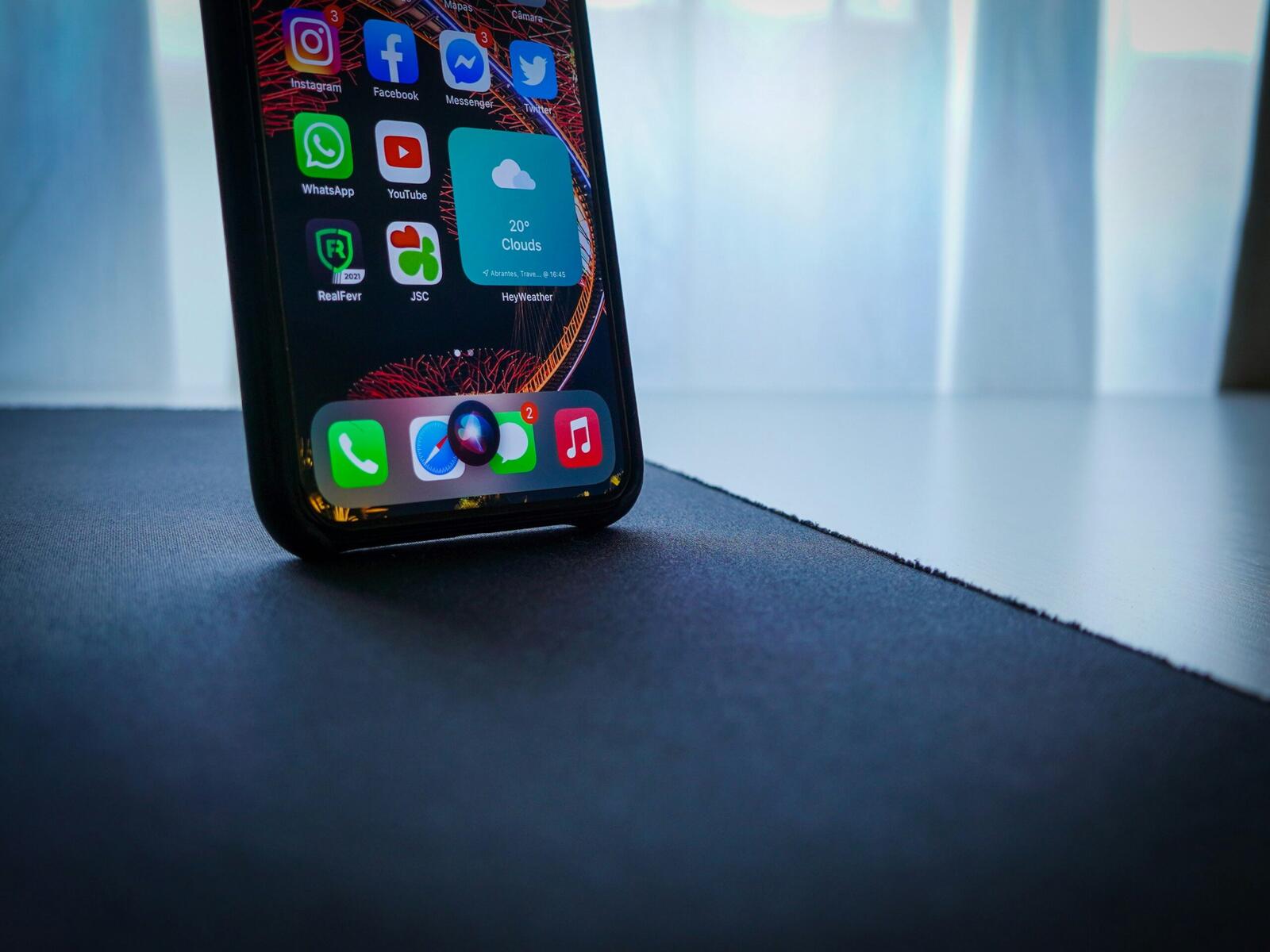
In 2024, Apple and OpenAI had announced a partnership with some ambitious commercial goals for both companies.
Apple had announced that ChatGPT would work with Siri and other Apple software through its Apple Intelligence system, and the agreement also gave iPhone users a way to sign up for ChatGPT subscriptions through iOS settings.
OpenAI expected the partnership to bring subscription growth and more visibility for ChatGPT on Apple devices. But that partnership may now head toward legal conflict, because relations between the companies have deteriorated…
Reuters reported that OpenAI lawyers are working with an external legal firm on possible action concerning the agreement. One option under discussion involves sending Apple a breach of contract notice without filing a full lawsuit.
Neither company has publicly commented on the legal discussions.
Why Has OpenAI Become Frustrated With Apple?
Reuters reported that OpenAI expected ChatGPT to receive much more integration within Apple software than it eventually received. Impact Newswire reported that OpenAI executives believed ChatGPT tools were buried too deeply within Apple software and never received the visibility originally expected. Revenue from the partnership also reportedly fell below company projections.
One OpenAI executive summed up the relationship harshly, saying the company was asked to “take a leap of faith” with Apple but that the arrangement “didn’t work out well.”
Reuters also reported that OpenAI attempted to renegotiate parts of the agreement, though discussions never progressed very far.
The disagreement does not involve exclusivity. Reuters reported that Apple testing rival AI systems did not trigger the legal preparations because the original agreement never prevented Apple from working with competing AI companies.
That issue has become more important after Apple expanded discussions with rival AI developers.
More from News
- What Can Startups Learn From HSBC’s AI-Driven Job Cuts?
- Moterra AI Achieves Select Partner Tier In Anthropic’s Claude Partner Network
- GoDaddy Launches Web App Hosting With API For AI Coding Tools
- 7 In 10 Consumers Have Never Investigated What’s Inside Their Smartphone
- Tango Turns Live Communities Into a Force For Breast Cancer Research
- Two Thirds of Brits Are Telling AI Chatbots Their Secrets But Don’t Trust The Companies Behind Them
- Video Game Companies Are Abandoning “Buy Our Console To Play This” – Here’s Why
- UK Gambling Operators Face New Deposit Limit Rules From 30 September
Which AI Companies Is Apple Now Testing?
Reuters reported that Apple is testing AI integrations from Anthropic and Google’s Gemini platform.
Bloomberg also reported this month that Apple may eventually allow users to choose between third party AI models. That decision could remove OpenAI’s exclusive status within Apple software.
Reuters reported that Google Gemini is expected to support Apple’s revamped Siri later this year. Apple is expected to discuss additional AI software plans during its June developer conference.
Impact Newswire reported that Apple also has reservations about OpenAI’s privacy standards and hardware ambitions.
Those reservations grew after OpenAI recruited former Apple executives, including Jony Ive, who is helping lead OpenAI’s hardware work.
The relationship now looks very different from the optimistic partnership announced a couple of years ago.
What Does This Mean For Apple’s AI Strategy?
The dispute’s timing isn’t so great, especially for Apple’s AI rollout.
You’ll remember that Apple recently agreed to pay about $250 million to settle a lawsuit due to delayed Siri AI features after criticism connected to Apple Intelligence promises. Reuters reported that Apple plans to reveal more about its AI software strategy during its annual developer conference in June.
The dispute also exposes the reality facing software companies working within Apple’s mobile ecosystem. Impact Newswire reported that Apple controls one of the world’s most powerful smartphone platforms, giving the company enormous influence over third party services using the iPhone for user growth and distribution.
That influence could become even more important as AI companies compete for smartphone integrations, consumer apps and digital assistants. The agreement gave OpenAI access to millions of Apple users and ChatGPT gave Apple a quick route toward improving Siri and Apple Intelligence without building every AI tool internally.
Now, the partnership that once looked commercially valuable for both companies may soon become a legal dispute instead of what could’ve been a massive AI partnership.


