


One trillion is a number that almost breaks the human brain…
Most people can picture a million and billionaire feels harder to grasp, but a trillion? That exists on an entirely different scale. As Abi Hill, CEO at Just Starting Out mentioned, one million seconds lasts around 11 days, one billion seconds lasts around 32 years, and one trillion seconds lasts more than 31,000 years.
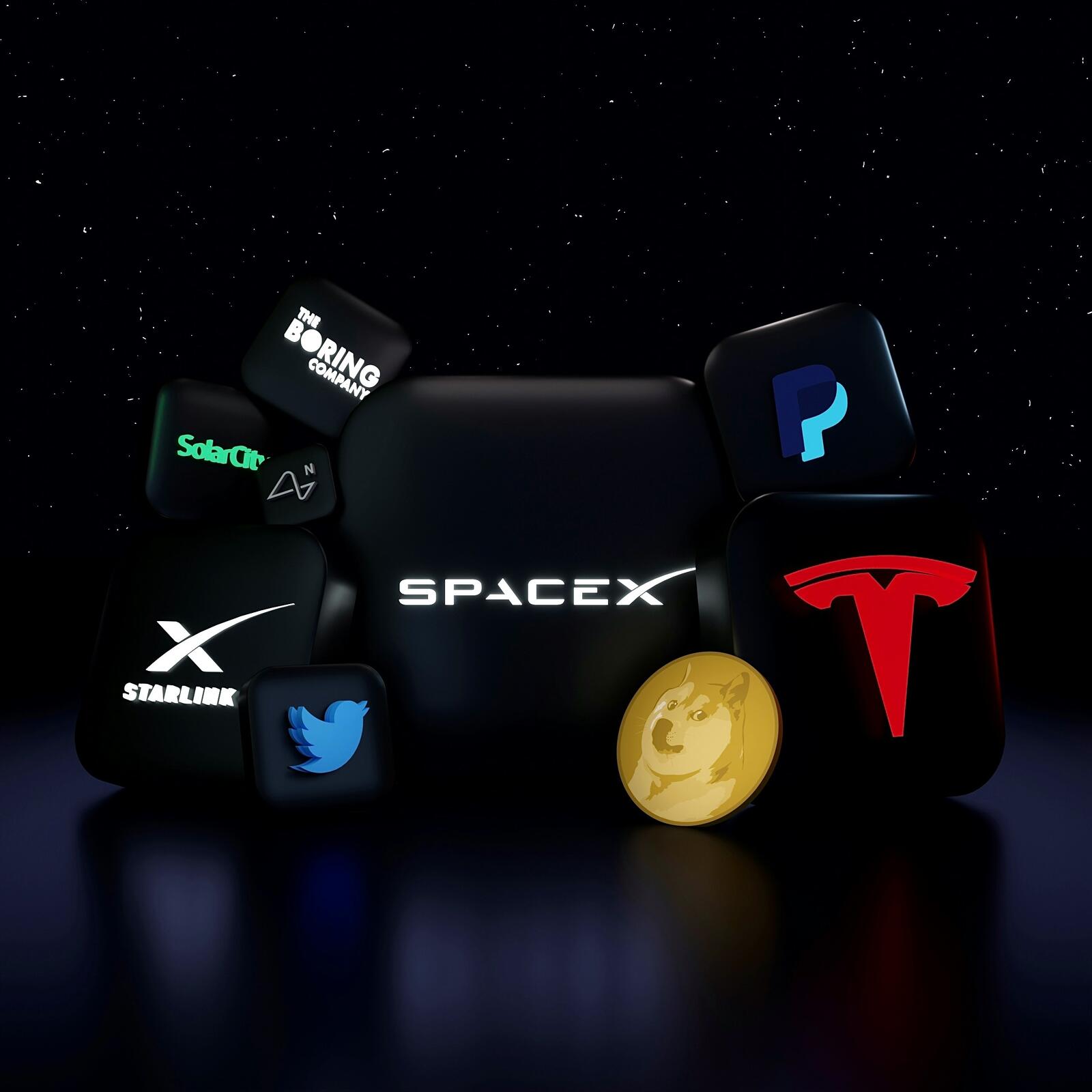
That number is being discussed quite a bit after SpaceX’s record breaking stock market debut. We previously spoke about how the company raised $75 billion during its IPO and reached a valuation above $2 trillion. Forbes reported that the listing pushed Elon Musk’s estimated net worth above $1 trillion, making him the first publicly recognised trillionaire.
The announcement generated fascination for an obvious reason. Most people never encounter wealth measured in billions, let alone trillions. Once fortunes reach that level, the discussion becomes less about personal spending and more about ownership, corporate value, economic influence and the systems used to measure wealth itself.
The Trillion Dollar Club Has Nothing To Do With Cash
One of the most common misunderstandings about wealth rankings is the belief that a trillionaire has $1 trillion sitting in a bank account but that is not how net worth works.
Abi Hill explained, “It’s also important to understand that becoming a trillionaire doesn’t mean someone has a trillion pounds or dollars sitting in a bank account. Net worth is largely calculated using the value of assets such as company shares, property, and investments. In Elon Musk’s case, the vast majority of his wealth is tied to the market value of the companies he owns or has significant stakes in.”
A homeowner experiences the same principle on a much smaller scale. Pranav Bhatnagar, Author of AI Security at Amazon, said, “A simple example is owning a house. If your home’s value doubles, your net worth increases even if you never sell the house or receive extra cash. The same principle applies to company founders, just on a much larger scale.”
SpaceX’s valuation came up a lot after its IPO, which immediately increased the estimated value of Musk’s ownership stake. hat increase existed mainly on paper. Converting ownership into cash would require selling shares, paying taxes and dealing with market reactions that could affect the value of those same assets.
Mark Vena, CEO and Principal Analyst at SmartTech Research, explained, “Frankly, the biggest misconception is that Musk now has a trillion dollars sitting around to spend. He is a trillionaire on paper, meaning most of that wealth is tied to company ownership, and turning it into cash would be complicated, taxable, market-moving, and potentially damaging to the very assets that created the valuation.”
What About The Sectors Getting The Money?
Musk’s wealth did not come from a single company. It came from ownership stakes in businesses operating in sectors that investors currently value extremely highly.
AI, robotics, satellite communications, electric vehicles, energy systems and space tech all feature prominently within Musk’s business empire. According to Srbuhi Avetisyan, Project and Business Development Specialist at Scopic Software, “Elon Musk reaching trillionaire status is not only a personal wealth story. It is also a signal about where markets believe future infrastructure value will concentrate.”
Investors are placing trillion dollar valuations on companies operating in these fields because they view them as building blocks for economic activity over the coming decades. That helps explain why SpaceX reached a valuation that exceeded many long established multinational corporations.
More from News
- Vidoser Launches AI-Powered Platform To Streamline Creator Marketing For Brands And Agencies
- A “Power Event” At Google Cloud’s London Region Affected Revolut And European Banks – What Happened?
- Anchor Launches Action Index, Cutting Computer-Use Agent Token Costs By 100X
- Anthropic Selects Build Circle As A UK Partner To Help Supercharge AI Realisation For Clients
- An OpenAI Engineer Is Charged Over A $14 Recording Device – What Does It Say About Security At AI Labs?
- Mhance Acquires CPS And City Dynamics To Strengthen Its Copilot, Modern Work And Business Solutions Capabilities
- What Can Startups Learn From HSBC’s AI-Driven Job Cuts?
- Moterra AI Achieves Select Partner Tier In Anthropic’s Claude Partner Network
Kyle Sonlin, Co-Founder and President of Global Settlement, said, “I think the biggest impact is that it reinforces where investors believe some of the largest opportunities of the next decade exist, because if you look at the companies that have driven Elon Musk’s wealth, they’re concentrated around a handful of industries such as artificial intelligence, autonomous transportation, space technology etc.”
He added, “Right now, that future appears to be centered around AI, automation, energy, space and even on the digital infrastructure that powers how global economies and financial systems operate today.”
When Does Wealth Become Influence?
Questions about trillionaires rarely stay focused on money for very long because money at this scale creates influence over companies, technologies, infrastructure and public discussions – and that is where the ethical debate begins.
Mark Vena said, “The ethical question is not just whether one person should have that much wealth, but how much power comes with it. When one individual can move markets, shape public policy, influence infrastructure, and dominate entire industries, society has to ask whether wealth creation and democratic accountability are still in balance.”
Pranav Bhatnagar framed the discussion differently. He said, “Some people see extreme wealth as proof of innovation and value creation. Others question whether any individual should control that much wealth while many people struggle with basic necessities.”
Neither perspective has disappeared, particularly as fortunes become larger and ownership of important technologies becomes concentrated in fewer hands.
Could Somebody Richer Be Hiding In Plain Sight?
Rich lists create the impression that every fortune can be measured accurately but reality is far messier.
Public company ownership is relatively easy to track because shareholdings and market valuations are available. Private wealth presents a different challenge. Family fortunes, royal wealth, sovereign assets and closely held business empires often lack the same level of visibility.
Vena said, “It is possible, but not proven in any reliable public way. Hidden dynastic wealth, sovereign-linked wealth, and private family fortunes are hard to measure, but ‘unknown richer people’ claims often drift into speculation without hard documentation.”
Bhatnagar added, “In reality, there may be private individuals, royal families, or owners of closely held assets whose true wealth is difficult to measure accurately.”
That uncertainty means public rankings should be viewed as estimates based on available information rather than definitive lists of every wealthy person on Earth.
The Real Lesson Is Ownership
The trillionaire milestone generated fascination because the number feels almost impossible to comprehend. The more interesting lesson lies elsewhere.
Abi Hill said, “For entrepreneurs, Musk’s reported trillionaire status is less a story about cash and more a story about ownership.”
She added, “The real lesson for aspiring business owners isn’t the headline figure itself. It’s understanding how value is created. Wealth on that scale is generally the result of building products, services, and companies that millions of people use every day.”
That idea explains far more about trillionaire status than the number itself ever could.


