


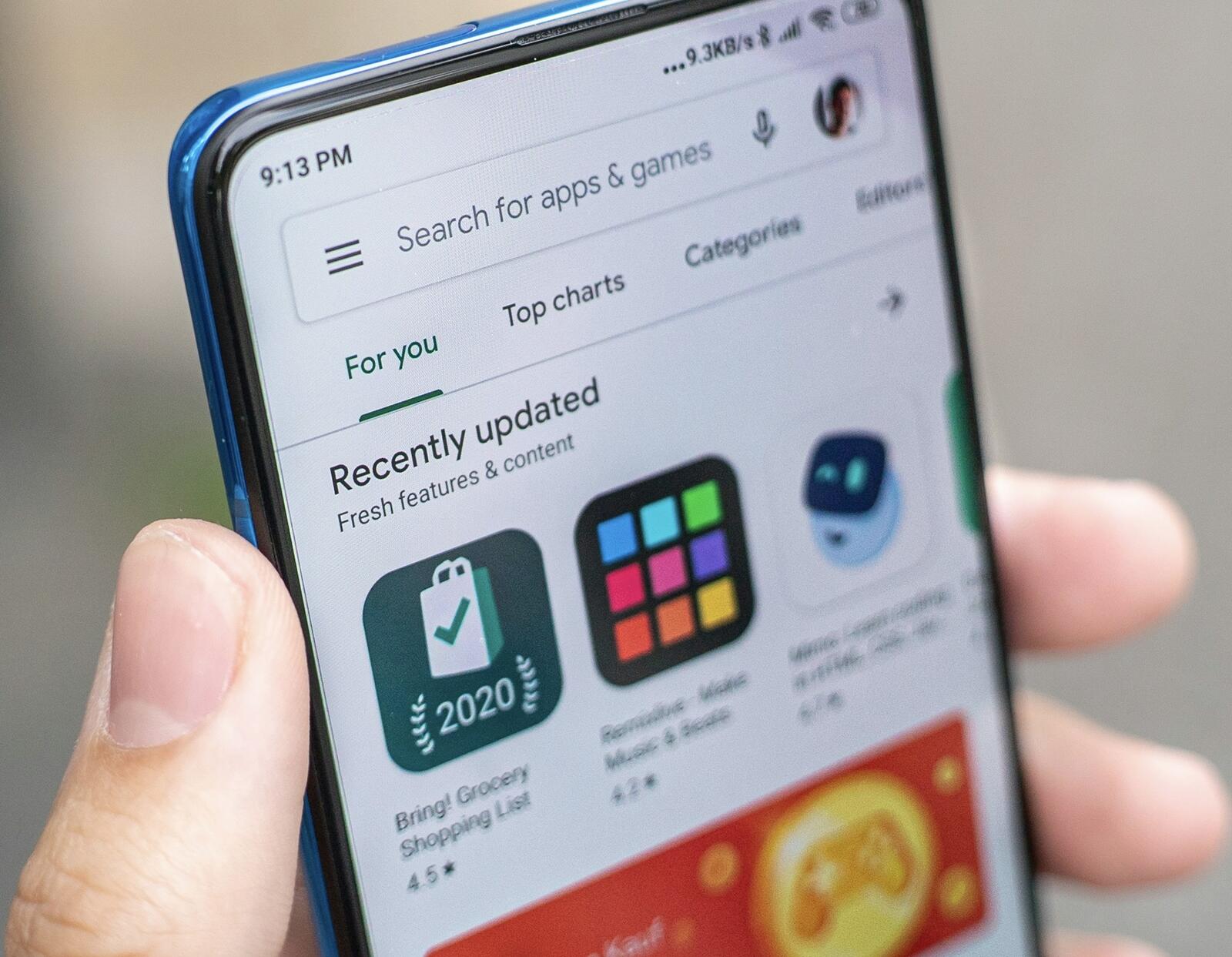
Google is making a massive change to the Google Play business model and this might be the biggest change we’ve seen from it in years. Developers can expect more freedom as Google will be separating the cost it takes to distribute apps on Google Play, from the cost of having to process payments.
Before this, developers had to pay one fee for the two services but now, these will be separated, which means:
EU, UK and US developers can now use Google Play billing, use an alternative billing provider and now, linking users to an external site to complete purchases is possible. Basically, developers do not need to rely on Google’s default payment options because they can now design their own.
What Does This Mean For Developers?
Well, for starters, it means developers have more flexibility over things like payment processing. We know that big players such as Spotify have been trying to push for this to happen.
For small developers, using Google Play’s billing might still be preferred because things like taxes, compliance, refunds and other such admin are handled by Google. These kinds of services help make processes less complex for the developers, so the 5% billing fee still seems worthy for them.
When it comes to Google, this is their way of trying to adapt to pressures faced by regulations. Many authorities in the UK, EU and elsewhere, really, have been questioning whether apps stores should be allowed to have developers use their own systems for payment. Google’s response to that is to build a framework that will give developers options while still making something out of it through the service fee.
More from News
- What Can Startups Learn From HSBC’s AI-Driven Job Cuts?
- Moterra AI Achieves Select Partner Tier In Anthropic’s Claude Partner Network
- GoDaddy Launches Web App Hosting With API For AI Coding Tools
- 7 In 10 Consumers Have Never Investigated What’s Inside Their Smartphone
- Tango Turns Live Communities Into a Force For Breast Cancer Research
- Two Thirds of Brits Are Telling AI Chatbots Their Secrets But Don’t Trust The Companies Behind Them
- Video Game Companies Are Abandoning “Buy Our Console To Play This” – Here’s Why
- UK Gambling Operators Face New Deposit Limit Rules From 30 September
How Do Experts Think This’ll Impact Small Developers And The Industry?
Diana Yevsieieva, Strategic Consultant at BellaVista Project, said, “It appears that this is more of a defensive pivot for Google to avoid antitrust action and address the increasing desire for digital sovereignty, rather than altruistic in nature.
“The operational impact to developers will be two-fold:
“Decoupled Economics: Google has created a situation where developers must now calculate what “the cost of convenience” is by splitting the service and billing fees.
“For independent developers, this will force them to make a strategic decision on whether to use Google’s billing for a friction-less UX (total 15% cost) or build/integrate their own customized payment flows to maximize their margins. As a result, the focus of developers will be shifted from simply commission percentages to what the total cost of ownership will be.
“The Evolution of “Walled Gardens”: The base service fee of 10% is a plus for small developers, however, it has also essentially mandated that small developers pay additional attention to their data and payment solutions. In addition, this makes it quite clear that platform distribution is no longer “set & forget,” but rather that developers will now have to operate their own charging solutions to be competitive.”
Ben Rometsch, Co-Founder and Chief Technology Officer at Hoxton Mix shares his views on Google Play’s Fees, saying, “For smaller engineering teams, a lower Google Play fee will have a positive impact on margins. This means independent agencies and studios can reinvest in product development, customer acquisition and hiring, rather than seeing that money disappear into platform costs.
“For the industry at large, we’re seeing a continued shift in the relationship between platforms and developers. Separating app distribution from payment processing introduces more competition and gives businesses greater flexibility in how they reach and monetise customers. That’s healthy for the engineering and app technology ecosystem because it encourages innovation instead of locking developers into a single commercial model where it can feel like a race to the bottom.
“Ultimately, this is another sign that the mobile app economy is maturing and Google’s move is positive but we’d now like to see Apple do more and follow suit. Developers deserve fair and consistent terms across both major app providers so that they continue to be treated as partners rather than just another service provider. That’s likely to create a more diverse, competitive marketplace over the coming years.”


