


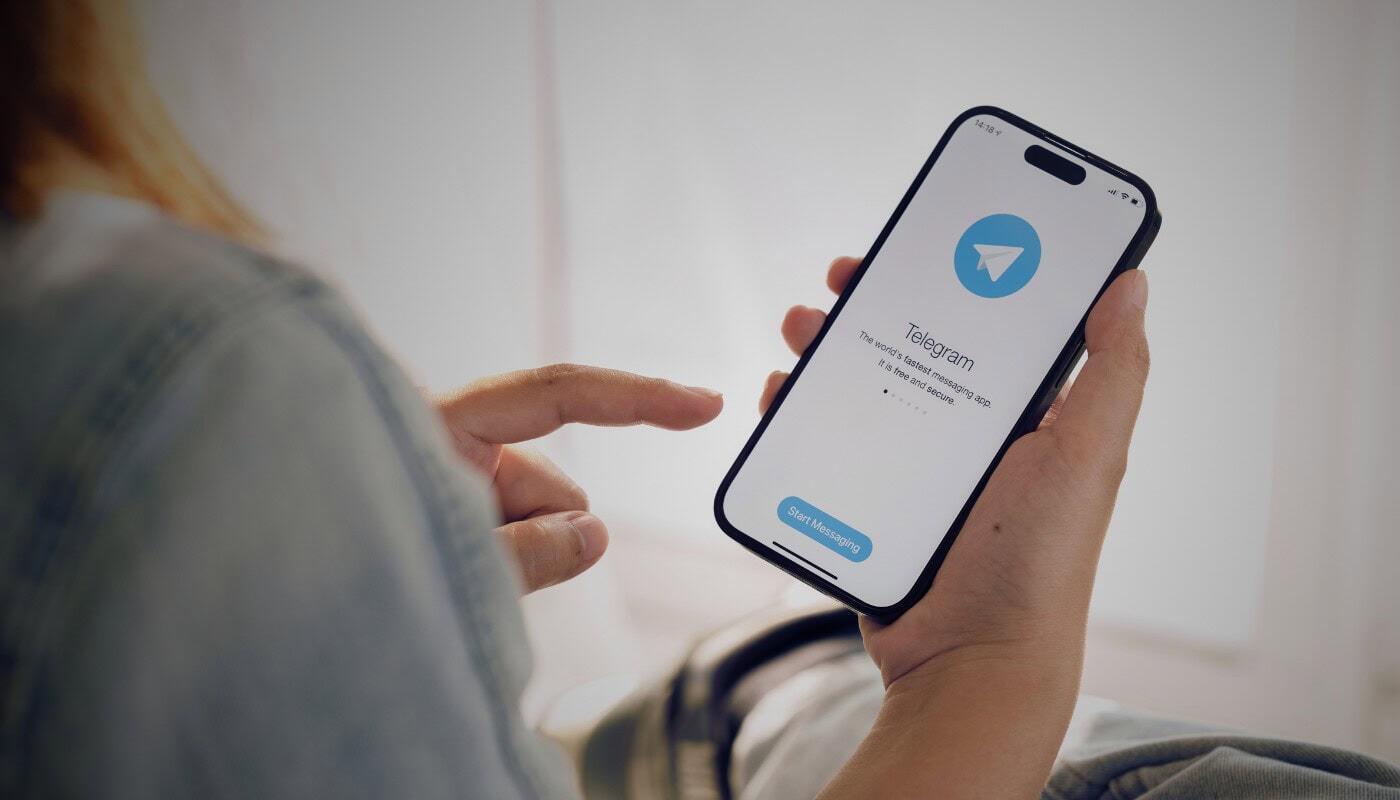
Telegram recently vanished from the global App Store after child sexual abuse material was found accessible on the platform. The exile lasted only a few hours. Telegram purged the content, blocked the account involved and secured immediate reinstatement from Apple. Existing app users noticed no service disruption while the platform addressed the issue.
This was the third time Apple has removed Telegram from the App Store. The first was in 2018 over inappropriate content concerns. The second was in June 2025, when Apple banned a pro-terror Telegram channel across devices. Each removal was resolved relatively quickly. The pattern is simply too clear to ignore, particularly when set against Apple’s relationship with X.
Since Elon Musk took over in 2022, X has dealt with heavy moderation criticism over hate speech, harassment and CSAM content. Apple keeps X available on the App Store anyway. It remains silent on why Telegram faces strict removal policies while X operates under different rules.
How Apple Really Enforces App Store Rules
Apple’s App Store guidelines clearly prohibit CSAM and other categories of harmful content. Apple never clarifies the point where a platform violation escalates from a basic content takedown to complete app removal. This unpublished line leaves developers unable to predict what scale or type of violation will trigger a total ban. The only distribution-layer tool Apple appears to have when its review finds accessible CSAM is complete removal: there’s no surgical content-layer enforcement, no formal pre-removal notice and no independent appeals process.
Architectural differences explain the Telegram-X divergence better than political bias. X retains visible compliance mechanisms including reporting tools, age gates and sensitive media filters that Apple treats as acceptable baseline compliance, even with poor real-world moderation results. This view means Apple’s enforcement checks whether a platform installs the required tools, disregarding how well those tools actually work. Telegram, which has historically resisted pressure to moderate, may face stricter standards because it has been slower to build out its visible compliance architecture.
More from News
- Mhance Acquires CPS And City Dynamics To Strengthen Its Copilot, Modern Work And Business Solutions Capabilities
- What Can Startups Learn From HSBC’s AI-Driven Job Cuts?
- Moterra AI Achieves Select Partner Tier In Anthropic’s Claude Partner Network
- GoDaddy Launches Web App Hosting With API For AI Coding Tools
- 7 In 10 Consumers Have Never Investigated What’s Inside Their Smartphone
- Tango Turns Live Communities Into a Force For Breast Cancer Research
- Two Thirds of Brits Are Telling AI Chatbots Their Secrets But Don’t Trust The Companies Behind Them
- Video Game Companies Are Abandoning “Buy Our Console To Play This” – Here’s Why
The Consistency Problem
The system-based argument seems reasonable, yet it uncovers a clear problem. Rewarding the impression of compliance forces platforms to prioritise public moderation tools over genuinely effective enforcement. That creates a divide between what App Store policy claims to require and what it actually incentivises.
Reports state that X may benefit from a more accommodating post-2023 relationship between Elon Musk and Apple following behind-the-scenes negotiations. Apple hasn’t confirmed this. Whether the reason comes down to system design, partner relations or a mix of both, the result remains the same. Two platforms with documented CSAM risks received completely different enforcement penalties, and Apple has shared no public explanation for its choices.
This goes beyond the Telegram-X comparison. The broader tension between platform power and enforcement consistency is now drawing regulatory attention. The EU’s Digital Services Act pushes greater transparency around platform enforcement decisions. Apple’s App Store has already been the subject of competition investigations across multiple jurisdictions. Opaque enforcement thresholds that result in inconsistent outcomes are precisely the kind of behaviour regulators are watching.
What Are Developers Left With?
The core problem for developers lies in the fact that App Store enforcement operates without any published guidelines on proportionality. You can read Apple’s guidelines and still not know whether a CSAM incident affecting one user will result in your app being temporarily removed globally. It might result in a content-level takedown request. It might result in nothing at all. The answer, apparently, depends on factors that aren’t disclosed.
Apple removed Telegram in a few hours and restored it the same day – a reasonable response to a serious content violation. The question that remains unanswered is why the same logic hasn’t been applied consistently to a platform whose moderation problems have been considerably more sustained and better documented.


