


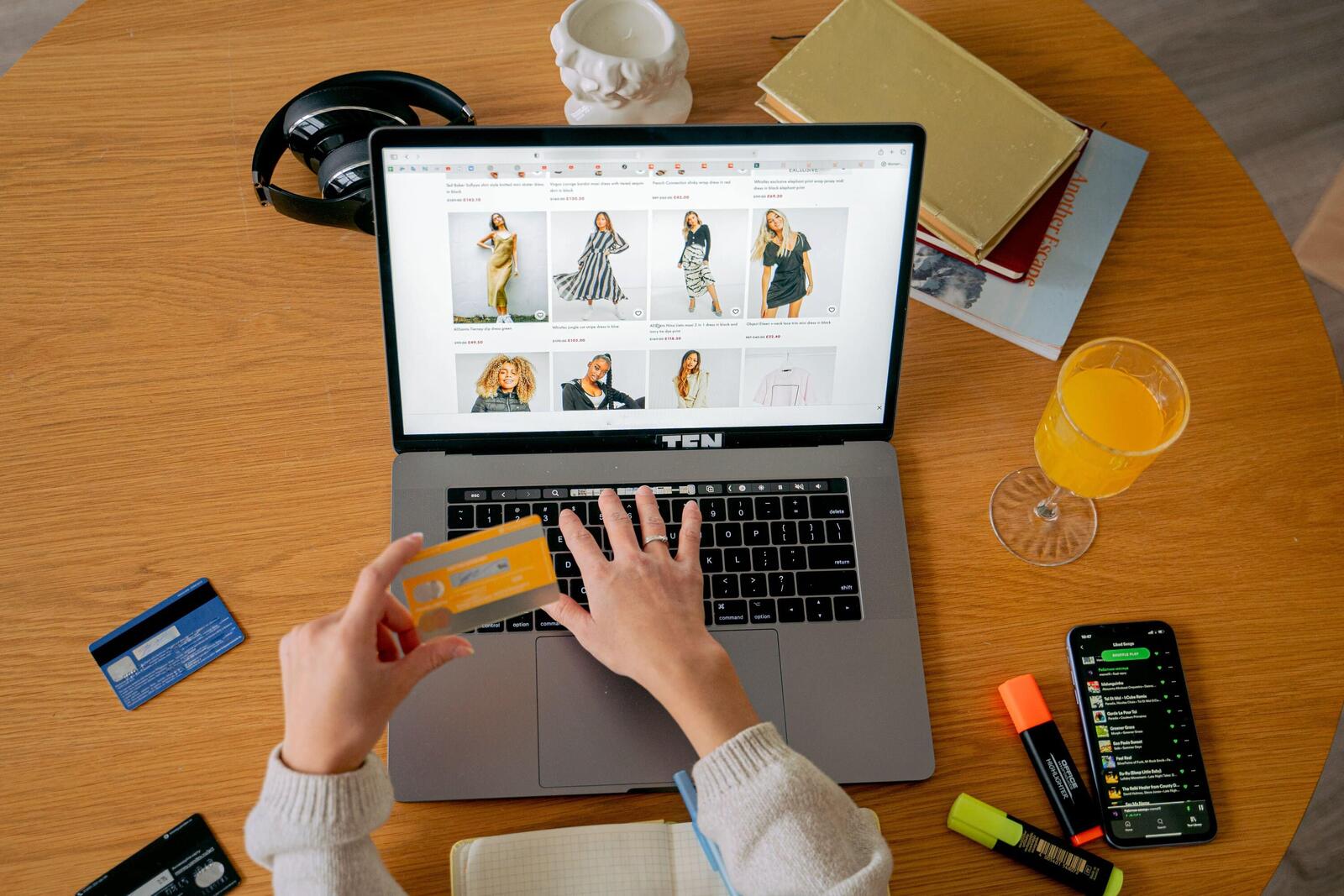
Online shopping has made it possible to spot a pair of trainers on your phone, tap an advert and pay for them before your tea goes cold. The shop that just took your card details may be perfectly legitimate but it could also be designed to look that way. The National Cyber Security Centre (NCSC) warns that criminals can copy the logos, trademarks and products of genuine retailers, while deceptive domains can be made to look similar to legitimate websites.
No single sign will tell you whether a store is dodgy but a few checks before buying can most definitely give you a much better idea of what you’re dealing with.
Check The Web Address Before Anything Else
Start with the domain. Look for misspellings, odd characters or a name that is nearly, but not quite, the retailer you know. The NCSC specifically warns about deceptive domains that resemble genuine retailers. If you reached the store through an advert, email or text you weren’t expecting, find the retailer yourself instead of using the link.
The padlock in the address bar also deserves less faith than it gets. The Federal Trade Commission (FTC) says HTTPS means the connection is encrypted. It doesn’t prove that the website is legitimate; scammers can use encrypted websites too.
More from Guides
- Is the Anti-Unicorn (Zebra) Movement Starting to Grow?
- What Is AI Debt?
- What Is Customer Acquisition Cost?
- What Are Knowledge Graphs And Why Are AI Companies Using Them?
- What Is Human-In-The-Loop-AI?
- How to Make Hybrid Work Easier With Software
- What Is E-Waste And How Is Technology Being Used To Reduce It?
- Best ISO 27001 Tools And Software For UK Businesses: 8 Platforms For 2026
Search For The Store Itself
Type the store’s name into a search engine alongside “reviews”, “complaints” or “scam”. Look beyond the retailer’s own website and see what comes up elsewhere. The FTC recommends searching for information about a company or seller and checking multiple sources instead of relying on one set of ratings.
Reviews can be fake or misleading. A page covered in five-star ratings therefore doesn’t settle much on its own. Look for patterns in what customers are saying – one complaint about a late parcel is very different from page after page of people describing missing orders or refunds that never arrived.
Look At The Price, The Product And The Small Print
A bargain isn’t automatically suspicious, legitimate sales and clearances (do actually) exist, however a product that normally sells for £1,000 being offered for £150 by a retailer you’ve never heard of is still worth investigating.
The FTC warns that expensive branded goods offered at unusually low prices could be counterfeit. Social media can make these offers pretty easy to encounter, since an advert on Instagram, TikTok or Facebook doesn’t always lead to the brand’s official shop.
Look at the total price before paying as well as checking delivery costs and timings as well as the returns and refund policies. The FTC recommends checking these details before buying. The product description should also tell you what you’re actually getting instead of relying on a couple of vague claims and a stock image.
Think About How You’re Paying
The NCSC recommends using a credit card where possible and says not to pay by direct bank transfer when shopping online. It also notes that debit cards may have less protection, although chargeback may be available.
Payment services have their own terms too. A familiar PayPal, Apple Pay or Google Pay logo doesn’t make the retailer legitimate or guarantee that a transaction will be covered, it’s important to check what protection actually applies to the purchase.
Another thing to note is that if a checkout form asks for information that doesn’t appear necessary, pause and consider why it’s being requested.
Why Checking First Is Worth It
None of these checks can confirm that an online store is genuine, but they can give you a clearer picture before you buy. A padlock doesn’t prove it but neither does a page of five-star reviews or a professional-looking website. Looking at the domain, reputation, price, policies and payment options together gives you more to work with when deciding whether a store is worth trusting with your information (and hard earned money) or not.


