


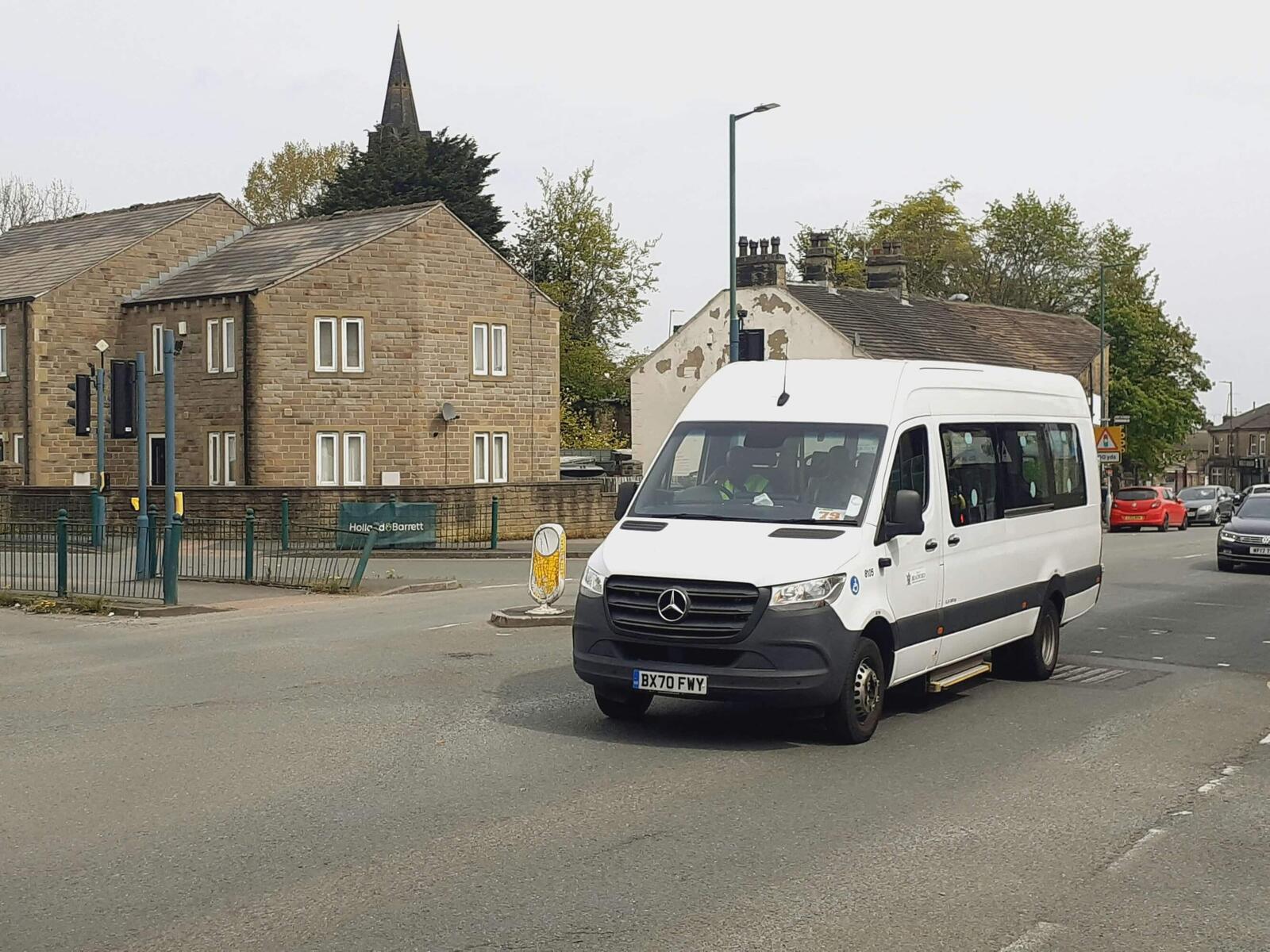
UK businesses might be smaller than you think. The government’s latest estimates are 5,681,930 SMEs, which is 99.85% of the private sector. 4,272,535 of them have no employees. This means self-employed van owners far outweigh large companies across the country.
For the founders who do add a first van to that picture, fuel is not always best planned for. It kicks off small payments across personal cards, petty cash and half-remembered receipts. Few properly own it.
Fuel Is The Cost That Scales With Every Van
Vans really do drive the small-business economy. DfT figures show 4.88 million licensed vans at the end of 2025 and 330,000 new registrations during the year.
If you think about it, it’s not just tradesmen, but coffee shop owners, mobile beauticians, surf teachers and more. The category includes heavy vans up to 4.25 tonnes too. A start-up with two or three of them has fuel as a running cost that, unlike rent, moves with every route a driver chooses and every job that overruns. Then there are fuel prices, which are being driven up by geopolitical events that are hard to predict.
TechRound’s explainer on commodity price volatility lists crude oil and petrol among the energy commodities swung by not just geopolitics but supply and currency. It’s essentially impossible to second-guess and most founders just wake up to different prices, seemingly at random.
What Founders Usually Do Instead
The default is reimbursement, where drivers fill up on their own cards, photograph receipts, and claim the money back at month end. It works until the volume grows. Someone then spends an evening matching receipts to routes, and the business pays for fuel it cannot easily attribute to a job, a driver or a vehicle.
Founders also look for the per-mile figures HMRC publishes, but the guidance on advisory fuel rates says those rates only really apply to employees using a company car. The page (Sep 2026) lists 14p to 27p a mile for petrol and 15p to 22p for diesel. It does not mention vans.
A team running vans should not assume those numbers can stand in for a record of what was actually spent.
More from Startups
- £180m Gets UK AI Startups Started, Who Pays to Keep Them Here?
- How Is Austria Attracting Entrepreneurs?
- 5 Startups Crowdfunding w/c 19.10.2026
- Quite Contrary: The Fastest Way To Scale A Business Is To Slow Down, Says John Messer
- Founder Of The Week: Matt McLuckie
- Top Climate Tech Startups In The UAE To Watch In 2027
- Startup of the Week: SnoreLab
- Columbia University: Successful Alumni That Founded Startups
Where a Fuel Card Fits
A dedicated fuel card changes the problem by moving the record from the driver to the supplier. Specialists such as Allstar Fuel Cards highlight the benefits of choosing a card accepted at 90% or more of UK fuel sites, with an online account that gives fleet managers better visibility over spending. Most fuel card providers also allow businesses to set spending rules, track transactions and export reports, with a single HMRC-compliant invoice covering all purchases.
For a founder though, it really does change who’s doing the work. Spending rules can be set by them, not just who is chasing a receipt. Allstar lists a tool called MileagePoint which is worth a note: it separates business from personal mileage (this is the split that the VAT rules turn on, explained below). So it’s all on the same card and journey planning for fuel stops. Of course, whether a team needs all of that will come down to the fleet.
The VAT Detail Many Founders Miss
Unsurprisingly, it’s HMRC that are putting the most pressure on tighter fuel records. Under VAT Notice 700/64, a business reclaiming VAT (on fuel that employees buy on its behalf) should keep VAT invoices, but with one exception: fuel paid for with a fuel, credit or debit card the business provides. Reimbursed cash purchases is what carries the full paperwork burden.
Timing matters too. A claim just cannot be supported by an invoice that’s dated after the period it covers. So a receipt that announces itself a month late in a driver’s glovebox can leave the VAT claim unsupported.
The mileage route is even heavier. Should a business fund both business and private motoring (without using the fuel scale charge), it then has to keep detailed mileage record, per employee, that covers whether each trip was business or private (along with the allowance rate, the input tax claimed…)
HMRC does have a shortcut for cars here though – the fuel scale charge – which is a flat amount set by a car’s CO2 emissions so the business need not split mileage. It’s instead applied to every car where business fuel is available for private use – methods cannot be mixed across cars. HMRC’s own example:
- Before split, 4,290 total miles
- After split, 3,165 business miles
- £368 of fuel
- Produces a business cost of £271.49 and a private cost of £96.51 before any VAT is calculated
That example is a useful measure of how much arithmetic a poorly recorded van can generate. A card that ties each purchase to a vehicle and a date does not remove the VAT rules, but it takes the reconstruction out of them. When scaling this up to a handful of vans, the benefits become exponential.


