


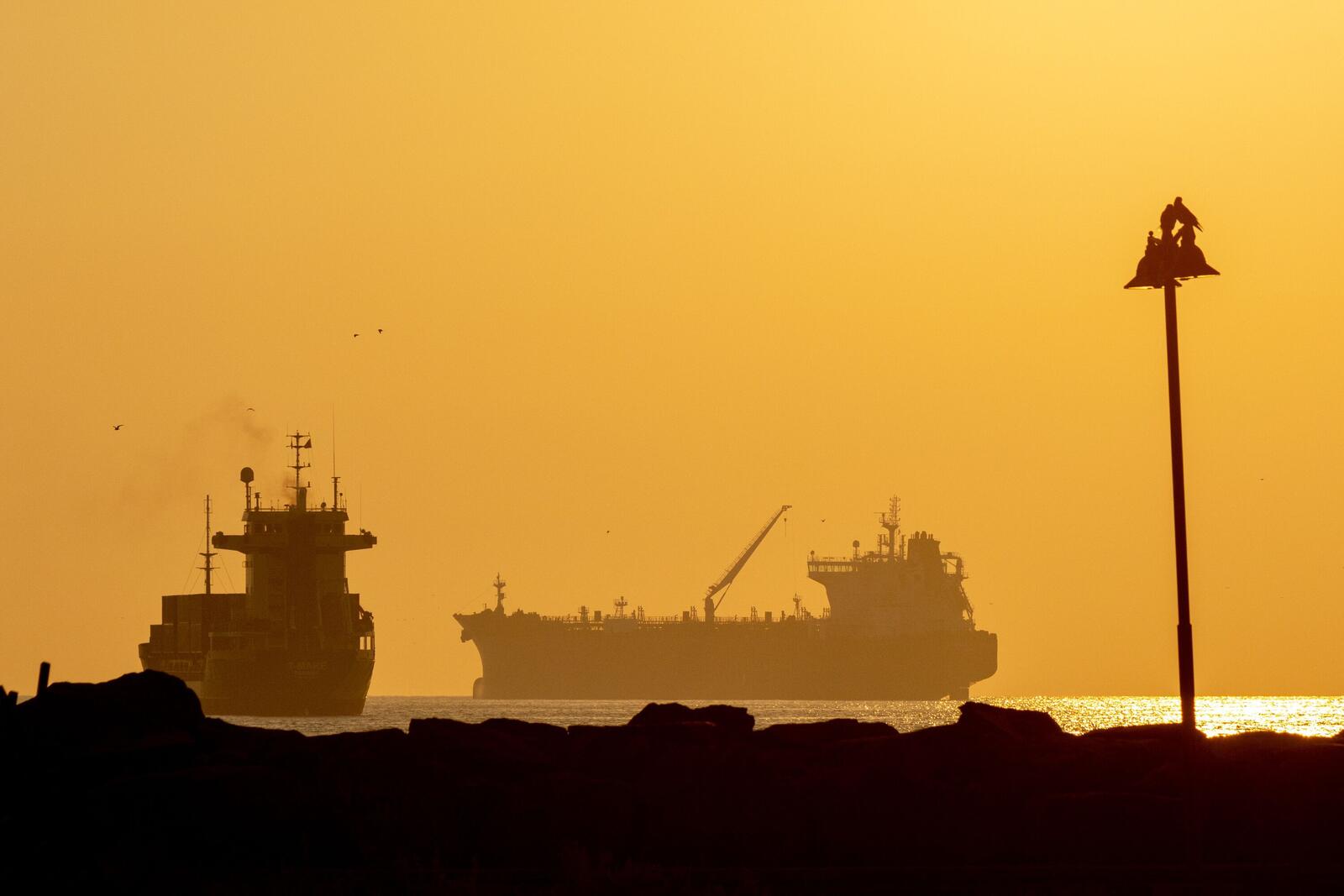
On 28 October, South Korea announced plans to develop the core technology for fully autonomous cargo ships by 2032. The programme will focus on getting vessels to navigate and operate without crews on board, with the country also aiming to become the world’s leading market for autonomous ship orders by 2035.
It’s an ambitious plan for an industry that carries around 80% of global trade by volume. Ships without crews could make certain parts of maritime transport more efficient, but whether they can help fix global supply chains depends on where the delays actually begin.
Why The Delays Mostly Start Away From The Bridge
According to UNCTAD, ships were still avoiding the Suez Canal in early May 2025, with the tonnage passing through around 70% below the 2023 average. Security threats in the Red Sea had pushed shipping companies towards the longer route around the Cape of Good Hope. The disruption also meant that global seaborne trade measured in ton-miles, which accounts for both cargo volume and the distance travelled, grew by 5.9% in 2024 while cargo volumes increased by just 2.2%.
The Panama Canal faced a different problem as a severe drought in 2023 and early 2024 reduced water levels, restricting the number of vessels able to pass through. UNCTAD reported that sailing distances increased by 31% on affected routes, particularly those connecting the Americas with Asia. Port congestion has added another complication, with average waiting times rising across developed and developing economies between December 2023 and March 2024.
Even an autonomous ship would still face the same detours around Africa when canals become unsafe or unavailable, along with the queues that build up outside busy ports. Removing the crew doesn’t remove the obstacles holding up the cargo.
More from News
- Can You Really Be Banned For Being Mean To Claude? Inside Anthropic’s New AI Rules
- Cycode Grows UK Team As Demand For AI Coding Security Takes Off
- An Increasingly Unholy Alliance: Has The US Abandoned Any Pretense Of Separating Big Tech And State?
- Growing Firms Slower To Fix Their Most Serious Software Flaws, Research Finds
- Can Anthropic Go It Alone? What Nvidia’s Crisis Means For Its Big IPO
- Shaking Up Ride Hailing: Zipo Is Officially Live In London
- Exabeam Advances Exabeam Sherpa Into AI-Guided Partner Operating System
- Has Microsoft’s Latest Outage Exposed How Dependent Businesses Have Become On Technology?
What South Korea Wants To Build Anyway
South Korea’s Ministry of Oceans and Fisheries wants to secure the core technology for Level 4 autonomous vessels by 2032. At this level, ships can operate fully autonomously without crew members on board, with AI systems handling navigation, decision-making and vessel operations.
The government plans to invest 464 billion won in the development programme through 2032, covering unmanned navigation, automated engine operations, operational technology and safety testing. This follows an earlier 2020 to 2025 programme that developed Level 3 technology, under which vessels can operate without crew on board but remain remotely controlled from shore.
The ambition extends beyond the vessels themselves as South Korea wants to become the leading country for autonomous ship orders by 2035, with the government forecasting that the global market could reach $200 billion by then. It also plans to establish an automated port test facility at Gwangyang by 2029, using robotic container-handling equipment and other physical AI technologies.
There’s a business opportunity here too. South Korea isn’t simply trying to put its own ships to work without crews. Its established shipbuilding industry gives it a chance to sell autonomous vessels and the technology behind them to shipping companies around the world.
Where A Ship That Talks To Its Port Could Help
Autonomous shipping could bring some practical improvements, even if it doesn’t solve every problem facing global trade.
For starters, sensors could monitor engines and other equipment continuously, helping identify faults before they become serious problems. AI-assisted navigation could also analyse weather conditions, identify hazards and help vessels choose more efficient routes. Better route planning could reduce unnecessary fuel use and delays, although the actual savings would depend on the vessel and its operating conditions.
The bigger opportunity might come from connecting ships with the ports they visit. Better digital connections between vessels and port systems could give operators more time to organise berths, cranes and cargo handling around expected arrival times. Autonomous vessels could eventually become part of these connected systems, helping make the movement of goods more predictable.
This is where South Korea’s investment in automated ports becomes relevant. Developing smarter vessels alongside smarter port infrastructure could help improve coordination across more of the shipping process, rather than just making individual ships more advanced.
The Rulebook Is Still Being Written
Taking people off ships creates a different set of safety and regulatory questions. Who takes control if an autonomous vessel encounters a situation its systems cannot handle? What happens if its navigation software is hacked? And who is responsible if something goes wrong?
The International Maritime Organization (IMO) has started addressing these issues. On 22 May 2026, it adopted its first global safety code for Maritime Autonomous Surface Ships (MASS), covering areas including navigation, connectivity, remote operations, cybersecurity and search and rescue. The non-mandatory code took effect on 1 July 2026 and provides a framework for testing and operating autonomous cargo ships.
Importantly, removing the crew doesn’t mean removing human responsibility. Under the code, the ship’s master retains overall responsibility at all times, even when they’re not physically on board. Remote operations centres also form part of the framework, allowing human operators to monitor and support vessels from land.
The IMO expects to adopt a mandatory version of the code by July 2030, with it due to enter into force on 1 January 2032. That puts international regulation on a similar timeline to South Korea’s technology ambitions, although developing the technology and having it approved for widespread commercial use are two different challenges.
Autonomous Ships Still Depend On Everything Around Them
South Korea’s 2032 target could accelerate the development of autonomous shipping, while better monitoring and coordination between vessels and ports could make parts of maritime transport more efficient.
But the global supply chain is a much bigger operation than the ships moving through it. Secure trade routes, functioning canals, available port capacity and reliable infrastructure will still determine how quickly goods reach their destinations.
The future of shipping might involve fewer people working on board, but it won’t mean people disappear from the process. They’ll still be needed to oversee vessels, manage ports and deal with the problems that even the smartest ship can’t sail around.


