


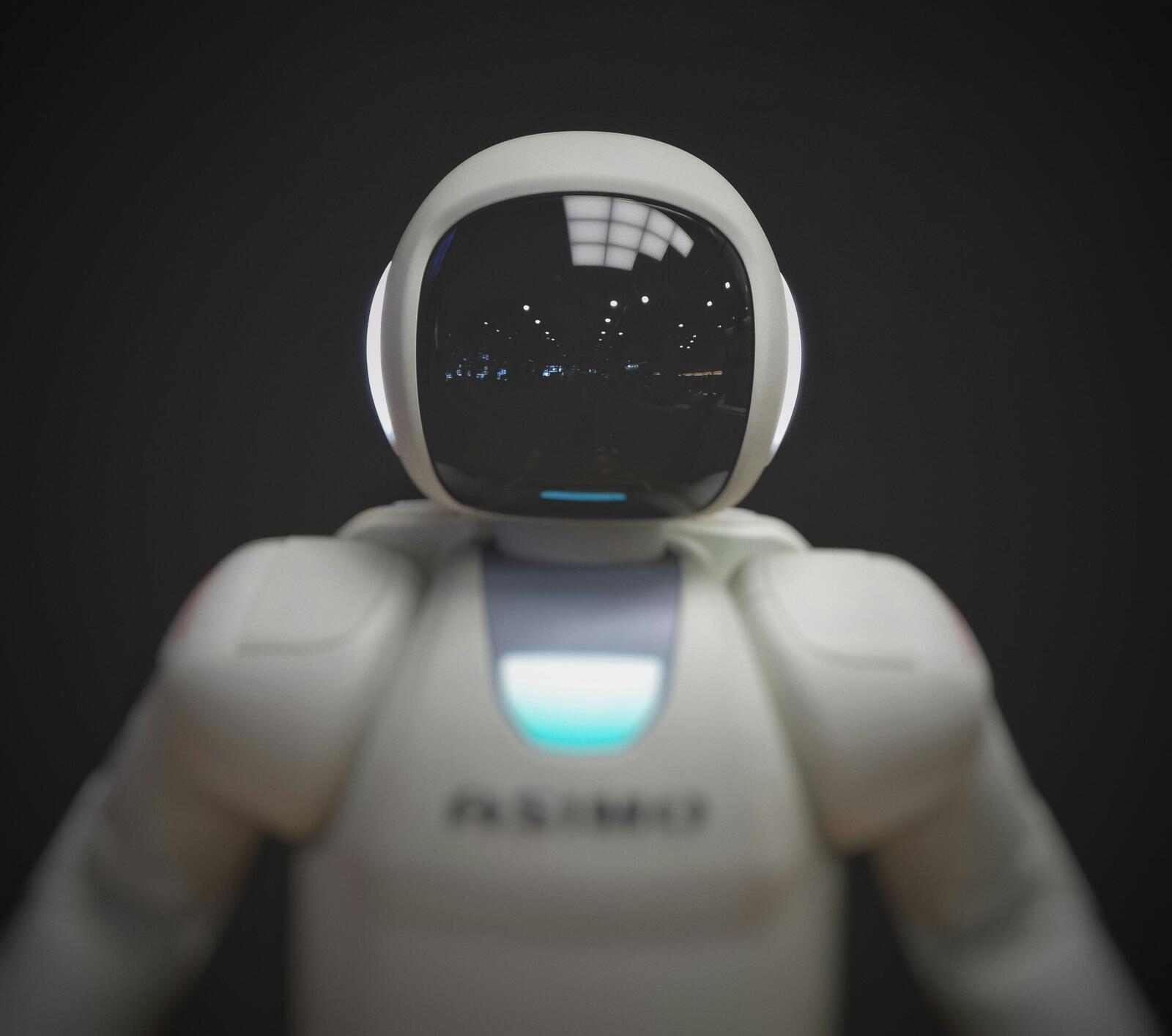
Elon Musk has repeatedly predicted that AI and humanoid robots could eventually make money irrelevant. His theory is that if machines can produce goods and services at a large scale, the cost of making things could fall dramatically. If abundance becomes the norm, why would we still need money?
Musk has suggested this could happen by 2036, which is only 10 years away, with AI becoming more capable and robots taking on much of the work people do today.
It may sound like a pretty great future, with no commuting, no office politics and no checking your bank balance before deciding whether you can afford a takeaway. But there’s a bigger issue hiding underneath the prediction – if money stops deciding who gets what, something else still has to.
What Would A Moneyless World Look Like?
Imagine AI systems running farms, robots building homes and machines handling deliveries. If most work could be automated, the idea of earning a monthly salary might look very different. According to Forbes, Musk has previously suggested that work could eventually become optional, more like a hobby than something people have to do to survive.
The problem is that money doesn’t only exist to pay for labour, but also helps determine how limited resources are distributed when there isn’t enough of something for everyone to have it. AI could potentially make many products incredibly cheap, but it can’t create more land in a desirable location or make every limited resource infinite.
Even in a world where food, clothes and electronics cost very little to produce, there would still be things people compete for. There probably wouldn’t be much fighting over who gets the millionth mass-produced smartphone, but everyone wanting the same beachfront house is a different story.
While earning a salary is obviously a major reason people work, jobs can also give people structure, mental stimulation and a sense of achievement from learning something new or getting better at what they do, so removing the need to work for money could change much more than the way people earn a living. If AI and robots eventually take over the work people do today, Musk’s prediction also leaves us wondering what people actually choose to do with their time when work is no longer something they have to do.
More from Artificial Intelligence
- What Is AI Inference?
- Is AI Making It Easier To Build A Startup, Or Just More Difficult To Stand Out? The Experts Weigh In
- Beyond Headcount: How AI Is Changing The Way Businesses Plan Their Workforces
- Can AI Weather Models Accurately Predict Extreme Events Like El Niño?
- AI Was Supposed to Replace Us. Could Originality Be the One Thing It Can’t Compete With?
- The AI Governance Gap: Why Global Agreements Mean Little Without Corporate Action
- The Best AI-Native Gateways For Developer-First Teams In 2026
- What Does A Planned US “Freeze AI” Walkout Say About Public Attitudes Towards Big Tech?
Who Actually Owns The AI and Robots?
If robots are doing most of the work, their ownership suddenly becomes pretty important. If a handful of companies control AI systems, factories and computing infrastructure producing all of these goods and services, the wealth they create doesn’t automatically become everyone’s wealth.
The machines might be doing the work, but someone still has to own them. If those owners receive most of the value generated by the technology, replacing human workers with robots could change who earns money without changing the basic structure of who holds economic power.
Musk’s own position also adds another layer to the prediction. He’s already the world’s richest person, through his ownership of major technology companies. A future where money becomes irrelevant could look very different depending on whether you’re the person who owns the machine or the person whose job they replaced.
And even if money eventually becomes less important, control over technology, land and other limited resources wouldn’t disappear with it. The question of who gets access to those things would still need an answer.
Would It Change Anything For Us?
A future where robots handle most essential work could mean people no longer need traditional jobs to afford food, housing or other necessities. But that requires more than clever robots. It requires an economic system capable of distributing what those machines produce.
Today’s humanoids can look remarkably impressive in controlled demonstrations, but real-world tasks aren’t quite the same. Getting a robot to reliably handle an unpredictable environment is considerably harder than making it look good on stage.
For ordinary people, that means Musk’s prediction is still very much a future possibility rather than something that is about to change how we live. Even if robots become capable of doing far more work, there’s no guarantee that the benefits will reach everybody equally.
The Real Issue Isn’t Money, It’s Control
Musk could ultimately be right that AI and robotics make many goods and services far cheaper,but lower costs don’t automatically make money irrelevant.
If machines eventually do most of the work, ownership and control could become more important than money. Who owns the robots, controls the AI and decides how the technology is used could determine who actually benefits from this new economy.
Maybe the future won’t require everyone to earn a salary just to get by. But before we start imagining a world without bank accounts, we need to work out who gets to decide what happens when the machines start doing the earning for us.


