


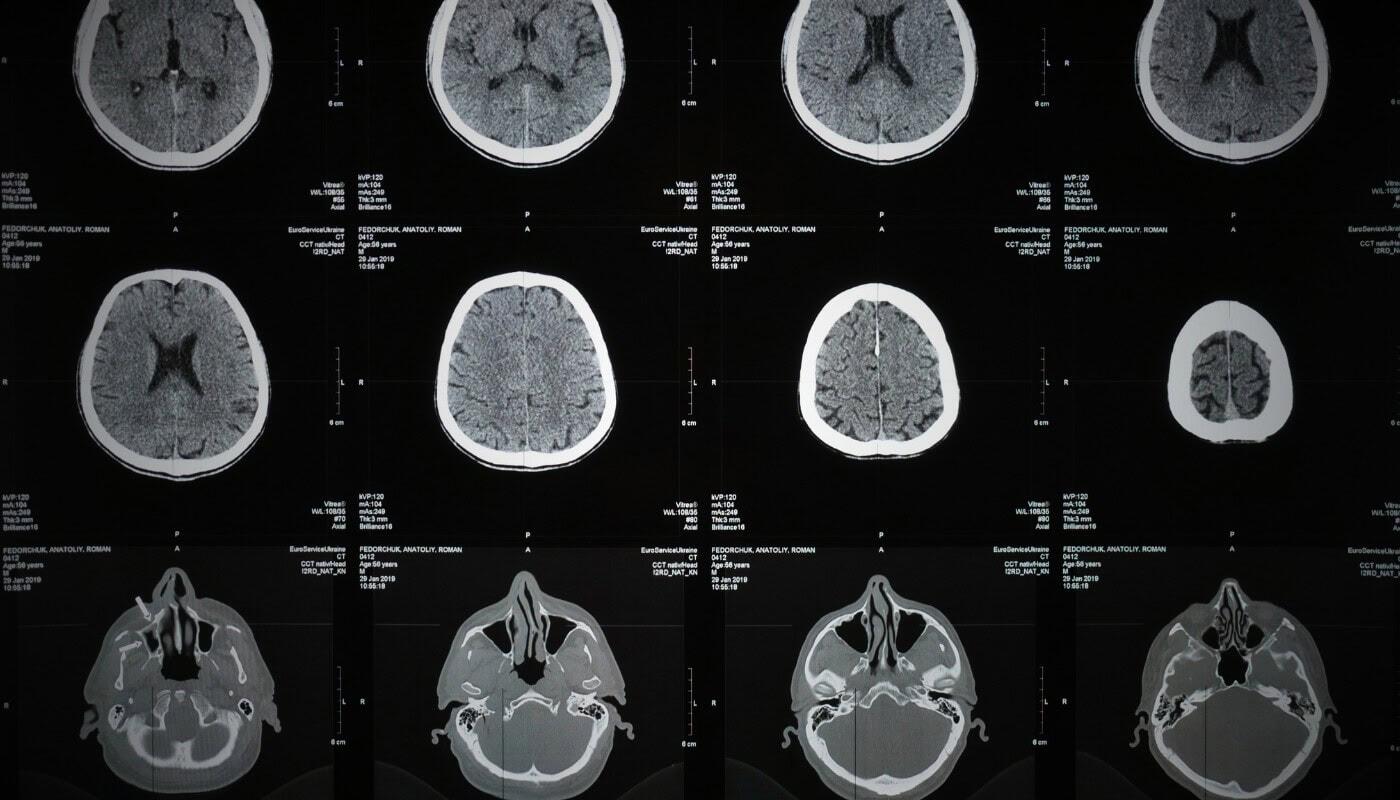
Brain-computer interface developer Precision Neuroscience just locked down a $250 million Series D, officially crossing into unicorn territory with a valuation just over $1 billion.
Bill Ackman’s Pershing Square joined forces with the Ackman Oxman Institute and a mystery life-sciences fund to co-lead the round, bringing Ackman on board for the first time and pushing the company’s total war chest to roughly $430 million.
That investment drops Ackman into a gold rush of billionaire capital pouring into neurotechnology, though the cash is divided across competing hardware designs. Elon Musk went all-in on Neuralink; Jeff Bezos and Bill Gates opted to back competitor Synchron; meanwhile, Sam Altman helped kick off Merge Labs with about $252 million in backing.
Four tech titans, three rival firms and multiple conflicting surgical designs prove there is no single consensus on how to wire up a human brain.
What Does This Technology Actually Do?
Think of a brain-computer interface as a translator: it listens to neural firing patterns, lets software decode what movement you want to make and converts that intention into a command a machine can understand.
Precision is currently focused on helping patients with paralysis control digital screens and machinery using pure thought, demonstrating that its setup can successfully pilot computers and robotic hardware. The realistic near-term uses are medical as opposed to recreational: controlling a cursor or digital interface, selecting letters to generate communication, operating assistive technology or controlling a robotic or prosthetic limb.
The US Government Accountability Office says BCIs have helped people with severe disabilities communicate and use robotic limbs in clinical trials, though implantable BCIs as a category hadn’t yet received FDA marketing authorisation at the time of its assessment.
This isn’t thought-reading, memory uploads, telepathy or a general-purpose brain internet. Current systems decode constrained signals tied to specific intended actions, and they need individual calibration, training and clinical supervision to work at all.
Precision received FDA clearance in 2025 for temporary implants lasting up to 30 days, and its technology has been used in more than 100 temporary patient procedures across 18 medical institutions. Its Layer 7 interface is a thin, flexible film carrying 1,024 electrodes that sits on top of the cortex instead of penetrating brain tissue, which differs from how Neuralink’s electrodes are placed.
Next up for the company is the gruelling climb toward permanent implant approvals, a bureaucratic marathon that the chief executive admits will take years to finish.
More from Tech
- What Tech Infrastructure Does A New F1 Track Need To Join The Calendar?
- Women In Tech: Top 10 Women In Legaltech In 2026
- The Technology Bringing The Virtual World Closer To Reality
- How Technology Has Transformed F1 Cars Through The Decades
- Laifen Cuts Prices Of Swift Special And Neo Hair Dryers For This Shopping Season
- Antivirus vs The Smart Home: Can It Protect IoT Devices?
- Building It Twice: How Digital Twins Are Changing Construction And Management
- What Role Does Tech Play In Solving Criminal Investigations?
Why The Money Is Arriving Now
A perfect storm of tech trends is hitting the sector simultaneously.
Machine learning has finally turned messy brain signals into actionable data because smarter algorithms decode neural chatter faster, trim calibration time and guess what a user wants to do next. Government analysts point to AI, advanced materials and better wireless transmission as the primary catalysts for recent leaps in brain-computer interfaces.
The market logic prioritises medical urgency over novelty gadgets. Restoring basic functions for paralysed patients creates a much clearer path for regulatory approval and health insurance payouts than building consumer tech.
Design philosophies also split the field wide open. Neuralink chases microscopic recording precision with invasive surgery, while Precision opts for a flexible surface film that avoids piercing tissue and stays removable. That fundamental compromise between surgical intensity and safety dictates how the industry competes.
Venture capitalists are obviously placing chips on a broader empire than a single medical tool. A successful enterprise needs hardware sensors, decoding software, hospital alliances and clinical datasets, opening the door to recurring revenue models even if profitability remains theoretical.
Strategic pressures add another layer of complexity. Investigators are already exploring defence and workplace use cases alongside lingering questions about cognitive privacy and long-term patient support once clinical trials wrap up.
What Not To Overstate Here
Brain-computer implants are still strictly experimental, leaving questions of long-term safety, reliability and hardware maintenance wide open.
Current systems can’t read your unexpressed thoughts, and wellness claims about cognitive enhancement rest on far weaker proof than legitimate medical demonstrations. Regulatory clearance for temporary testing doesn’t equal approval for permanent implants or general consumer release, while a $1 billion price tag is just a private-market valuation. It says nothing about actual company revenue or commercial maturity across the sector.
Investors are writing massive cheques because brain-computer interfaces bridge artificial intelligence, medical technology and human enhancement, creating an irresistible convergence play. Yet the initial commercial reality focuses on medical rehabilitation and not science-fiction upgrades for the masses.
Transforming this space into a sustainable economic powerhouse depends entirely on scaling clinical treatments, a hurdle the industry is yet to clear.


