


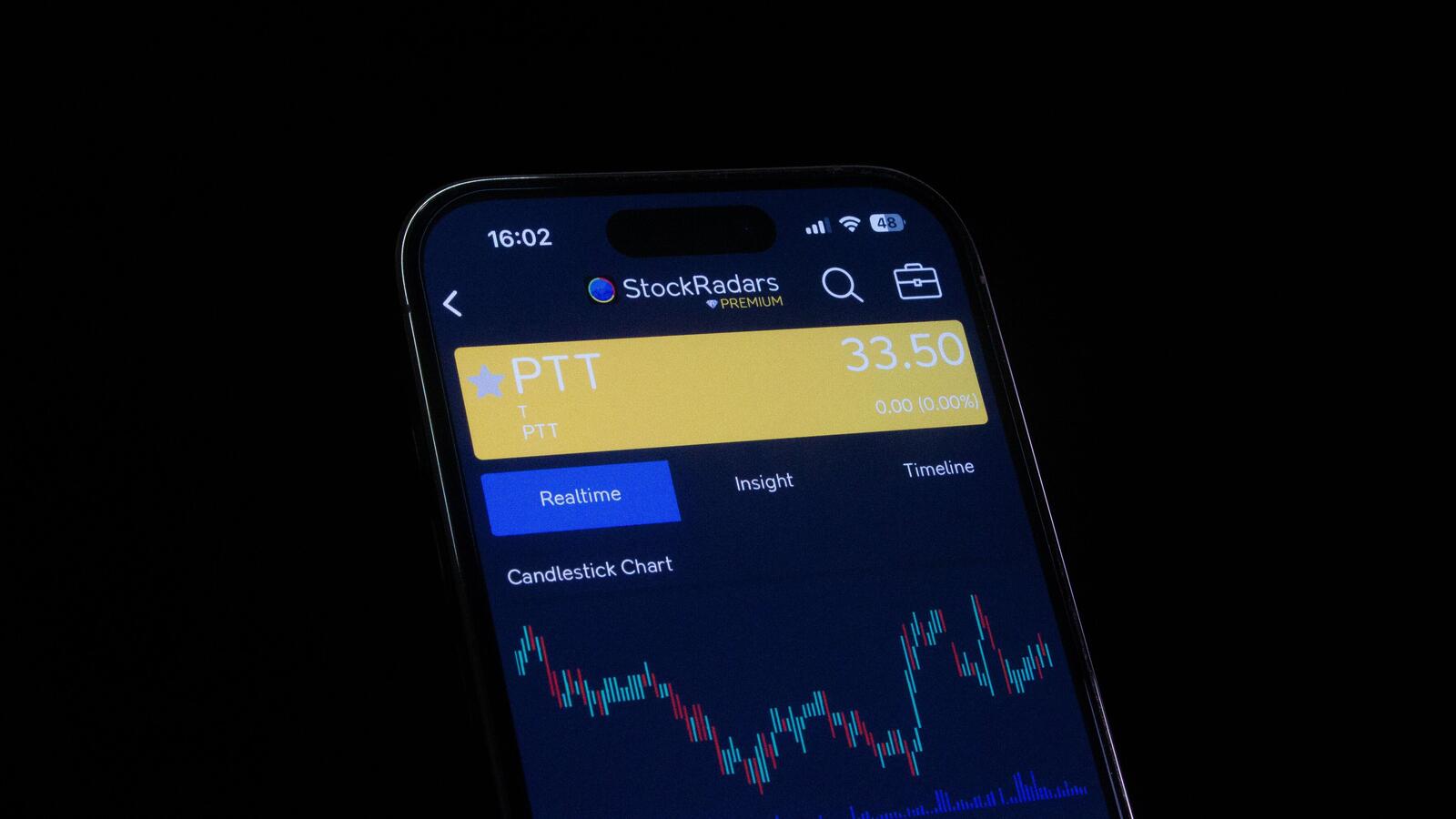
A fresh wave of trading apps has figured out the ultimate growth hack: taking the fear of losing money out of speculation.
Platforms offering paper trading or risk-free prediction markets let users bet on market swings using virtual cash, and they’re pulling in hundreds of thousands of sign-ups.
Perpetuals’ UpsideOnly platform is one example. The company claims it has surpassed 600,000 registered users across 172 countries since launching in May, racking up more than 3.8 million simulated trades along the way.
But those stats come from the company through paid PR and not an independent audit, so treat them as a marketing milestone, not gospel. Even so, the trend is hard to ignore.
It leaves us with a tricky question: does letting people play the markets without risking a penny actually teach them how to invest, or does it just train them to treat high-stakes gambling like a video game?
How These Risk-Free Platforms Actually Work
Most of these platforms run on roughly the same engine. Users predict market swings using play-money, and if their hunches prove useful, they get a slice of the hard-cash profits generated by the parent company.
UpsideOnly uses this exact model: it takes user predictions, feeds them into an internal AI, puts cash on the line based on those guesses and shares half the gains.
That dynamic is worth diving into, regardless of which app is running the show. While the marketing leans heavily into words like “education” and “community participation,” the reality is that users are powering a commercial investment machine behind the scenes. Those two angles don’t always point to the same conclusion.
The company defines ‘risk-free’ narrowly too: protection from trading losses specifically, nothing else.
The Fine Line Between Learning And Losing
There’s a difference between learning tools and psychological hooks, no matter how hard marketing teams try to blur the lines.
Simulated portfolios, post-match breakdowns showing why a prediction worked and quizzes on diversification can genuinely help people learn. But leaderboards, daily streaks, persistent push notifications luring you back in and near-miss alerts that make a bad guess feel like a near-win? That’s a different situation, and those are the types of features setting off alarms in regulatory offices.
The FCA in the UK put more than 9,000 consumers through an experiment and found that simple digital prompts like prize draws and notifications drove up both trading frequency and risk appetite. Their verdict is clear: trading apps need to help people make smart decisions, not keep them hooked.
Meanwhile, Europe’s ESMA has stepped up warnings that these casino-style design tricks push everyday investors into high-wire speculation without a proper safety net.
More from Tech
- The Tech F1 Teams Use To Prepare For Unfamiliar Tracks
- Beauty Tech Explained: The Cosmetic Treatments Changing Aesthetic Medicine
- Could An App Help Families Manage Allergies More Confidently? ACE Launches Allergy Assist
- Wi-Fi 8 Is Arriving – What Does It Actually Change For Your Home?
- The Unexpected Role Of Consumer Tech In Space Engineering
- How To Optimise Your VoIP System For Better Performance
- Beneath Our Skin: How Technology Reveals What We Can’t See
- Could Robotics Make It Easier To Inspect Hard-To-Reach Infrastructure?
So Is Risk-Free Actually Risk-Free?
Yes, losing actual cash is off the table when you are trading with play-money. However, everything downstream of the trade remains entirely real.
Overconfidence built on simulated wins, wasted time and confusion over whether you’re investing or just playing a game are all costs that never show up on a bank statement, regardless of the platform.
Beneath the surface lies a complex regulatory debate that the industry has yet to resolve. Multiple platforms in this space, including UpsideOnly, operate alongside separately regulated entities within the same corporate group, gesturing toward regulations like MiFID II or MiCA.
A regulated sibling product doesn’t automatically grant legal clarity to the consumer-facing app sitting beside it, creating a regulatory gap where gaming, sweepstakes and securities laws awkwardly compete for jurisdiction.
The Habit Being Built Here Isn’t Necessarily Investing
User growth is an impressive number for any platform in this category to point to, but it answers the wrong question.
Hundreds of thousands of registered users prove adoption, not financial literacy. The proof that would actually settle this debate looks very different: whether people truly grasp volatility after using the app, whether their trading becomes more measured rather than more frequent and whether any of those good habits hold up once the points, streaks and leaderboards disappear and real money enters the picture.
Simulated trading has long offered a safe way to practise without putting capital on the line, and that advantage isn’t going away. The issue isn’t the existence of these platforms. Instead, it’s whether a steady diet of leaderboards and prediction rewards cultivates a completely different skill, one that feels like sound investing until real money is actually at stake.


