


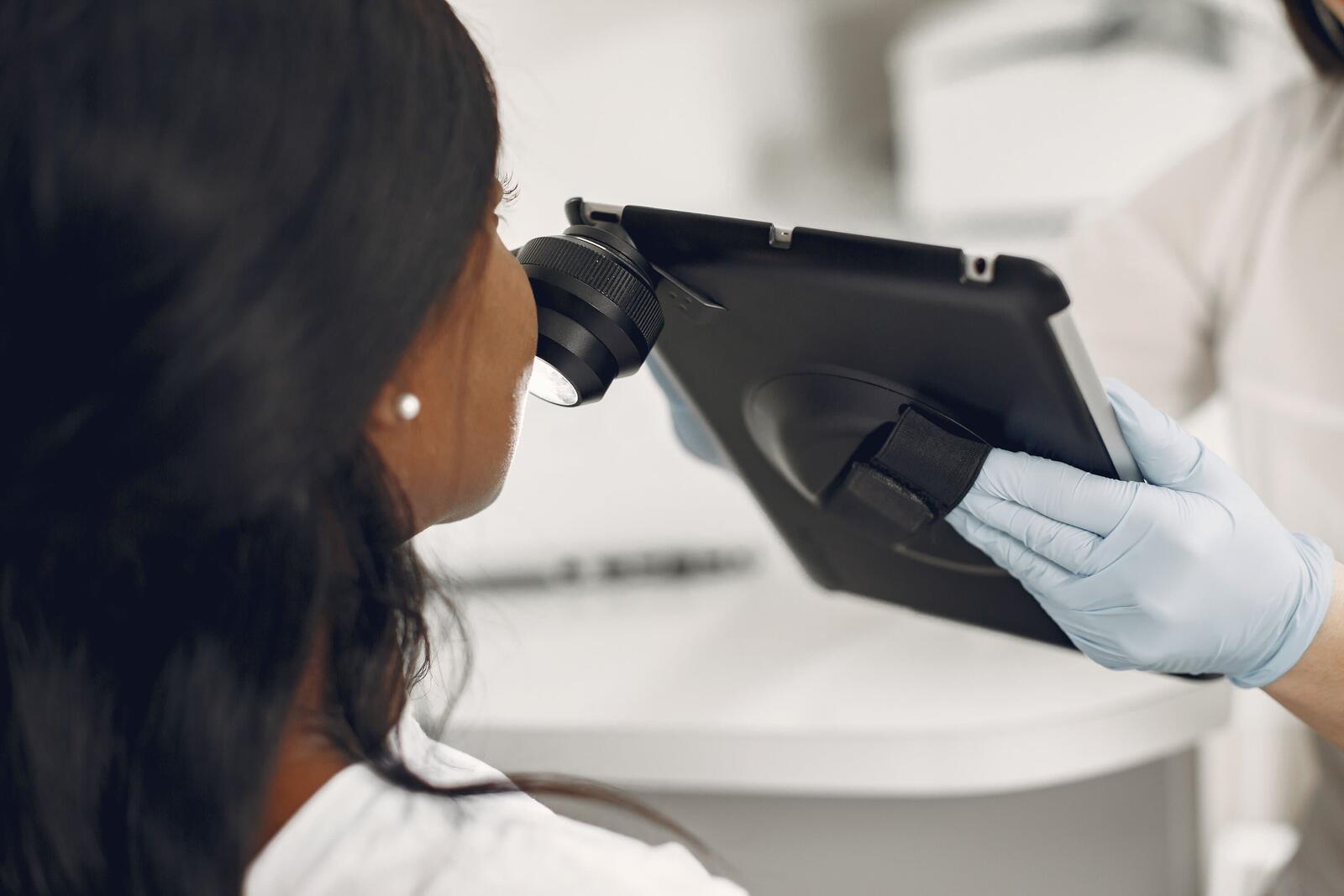
Skin is the one part of the body we can inspect whenever we feel like it, yet it tells us very little about what is happening underneath. We can see a mole, a wrinkle or a patch of redness; but the layers beneath the surface, blood vessels and all the chemistry going on down there are completely out of our sight.
Technology can fill in some of those gaps using sound, light, different wavelengths, cameras and sensors. Some of these technologies create images while others just collect measurements, giving us information that our eyes would never pick up.
3D Imaging: Giving Skin A Digital Memory
3D imaging is the odd one out here because it doesn’t actually see underneath the skin’ instead, it builds a detailed digital version of what’s on the surface of our skin.
Whole-body systems use multiple cameras to photograph the body from different angles, with software combining those images into a 3D model. VECTRA systems, for example, have used multiple cameras to capture the body at the same time. Research found on PubMed has also looked at how these models can record the position and appearance of skin lesions so they can be compared later.
Basically, your skin gets a photographic memory which is much better than trying to remember whether that mole has always looked like that.
More from Tech
- One Crash, Millions At Stake: The Technology Behind F1’s Costliest Mistakes
- How Can Antivirus Software Guard Against Identity Theft?
- 8 Everyday Tech Inventions Originally Designed For Disabled People
- What Is Multisensory Learning, And How Is Edtech Using It?
- Flying Cars Are Now A Reality, But Is There Really A Market For Them?
- Women In Tech: Top 10 Women In Quantum Computing In 2026
- Self-Reliance By Design: The Best Health Tech Makes You Need It Less
- Volvo Wants To Take Your Hands Off The Wheel By 2030 – What Is Level 2++?
Ultrasound: Using Sound To Look Under The Skin
A probe sends high-frequency sound waves into the skin, which travel through the tissue and bounce back when they meet different structures. The ultrasound system picks up these returning echoes and uses them to build an image of what is sitting beneath the surface.
Skin ultrasound uses much higher frequencies than the ultrasound used to examine larger and deeper structures in the body. More research on PubMed shows that frequencies around 20 MHz and above are commonly used, with some systems reaching 100 MHz. The higher the frequency, the more detail the ultrasound can capture, but the less deeply those sound waves can travel. That works well for skin, since the structures being examined are small and sit relatively close to the surface.
Ultrasound can show different skin layers, measure tissue thickness and provide information about structures underneath the surface, including the depth of some lesions. It’s less about getting one giant picture of everything and more about zooming in on a specific area.
Multispectral Imaging: Seeing More From Light
Our eyes can only see part of the electromagnetic spectrum, which means there’s plenty of information in light that we simply can’t see.
Multispectral imaging captures several selected wavelengths of light and looks at how they interact with the skin. Different substances in the skin absorb and reflect different wavelengths, including melanin and haemoglobin.
That means a multispectral camera can pick up differences that would be difficult to spot in an ordinary colour photograph. DermNet notes that analysing different wavelengths of light can provide measurements of things such as melanin and haemoglobin in the skin.
It isn’t necessarily looking deeper into the skin; it’s getting more information from the light coming off of the skin. A normal photograph might show that an area looks red, while a multispectral system can look across several wavelengths and give you measurements about what is happening there.
OCT: Using Light To See Inside The Skin
Optical coherence tomography, or OCT, also uses light, but it can produce cross-sectional images of tissue.
Light is directed towards the skin and the returning light is compared with a reference beam. The system can then work out where the reflected or scattered signals came from, building an image of structures at different depths. DermNet describes OCT as a non-invasive technique that uses low-power infrared light to image up to around 2mm beneath the skin’s surface.
It can distinguish the epidermis from the upper dermis and show structures such as blood vessels, hair follicles and sweat glands. It generally doesn’t reach as deeply as ultrasound, but it can show very fine detail in the area it does image.
So if ultrasound is helping us look further beneath the surface, OCT is more like getting a really detailed look at those upper layers.
Sensors: When There Isn’t An Image At All
Wearable sensors can measure things such as temperature, pressure and movement, while biochemical sensors can analyse substances found in sweat. Research has explored flexible sweat sensors that can detect electrolytes, metabolites and other molecules from the skin.
This means technology can collect information repeatedly rather than giving us one snapshot. A sensor can keep taking measurements while someone goes about their day, building up a bunch of data rather than relying on one scan.
However, finding something in sweat doesn’t automatically tell us exactly what is happening elsewhere in the body, and researchers are still working out how useful and reliable different sweat measurements can be.
More Than Meets The Mirror
We’re pretty good at judging skin by what we can see. Is it clear? Is it red? Has that spot always been there? But a mirror can only tell us so much, no matter how aggressively we lean towards it.
Technology luckily can pick up details that our eyes simply aren’t equipped to notice, giving us a much closer look at what’s happening beneath the surface.
So while the bathroom mirror will probably remain the final judge of whether our skin is having a good day or not, it’s no longer the only way to get a good look at what’s really going on.


