


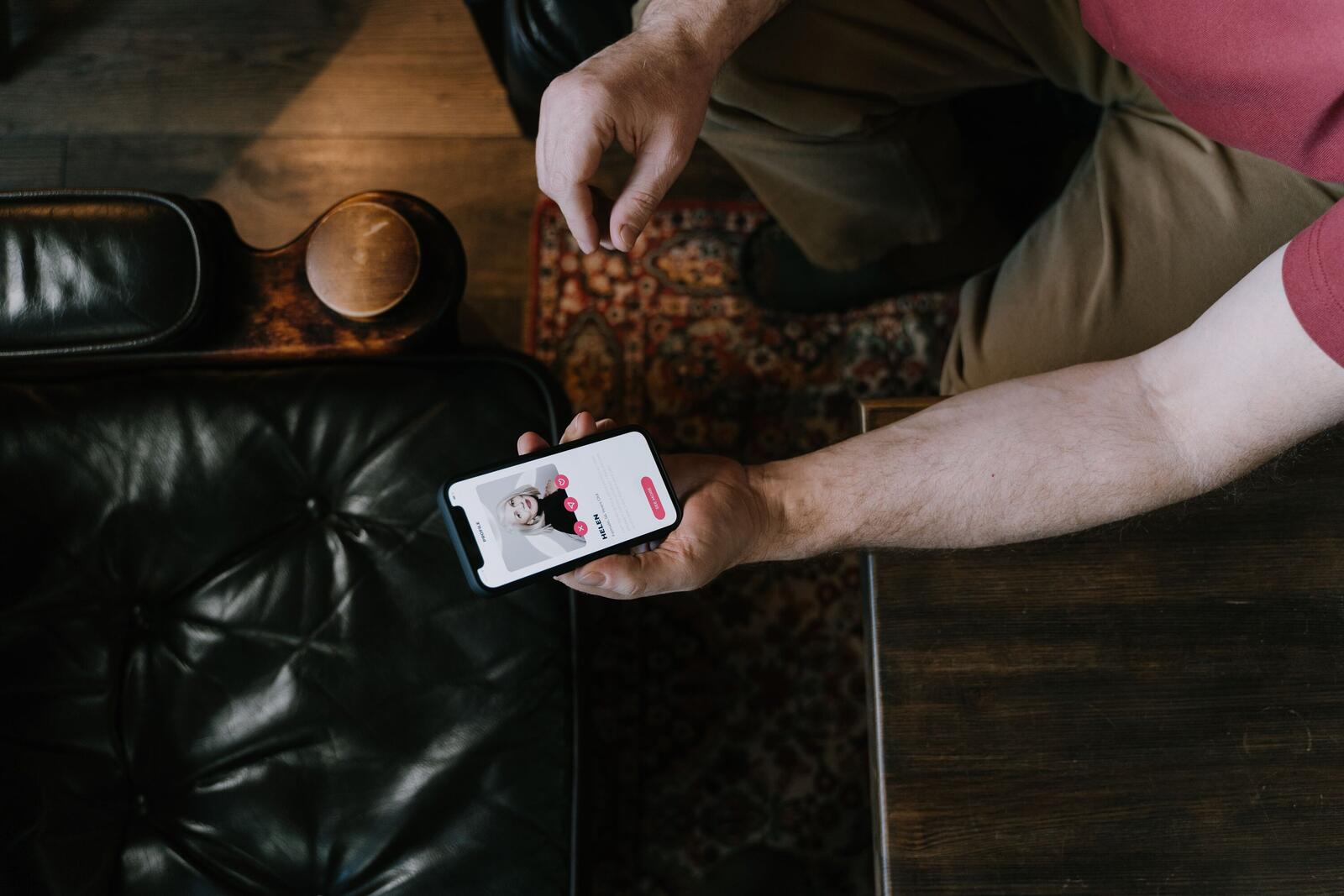
Dating apps were meant to be the shortcut: no more hoping to catch someone’s eye across a crowded room, just a thumb to scroll and a reasonably flattering photo. Bumble, the app that built its reputation on women making the first move, is losing paying users and has agreed to a $1.3 billion takeover by Ithaca Holdings. Its fortunes have changed quite a bit since its 2021 stock market debut, when it was valued at around $14 billion.
For a generation raised on swiping, matching and messaging, finding someone can involve an awful lot of effort before an actual date happens. How many people fancy spending another evening keeping half-dead conversations alive and wondering why nobody has suggested a drink?
Bumble Is Having a Rough Patch, But It Isn’t the Whole Market
Bumble’s second-quarter 2026 results show that its decline is continuing. Paying users across Bumble and Badoo fell 16.4% year on year to 3.2 million, while revenue dropped 15.2% to $210.5 million. In 2025, annual revenue fell 9.9% to $965.7 million, with paying users declining 11.5% to 3.7 million.
These figures cover both platforms and users of different ages, so they can’t tell us whether young people are abandoning dating apps. They do show that Bumble is struggling to retain paying users, making its proposed takeover a significant moment for a company that’s trying to turn its performance around.
Dating Has Become a Part-Time Job With No Pay
Anyone who’s used an app will know the routine: you swipe for an hour and end up no closer to meeting an actual person, then a match opens with “hey”, you reply with something thoughtful and the conversation quietly dies around the third message. The talking stage can stretch on for weeks without anyone suggesting a date, which is a lot of effort for what is basically a pen pal.
Keeping several chats going means explaining your job, hometown and opinion on pineapple on pizza from scratch. Then there’s the temptation to keep swiping, just in case somebody better turns up. Why commit to a conversation when another hundred profiles are waiting?
A match isn’t a date, and a week of messages doesn’t mean anyone’s getting closer to one. Scrolling can become the activity rather than the means to an end.
More from Business
- Scraped By Default: What Does Meta’s Policy Change Mean For Business Websites From 30 October?
- Say Yes To The Dress But No To The Dragon: Why Dragons’ Den Entrepreneurs May Do Better Without The Deal
- YouTube Wants A Piece Of The Audiobook Market – Should Audible And Spotify Be Worried?
- The Businesses Opening Doors For Women In Sport
- Who Needs Cash When You’ve Got Loyalty? The Rise Of A New Type Of Currency
- What Is The Netherlands Doing To Attract More Businesses?
- Are Hotels Treading A Fine Line Between Smart AI Marketing And Losing The Human Touch?
- The UK’s Scale-Up Problem Starts Earlier Than We Think
Young People Haven’t Given Up on Love, Just on the Admin
Pew Research Center found that US adults aged 18 to 29 were almost evenly divided on whether online dating made finding a partner easier or harder: 35% said it made the search easier, while 33% said it made it harder. The survey was conducted in July 2022, so it doesn’t capture young people’s attitudes today, but it shows that online dating hasn’t always made finding a partner feel simpler.
Some people are burned out, some still enjoy the apps and others prefer meeting people through friends, university, work or hobbies, where they can get a sense of someone before deciding whether they fancy them.
Can An Algorithm Find Real Chemistry?
Two people can share the same interests and still find they have little in common in person. Equally, someone who doesn’t fit your usual preferences on paper might turn out to be a good match. Profiles can help people identify potential partners, but they can’t fully capture the compatibility that develops through face-to-face conversation.
Bumble has introduced AI-suggested profile guidance to help users improve their bios and prompts, and has tested a Suggest a Date feature in Canada to encourage people to move from messaging to making plans. These features target some of the frustrations users face, but it’s too early to know whether they’ll help reverse the company’s decline in paying users.
Ghosting, Scammers and the Emotional Scoreboard
Pew Research Center’s survey also found that 54% of women who’d used dating platforms in the previous year felt overwhelmed by the number of messages they received, compared with 25% of men. Meanwhile, 64% of men said they’d felt insecure because of a lack of messages, compared with around four in ten women.
It’s quite an odd balance: too much unwanted attention for some and too little interest for others. Add ghosting, unsolicited messages and the risk of encountering misleading profiles or scammers; could make the experience can become frustrating rather than exciting.
When likes and replies start affecting how people feel about themselves, it’s clear to see why some choose to take a break.
Where People Are Meeting Instead
Singles events, speed dating and social groups built around hobbies offer ways to meet potential partners without relying on an app. Run clubs, padel sessions and book clubs also give people a chance to get to know each other through a shared activity, rather than making an initial judgement from a profile.
These options aren’t necessarily replacing dating apps, and there’s no clear evidence that they are. But they offer a different starting point: people can build a connection in person before deciding whether there’s romantic potential.
Can Bumble Win Users Back?
Bumble’s second-quarter results also reveal a contrast between its shrinking user base and the revenue it generates from those who remain. Average revenue per paying user rose 1.2% to $21.96, despite the 16.4% fall in total paying users.
That increase hasn’t been enough to offset the overall revenue decline. Bumble’s proposed $1.3 billion takeover by Ithaca Holdings comes as it tries to improve the platform and attract users back.
Nobody Is Boycotting Love, They’re Just Tired of the Inbox
Bumble’s decline doesn’t prove that dating apps are finished or that young people have stopped wanting relationships. Its results show that fewer people are paying for its services, while Pew’s research suggests younger adults have mixed experiences with online dating.
People still want to meet potential partners, but there are different ways to go about it. Dating apps may have made finding people easier, but that doesn’t mean they’ve made dating itself any less complicated.
Until then, there’s always still the run club


