


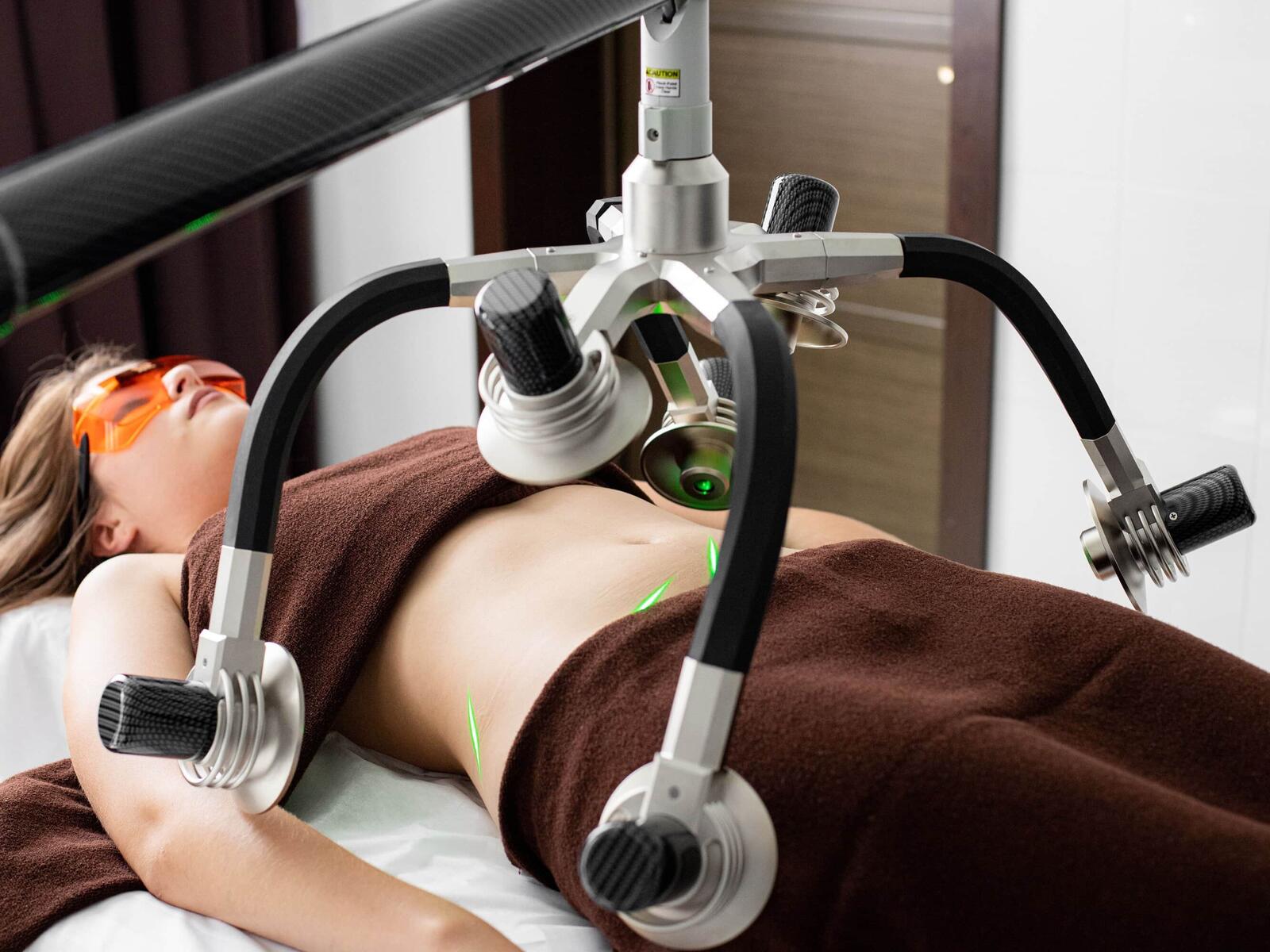
TikTok made me do it. Well, technically TikTok made me Google it, after one too many videos of people lying under glowing masks or having their faces and bodies treated with machines that look nothing like anything you’d normally associate with a beauty appointment.
It turns out beauty has apparently moved past using only creams and facials, and a lot of what’s on offer now comes down to some insanely cool technology using cold, heat, light, sound and tiny needles to change how skin and body areas look.
The Technology Behind Modern Cosmetic Treatments
Most of these treatments work by delivering a controlled dose of energy or physical stimulation to a specific layer of the body. Cold can be used to target fat cells, radiofrequency energy can heat tissue beneath the skin, light can be delivered at specific wavelengths and ultrasound can send sound energy deeper into the body. Microneedling works differently, using tiny needles to create controlled punctures in the skin.
The devices are designed around where that effect needs to take place, with some working mainly on the surface of the skin while others are built to reach the tissue or fat underneath it.
More from Tech
- Could An App Help Families Manage Allergies More Confidently? ACE Launches Allergy Assist
- Wi-Fi 8 Is Arriving – What Does It Actually Change For Your Home?
- The Unexpected Role Of Consumer Tech In Space Engineering
- How To Optimise Your VoIP System For Better Performance
- Beneath Our Skin: How Technology Reveals What We Can’t See
- Could Robotics Make It Easier To Inspect Hard-To-Reach Infrastructure?
- Is Neural Technology The Next Trillion-Dollar Market For Tech Billionaires?
- What Tech Infrastructure Does A New F1 Track Need To Join The Calendar?
1. Cryolipolysis: Freezing Fat Cells
Cryolipolysis is the technical name for fat freezing, and it’s built around the fact that fat cells are particularly sensitive to cold; turns out they cope even worse than I do on a night out in Winter.
During treatment, an applicator uses controlled cooling on a pinchable area of fat. The company behind the CoolSculpting system explains that this cooling causes targeted fat cells to crystallise and break down, after which the body gradually removes them.
CoolSculpting is a commercial cryolipolysis system which is designed for body contouring rather than weight loss, meaning it’s intended to target specific areas of fat rather than reduce overall body weight.
2. Radiofrequency: Using Heat to Treat Skin
Radiofrequency uses electrical energy to create heat, and cosmetic devices can use that energy to warm tissue beneath the skin. Depending on the device and its intended use, RF can be used for concerns including wrinkles, skin laxity and the appearance of cellulite.
Thermage is an example of a radiofrequency treatment, with the company behind the system explaining that it delivers RF energy to the skin while using cooling and vibration during treatment. The heat is intended to support the body’s natural collagen remodelling process, with changes developing over the months following treatment.
3. LED Light Therapy: Using Light on the Skin
LED light therapy uses specific wavelengths of red or near-infrared light, which are delivered to the skin without needles or the heating and cooling used by some other cosmetic devices. It’s also one of the treatments that has made its way from dermatology clinics into people’s bathrooms, thanks to the popularity of LED masks and other at-home devices.
The American Academy of Dermatology describes red-light therapy, also known as photobiomodulation, as a non-invasive treatment used for concerns including signs of ageing, acne and hair loss. Some studies have also found improvements in areas such as fine lines, wrinkles, redness and skin texture, although results do vary and researchers are still working out the most effective treatment schedules and doses.
4. Ultrasound: Using Sound Waves Beneath the Skin
Ultrasound is what most of us associate with baby scans, so it’s a little strange to find the same technology being used in aesthetic treatments. It works with sound waves at frequencies higher than humans can hear, with the energy delivered through an applicator placed against the skin.
In cosmetic treatments, ultrasound can be focused on particular areas beneath the skin rather than simply passing energy across the surface. Ultherapy, for example, uses microfocused ultrasound alongside real-time imaging, which allows practitioners to visualise tissue layers before delivering energy at selected depths.
At those points, the concentrated ultrasound creates heat that triggers changes in the targeted tissue and starts a wound-healing response associated with collagen production and remodelling.
5. Microneedling: Creating Controlled Skin Injuries
Anyone who has flinched at a flu jab (me) might want to sit out for this one, because microneedling uses a device packed with lots of small, thin needles that repeatedly enter the skin.
The American Academy of Dermatology describes microneedling as a minimally invasive treatment in which tiny needles puncture the skin. Those controlled injuries trigger the body’s healing process, which stimulates collagen production and can improve the appearance of concerns such as acne scars, uneven texture, stretch marks and wrinkles.
6. RF Microneedling: Combining Needles and Heat
RF microneedling combines the two technologies in its name, with small needles penetrating the skin while electrodes deliver radiofrequency energy into and beneath it. This allows the device to create controlled punctures while producing localised heating at the treatment depth.
The needles therefore aren’t only creating tiny injuries in the skin; they also provide a route for RF energy to reach specific layers of tissue, combining mechanical stimulation with heat in the same treatment.
There’s still important safety considerations around the procedure, with the FDA issuing a safety communication in October 2025 after receiving reports of serious complications associated with certain uses of RF microneedling devices, including burns, scarring, fat loss, disfigurement and nerve damage. They recommend using a licensed healthcare provider with proper training and experience, and say these devices should not be used at home (duh, wouldn’t trust myself anyways).
Beauty Has Entered Its Tech Era
We’ve gone from putting creams on our faces to freezing fat, firing ultrasound beneath the skin and sticking tiny needles into it, so the beauty industry has obviously decided that skincare can be a little more high-tech.
Whether it’s a red-light mask on your bathroom shelf or a machine being used in a clinic, technology is no longer just part of the beauty treatment — it’s becoming the treatment itself.


