


Anyone who has run a kettle, a toaster and a hairdryer off the same extension lead knows how it ends: the whole flat goes dark and somebody is hunting for the fuse box with a phone torch. The world is about to attempt a much bigger version of that experiment, with cars, factories, heating systems and data centres all asking for a socket at once.
Under COP31’s 35-by-35 pledge, electricity’s share of global final energy consumption needs to rise from around 23% today to 35% by 2035. Plugging things in is the quick part; producing electricity that’s affordable, reliable and clean enough to keep everything running, then getting it to the right place, takes a lot longer.
Cars, Boilers And Blast Furnaces Need New Plugs
Cars get most of the headlines, with petrol and diesel models being swapped for electric ones, along with buses and delivery vans. But that only works if people have somewhere to charge them. Anyone without a driveway is relying on a public charger being close, working and free of someone who’s gone for a three-hour lunch.
Buildings and factories have their own lists; gas boilers can be replaced with heat pumps and gas hobs with induction ones, while industry is turning to electric boilers, industrial heat pumps and electric arc furnaces for steelmaking. According to the International Energy Agency (IEA), around half of residential fuel consumption could be electrified cost-effectively, alongside almost 40% of fossil-fuel-based low- and medium-temperature industrial heat.
Transport is the furthest behind, with electricity covering only around 2% of its energy use today. Electric cars are familiar engineering, but replacing the intense heat some industries rely on means redesigning machinery that has run on gas or coal for decades. It’s a much bigger job than changing what’s on the driveway.
More from Tech
- Is F1 Going Backwards To Move Forwards? The Technology Behind Its Proposed V8 Return
- Your Next Building Could Store Electricity In Its Concrete
- How Technology Is Making Used Car Buying Safer
- What Is TLS Fingerprinting?
- Could Virtual Shopping Rooms Replace The Traditional Black Friday Rush?
- Top Creative And Immersive Tech Startups In India To Watch In 2027
- Women In Tech: Top 6 Women In E-Commerce In 2026
- Your Next Screen Could Be A Contact Lens – Are Smart Lenses the Future of Wearable Tech?
Electric Doesn’t Automatically Mean Clean
An electric car charged on a coal-heavy grid still relies on coal-fired electricity. Electric motors are more energy-efficient than petrol engines, so switching can reduce energy use, but the emissions savings also depend on how the electricity is generated. Some of the pollution has simply moved from millions of exhausts and boilers to power stations.
Solar and wind offer cleaner alternatives, but they follow the weather and the clock rather than people’s routines. Batteries and other storage can hold surplus electricity when generation is high and release it when demand rises, helping keep supply available when the sun isn’t shining or the wind isn’t blowing. The COP31 pledge therefore includes storage, grid flexibility and modern electricity networks alongside its electrification target, while leaving countries to determine their own energy pathways.
The Grid Wasn’t Built For Everyone Charging At Six O’Clock
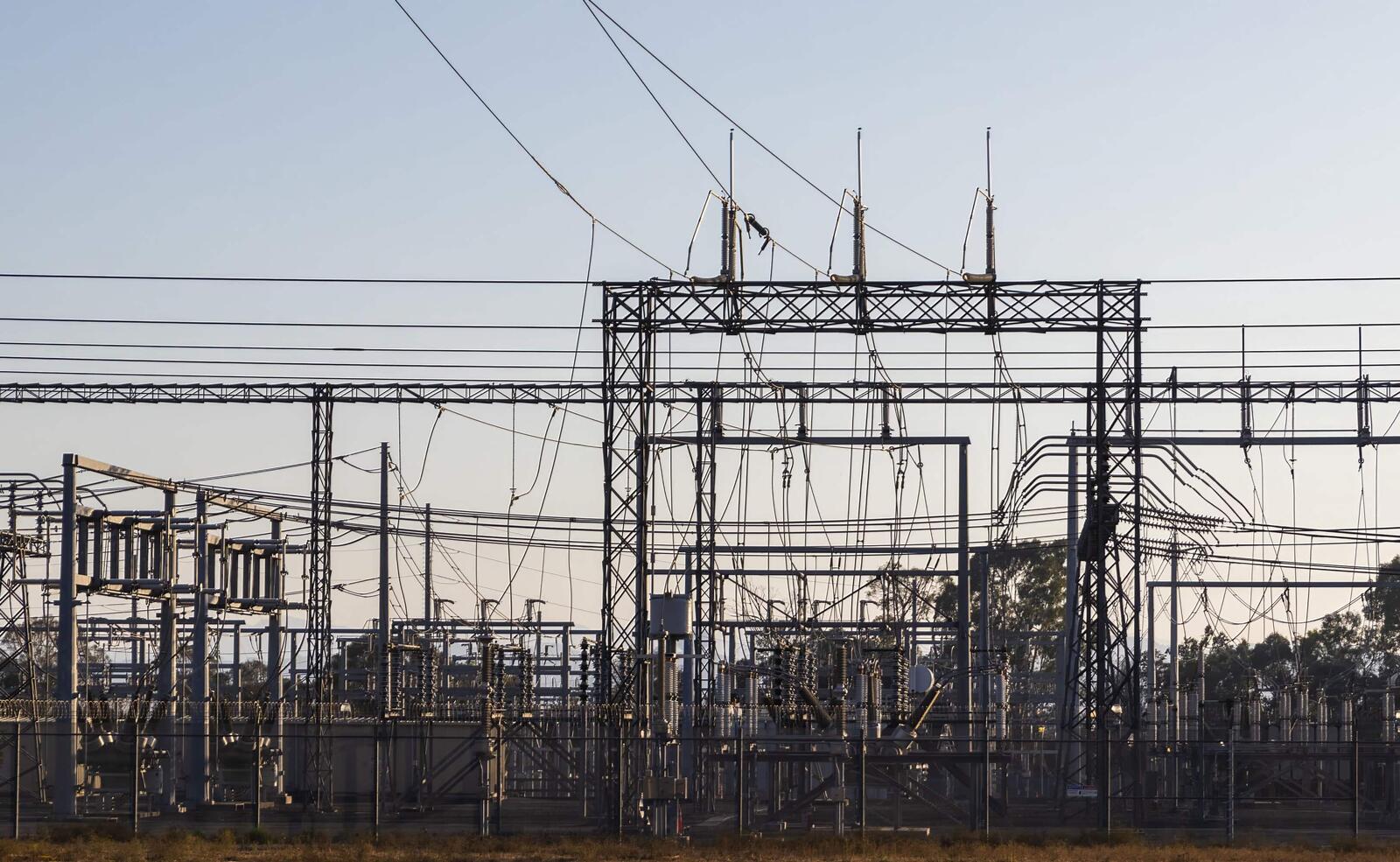
Clean electricity doesn’t help much until it reaches the people using it. High-voltage transmission lines carry power from wind farms and solar parks to cities and factories, while local networks handle the last stretch into streets full of cars and heat pumps that all want power at once.
The IEA found that more than 2500 GW of renewable energy, storage and large electricity-consuming projects are waiting in grid connection queues worldwide. New grid infrastructure can take five to 15 years to plan, permit and complete, while projects such as solar farms and data centres can be built much faster. Key grid component prices have also nearly doubled over the past five years, adding another expense to an already lengthy process.
Data centres are adding to the pressure as AI and digital services increase electricity demand. Getting everyone into an electric car is one thing, but the cables under the street still have to cope when the whole row plugs in after work.
Somebody Has To Find The Money
Investment in electricity supply and infrastructure is expected to reach $1.6 trillion in 2026, rising to around $2 trillion when spending on end-use electrification is included.
That money won’t be spread evenly. The COP31 pledge calls for more accessible finance for grids and storage, including grants and concessional funding for least developed countries, small island developing states and other developing economies. Wealthier countries generally have greater financial capacity to fund upgrades, while some developing economies are still working to provide basic electricity access.
The Technology Is There, But Building It Takes Time
Much of the necessary technology already exists, although not every industrial process has an easy electric replacement. The IEA’s September 2026 report found that existing technologies could cost-effectively supply 33% of global final energy consumption with electricity by 2035, based on pre-supply-shock energy prices. That puts the 35% ambition within reach, but nowhere near guaranteed.
The obstacles are mostly practical as the IEA research identifies permitting as a major cause of delays for new transmission lines, while some specialised direct-current cables can take more than five years to arrive. There also need to be enough people available to build and maintain all this infrastructure, with the IEA estimating that the global electricity grid workforce needs to grow by 1.5 million people by 2030 under current policies.
Politics adds another complication. A country heavily reliant on coal can’t move at the same pace as one with plenty of wind and solar already on its grid, and a global pledge still needs to translate into national policies, budgets and planning approvals.
Wires, Money And Planning Permission Decide The Outcome
Reaching 35% takes changes at both ends of the cable, from the things that use electricity to the power stations, wires and batteries that supply it. Cleaner generation has to rise alongside demand, otherwise electrification risks shifting emissions elsewhere rather than cutting them.
The pledge is voluntary, so by 2035 the number that counts won’t be how many countries signed it; it’ll be whether electricity has become a practical, affordable and cleaner choice for more of the world.


